

From pork additives banned in 160 countries to food dyes restricted across Europe, global safety standards often diverge sharply from what Americans consume daily.
Some items on American grocery shelves are technically illegal in other countries. Over 160 nations, for example, prohibit the meat additive ractopamine, yet America continues to allow it in some products. Similarly, Brominated Vegetable Oil (BVO) was banned in the EU as early as 2008. Still, it was not prohibited by the FDA until 2024.
Even now, additives such as Potassium Bromate are lawful in U.S. bread despite cancer concerns abroad. Such variations illustrate how food safety laws vary significantly around the world. Here are 11 foods and ingredients that are forbidden overseas but Americans still eat.
Ractopamine Pork (European Union, China, Russia)
The ractopamine enhancer is approved for addition to hogs, cows, and turkeys in the U.S. at specific residue levels. Yet over 160 countries—EU nations, China, and Russia—have banned or heavily restricted its use, citing cardiovascular and behavioral risks. In 2024, China rejected beef from an American plant after detecting ractopamine residues.
So, sure, you may see U.S. pork at the grocery store, but parts of the world wouldn’t accept it. That difference may be significant if you’re choosing meat based on international safety.
Farm‐Raised Salmon (Australia, New Zealand)
Some countries, including Australia and New Zealand, restrict certain feed practices for farm-raised salmon, particularly the overuse of synthetic colorings and antibiotics. The concern: accumulations of residues and potential environmental impacts.
According to ResearchGate reports, U.S.-exported or imported farmed salmon can use feed strategies that differ significantly from those used in other countries with tighter regulations. While it is not prohibited everywhere, the product is highly regulated. To American consumers, it means your packaged salmon may come from systems that would be short of some international requirements. Where high-end price meets tighter controls abroad, what exactly is in mine?
Artificial Food Dyes (Red 40, Yellow 5)
In the United States, the majority of processed foods contain artificial colorants such as Red 40 and Yellow 5. In other countries, however, some European countries prohibit or limit them more heavily due to links with child hyperactivity and allergic reactions.
According to a compilation of information on prohibited additives, the dyes persist in U.S. products even though they are banned or tightly controlled elsewhere. Suppose you’ve got kids or sensitive eaters. In that case, this difference in how coloring additives are treated may be more than a semantic distinction.
Potassium Bromate Bread (EU, UK, Canada)
Potassium bromate is used in the U.S. in some bread and baked goods to strengthen dough and improve rise. It is banned in the European Union, the United Kingdom, Canada, and several other countries because it is classified as a possible carcinogen.
In the United States, the FDA requires that it be listed on ingredient panels, but it is legally acceptable. When you buy commercial white bread or rolls in the United States, the additive may still be there. For some consumers, it’s the tipping point: the same product may be made differently for U.S. versus non-U.S. markets.
Mountain Dew (Containing BVO)
In the United States, certain citrus-flavored soft drinks traditionally contained BVO as an emulsifier. The European Union banned BVO in 2008, and Japan banned it in 2010. The FDA took 7 years to withdraw the regulation that allowed BVO in U.S. foods and beverages, not until July 3, 2024. And complete enforcement won’t be until August of 2025.
That’s years of American consumers drinking drinks containing an additive that has been deemed unsafe elsewhere. Beverage companies like Gatorade and the parent companies of Mountain Dew pledged to reformulate, but not all were changed overnight. If you’re sipping on a citrus-flavored soda, label-reading might be more crucial than you think.
Chlorine-Washed Chicken (European Union)
Here in America, it’s not surprising that poultry processing uses procedures acceptable to the FDA and the United States Department of Agriculture (USDA), including antimicrobial washes.The European Union prohibits the import of poultry processed with chlorine washes due to animal welfare and chemical-residue concerns.
That is, chicken raised or processed for American consumption may utilize procedures banned under EU codes. For American consumers, processing standards are more diverse than you might believe.
Genetically Modified Produce (Many EU countries)
Many European Union countries have stricter limits or outright bans on certain genetically modified organisms (GMOs) in fresh fruit and vegetable products. American citizens enjoy a market where GMOs are common and accepted, while their overseas counterparts face more restrictions.
According to analyses of food‐system regulatory divergence, GM produce remains more tightly regulated in many countries outside the U.S. If you’re shopping for produce, the origin and labeling may indicate a very different approach than in Europe.
Arsenic-Laced Chicken Feed (European Union)
Historically, the U.S. allowed the use of arsenic‐based feed additives in poultry production (to promote growth and color). The European Union banned such arsenic‐laden compounds for use in animal feed years ago due to toxicity and human health risks. An additive ban analysis elsewhere outside the U.S. also lists arsenic‐laden feed as an issue.
Although today’s American practice is well over excessive arsenic use, the historical disparity remains—and for some producers, it continues to influence sourcing and processing policy.
Azodicarbonamide Bread Additive (EU, Australia)
Azodicarbonamide (ADA) is used as an additive in American dough. It has been banned in the European Union and Australia because it degrades into compounds that affect respiratory health and because it has been used in non-food manufacturing abroad (e.g., yoga mat production).
Save this article
While American bakeries are still allowed to place it on labels or use similar conditioners under different names, the fact that other countries shun it entirely is essential.
Olestra (Fat Substitute) (UK, Canada)
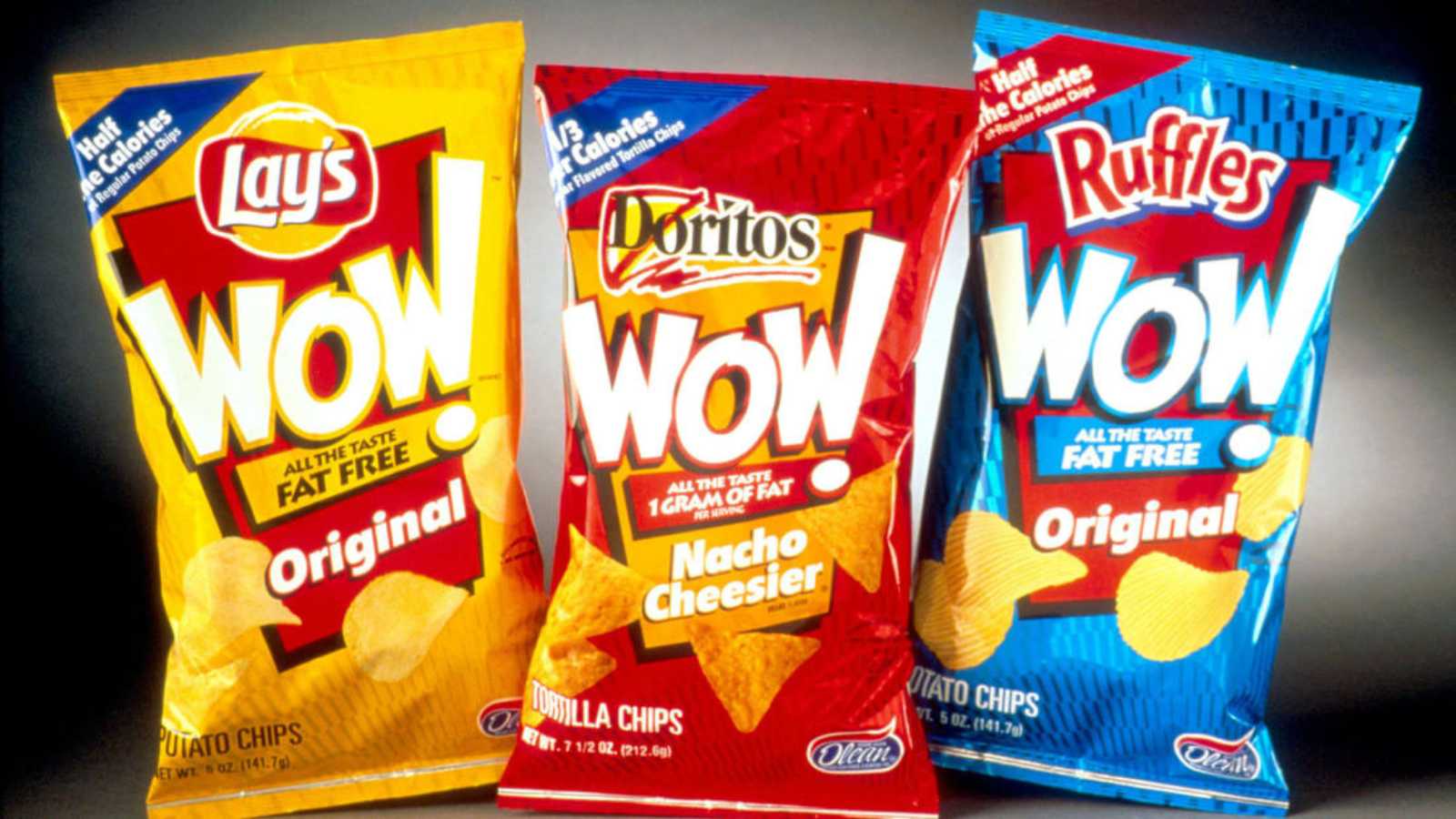
Olestra was a fat substitute once added to snack foods like chips in the United States. Olestra was banned or widely restricted in the U.K. and Canada because it caused digestive issues, and the risks outweighed the benefits in these nations.
American snack lovers may still remember names like “Wow! chips.” The history shows that store availability isn’t always indicative of global acceptance.
Gatorade (Some Formulas) (EU)
Gatorade sports drink has U.S.-formulated products that previously contained additives such as BVO or artificial colors, which are banned or restricted in the European Union.
Today, many U.S. formulas have been reformulated—but legacy and regulatory differences remain fascinating. Shoppers may expect globally uniform ingredients, but ingredient labels may differ slightly from country to country.
Key takeaway
Many generic foods and additives in U.S. grocery stores would be banned or limited elsewhere. From ractopamine used in pork feed additives to azodicarbonamide used in dough conditioners, and BVO used as an emulsifier in soft drinks, the reality is that the U.S. and global regulatory choices differ.
Simply because a food item is allowed in this nation does not imply that all other nations agree with its safety. For American consumers, label reading and understanding ingredient histories can give them more insight into what they’re eating. Paying attention to sourcing, processing, and additive practices can help you make better-informed decisions.
More articles:
- 10 antioxidant-rich foods that support immune defense
- Why yogurt and fruit may be one of the smartest snacks for long-term health & decreasing belly fat
- 12 reasons carrot juice should be part of your daily routine
Disclosure: This article was developed with the assistance of AI and was subsequently reviewed, revised, and approved by our editorial team.
Like our content? Follow us on Newsbreak.
Common spices linked to colon cancer prevention

In the quiet routine of seasoning a meal, you may be adding small, powerful defenses against one of the most common cancers.
Your spice rack might actually be hiding some powerful health benefits. It turns out that a handful of common pantry staples pack a serious punch against serious illnesses. Medical researchers are looking closely at how everyday seasonings can fight back against cellular damage in the digestive tract. Learn more.
12 ways extreme heat can change the way your body handles coffee

/Shutterstock
In places where the air no longer cools after sunset, even something as routine as coffee can feel like a different choice.
Your morning cup is still part of many people’s daily rhythm, but in hotter regions, extreme heat can change how the body responds to it. Across parts of the American Southwest, sustained high temperatures and longer heat waves have made hydration and heat stress more important factors in everyday habits. Learn more.
The key to better sleep and steady energy might come down to one mineral missing in your diet

Most people focus on getting more energy during the day and better sleep at night, but one key nutrient plays a role in both.
Magnesium supports muscle function, nerve signaling, and sleep regulation, yet many people don’t get enough of it through their daily diet. Health experts note that even mild deficiencies can affect rest, recovery, and overall well-being. Learn more.





