

Potlucks are one of the few social events where everyone arrives hoping their dish will be the first to disappear. Unfortunately, some foods seem destined to be the last containers sitting on the table when the party ends.
While taste plays a role, popularity at a potluck often comes down to other factors as well. Food safety concerns, difficult serving conditions, messy presentation, unusual ingredients, temperature issues, and travel mishaps can all make guests hesitant to fill their plates. Even perfectly edible dishes can struggle when they look unappetizing after an hour on a buffet table.
Potluck etiquette experts frequently note that foods requiring strict temperature control, complicated serving utensils, or adventurous flavor combinations tend to attract fewer takers than simple, familiar crowd-pleasers.
If you’ve ever wondered why some dishes disappear immediately while others barely get touched, these are the foods that often find themselves lingering at the end of the buffet line.
Dry, Overcooked Casseroles
Dry casseroles almost always end up abandoned on the potluck table. When left uncovered, they turn heavy, mushy, or even rubbery just as guests arrive. Texture and moisture are the top reasons for skipping a casserole, outranking flavor or cost.
Dishes that are clearly dry see less than half the average serving rate compared to moist or cheesy options. Guests scan pans for appetizing color and don’t risk disappointment on heavy slices. Moisture is a must for leftovers or buffet settings. Casseroles that look parched rarely inspire seconds or even first scoops.
Potato Salad That’s Been Sitting Out
Potato salad left out quickly becomes a food safety red flag. Mayo-based salads can grow bacteria after two hours at room temperature, according to USDA guidance. Many guests will avoid a potato salad they see has been sitting in the sun or on a side table uncovered.
Food safety experts warn against storing food outside refrigeration during the summer months. Potluck hosts commonly toss out significant portions of unchilled salads. Anxiety over food poisoning keeps people away from creamy side dishes. Better to keep salads on ice if you want them served at all.
Store-Bought Veggie Trays
Packaged veggie trays almost always end up barely touched at potlucks. People gravitate toward more flavorful or homemade dishes. Most guests will take only carrots and ignore most other vegetables in these trays. Often, the dense broccoli and cauliflower florets remain untouched.
Taste and texture complaints come up in post-event polls. Potlucks bring out picky eating habits, so bland raw options lose every time. Guests prize food they don’t see at every supermarket spread.
Jell-O Salads
Jell-O salads rarely attract attention from younger guests at communal meals. Odd textures and ingredients like marshmallows or canned fruit put off modern eaters. Many guests are unsure how or why to eat them, with confusion especially high among those under age 35.
Even a presentation with extra fruit, nuts, or decorative molds fails to sway new fans. Retro desserts just don’t compete with trendy sweets. “Jell-O” syndrome remains a potluck punchline.
Tuna or Egg Salad
Mayonnaise-heavy salads like tuna or egg salad have a reputation for going untouched. Strong odors and lumpy textures are major turnoffs. Sitting uncovered amplifies the problem, especially when people worry about foodborne illness.
Only a few guests will brave an old-school mayo dish. Potlucks almost always see these leftovers head straight to the trash. Even creative twists struggle to make them appealing after an hour or two on the buffet.
Blue Cheese or Pungent Cheese Platters
Strong cheeses generate strong reactions. Blue cheese, in particular, leaves whole corners of a buffet untouched. Powerful aromas spread fast, especially in warm rooms or packed tables.
Some guests avoid trying cheese for fear it will linger on their breath. Chefs and hosts recommend labeling boldly—but even then, leftovers often loom. Mild cheeses nearly always outpace blues in serving stats.
Unlabeled Crock-Pot Mystery Dishes
Buffet-goers hesitate to grab anything they can’t identify. Potluck experts warn that ambiguous slow-cooker entries lead to suspicion, not excitement. Fear of allergens or surprise flavors plays a role.
Tagging every dish is a best practice for potluck participation, but mystery stews still lurk on many tables. People don’t gamble with unknown food at social events. Clarity wins over curiosity nearly every time.
The Last-Minute Store Rotisserie Chicken

Rotisserie chicken still in store packaging signals a lack of effort. Many hosts see these as potluck “failures” rather than proper dishes.
Homemade food sends a message of care and participation. Potlucks reward creativity and homemade flavors, not quick supermarket fixes. Bringing a whole chicken often means half leaves untouched. Effort and originality matter for potluck success.
Save this article
Dry Cornbread or Biscuits
Bread that goes dry, crumbly, or stale rarely wins fans. Without butter, honey, or gravy, these items increase the risk of coughing mid-meal.
Warm, freshly baked, or well-wrapped bread stands out every time. Disappointment grows if a chunk requires a drink to wash it down. Potlucks reveal the truth in leftover stacks of stale bread. Savvy cooks keep their breads soft until serving.
Overly Dense Desserts
Cakes or brownies that are thick, dry, or heavy find little success at shared meals. People reach for lighter, moist sweets that don’t feel heavy after a meal.
Potlucks with dessert bars highlight this effect, as soft bars and cookies disappear first. Guests want a small, soft finish—not a brick of cake. Density is rarely a virtue in group dessert lineups.
Bean Dishes
Bean salads and three-bean casseroles have a mixed following. Digestive worries and bland flavors encourage people to pass. Potlucks often end with cold bean leftovers, no matter the recipe.
A smaller crowd appreciates these fiber-rich options compared to classic pasta or potato sides. If beans do appear, they’re often found mostly full at the end of the event.
Dishes with Hard-to-Eat Bones or Shells
Wings, ribs, or dishes with shells look messy and hard to eat gracefully. Potluck guests want convenience and prefer foods that are easy to handle on one plate.
Attendees dress well and avoid hazards that could stain or slow them down. Sticky sauces and napkins drive people toward other options. Hosts aiming for empty pans stick to boneless, toothpick-friendly dishes.
More articles:
- Common spices linked to colon cancer prevention
- Potato chips may be linked to higher colon cancer risk, here’s why
- 13 Superfoods for Digestive Health You Can’t Ignore
Disclosure: This article was developed with the assistance of AI and was subsequently reviewed, revised, and approved by our editorial team.
Like our content? Follow us on Newsbreak.
15 foods centenarians eat to live to 100
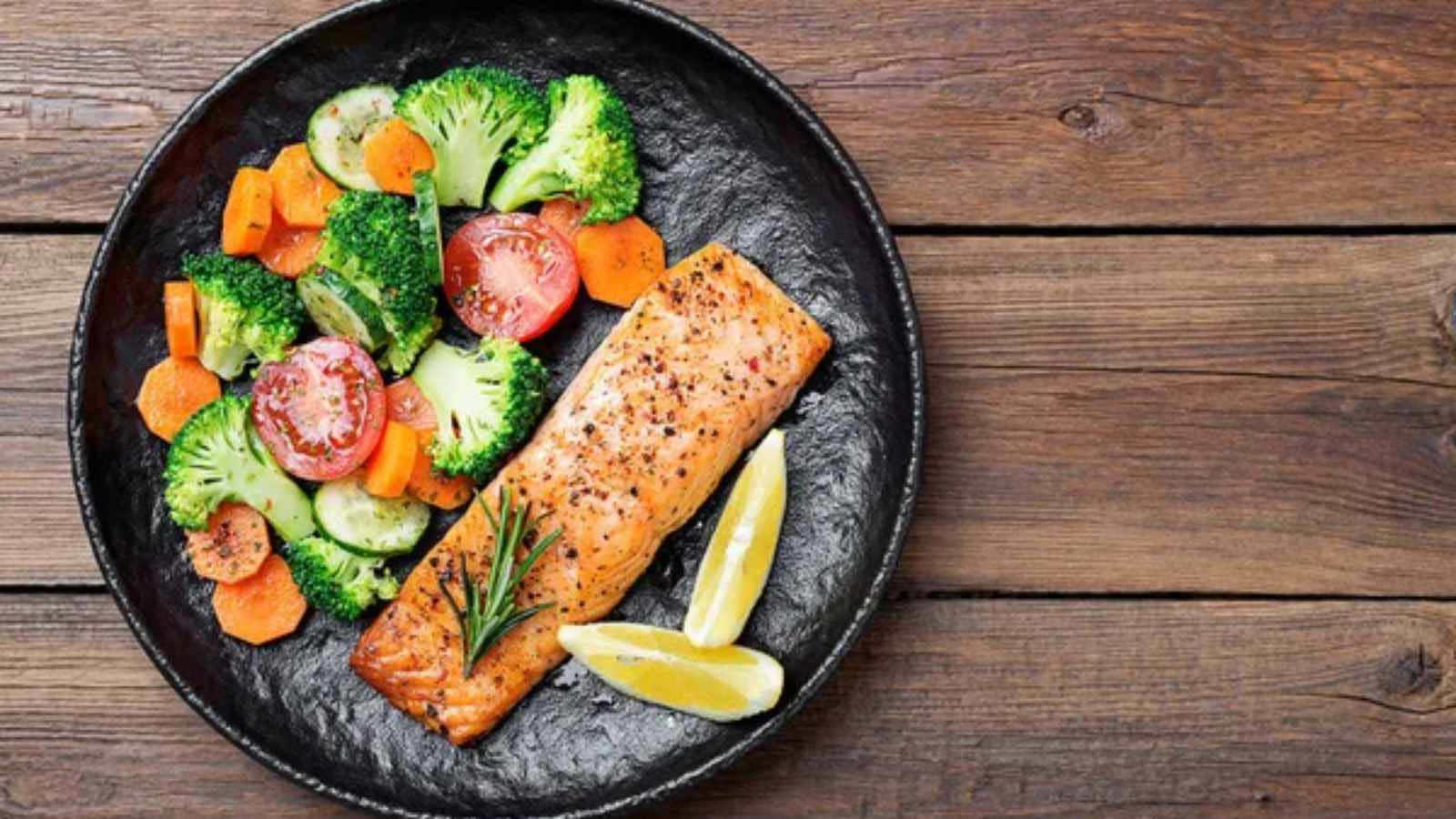
Living to 100 is less about rare genes and more about the everyday foods quietly shaping your health right now.
Reaching the age of 100 might seem like winning a genetic lottery to many people, but research suggests your grocery list plays a massive role. Those vibrant communities known as Blue Zones, where people frequently live past a century, rely heavily on what they put on their dinner plates. We have compiled a list of specific ingredients that act as fuel for a long, healthy life, without needing a magic potion. Learn more
10 foods with more blood pressure benefits than beets

Beets get all the credit for lowering blood pressure, but they’re far from the best option.
We have all heard the hype about beet juice being the miracle elixir for hypertension, and the science technically supports it. However, relying solely on beets is like patching a tire with duct tape because the effects are incredibly temporary and often vanish within a single day. While beets can offer a quick fix, they do not provide the sustainable, long-term support your cardiovascular system needs to stay stable. Learn more.
15 eating habits that can help improve hormone balance after 45

Hormones often feel like the wild card of midlife. In women past 45, hormone levels begin to fluctuate and can have an impact on things as varied as mood and metabolism. Do you know that the World Health Organization says most women experience menopause between the ages of 45 and 55 years?
This normal change reduces the amount of estrogen in your body and alters your physiology. It is estimated that approximately ¾ of women experience menopausal symptoms connected to the hormonal fluctuations that affect energy levels and weight. Learn more.





