For decades, backyard tools have been seen as harmless essentials, but that’s quickly changing. Across the U.S. and other parts of the world, governments are tightening regulations on common gardening and yard equipment due to noise pollution, environmental damage, and health risks.
In fact, Gardening Know How states that more than 200 localities across 27 U.S. states have already introduced restrictions on gas-powered lawn tools, including outright bans in some areas. Meanwhile, according to the Connecticut General Assembly, states like California have moved even further, requiring new lawn equipment to meet zero-emission standards and effectively phasing out traditional gas-powered machines.
The shift is driven by striking data: a Swedish study found that some gas-powered yard tools can emit as much pollution in an hour as driving hundreds, or even over 1,000, miles, while also producing noise levels that exceed safe hearing limits.
Here are eight everyday backyard tools that are increasingly restricted, and could soon be illegal where you live.
Powerful Gas-Powered Chainsaws

Heavy-duty gas chainsaws face potential bans for residential use in quiet neighborhoods. Their use is increasingly restricted due to extreme decibel levels in urban areas. Many residents now prefer the silence of modern electric alternatives.
Hearing damage from these machines is a serious concern for operators and bystanders. Prolonged exposure to extreme noise can lead to permanent hearing loss.
Switching to electric models allows for tree maintenance without risking a heavy fine. These tools are safer for your ears and your community.
Gas-Powered Leaf Blowers

The roar of a leaf blower is quickly becoming a thing of the past. Regulators target these tools because small engines emit massive amounts of pollutants. Many cities have already passed laws to reduce noise for residents. These bans aim to create a quieter and cleaner environment for everyone.
Small engine emissions are far greater than most homeowners realize during yard work. Research from the California Air Resources Board shows that one hour of commercial leaf blowing produces the same amount of smog as a 1,100-mile car trip. This vast disparity explains why several states want to phase them out entirely.
Traditional Gas Lawnmowers

The standard gas push mower faces a regulatory sunset in many regions. New laws focus on the sale of small off-road engines rather than seizing old equipment. Switching to electric models helps families easily maintain a greener lifestyle. Battery technology now offers enough power for most suburban yards.
Gasoline used for lawn maintenance significantly increases national emissions every summer. The EPA estimates that garden equipment releases more than 30 million tons of carbon dioxide annually in the US. Reducing these emissions is a major goal for environmental agencies.
Wood-Burning Fire Pits

Gathering around a crackling fire is now restricted in many populated areas. Concerns about air quality have led counties to implement strict no-burn days. These rules are especially strict during the summer months, when wildfire risk peaks. Checking local regulations before lighting a fire is now a necessity.
Wood smoke contains fine particles that cause respiratory distress for many neighbors. A San Francisco study found that wood smoke is the largest source of winter air pollution. Many homeowners switch to propane or natural gas to stay on a budget.
Save this article
Conventional String Trimmers
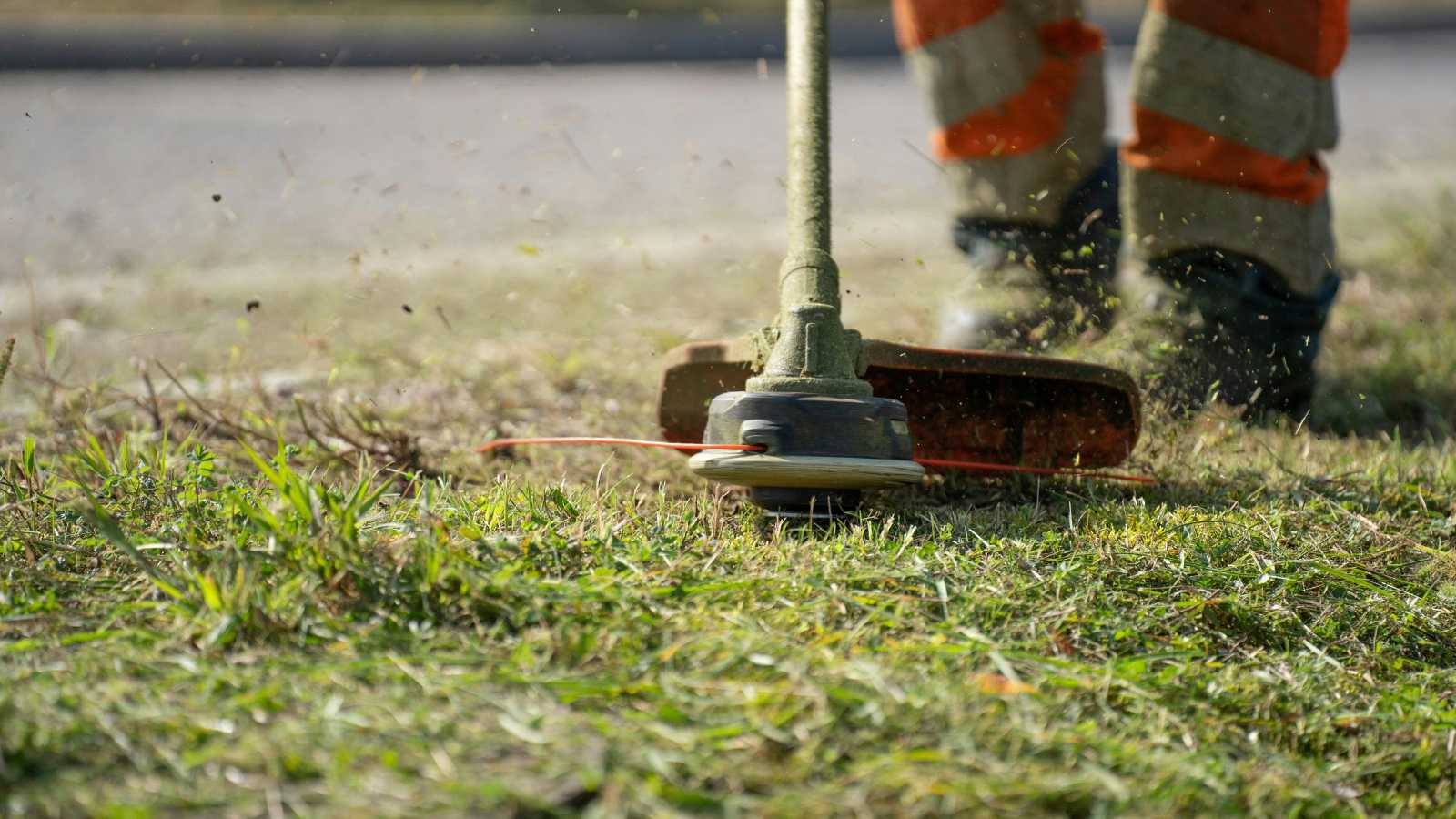
The gas-powered weed whacker is another target for engine emission crackdowns. These tools run at high speeds, significantly increasing fuel consumption. Professional crews are now incentivized to use quieter electric versions for their work. This shift reduces noise pollution in residential neighborhoods during the day.
New regulations specifically target the nitrogen oxides these machines produce during maintenance. Small engines are known contributors to emissions in many major cities. Switching to electric trimmers helps protect the environment and your hearing.
Old-Fashioned Pesticide Sprayers

Backyard bug fighting is changing as agencies reevaluate the safety of lawn chemicals. Broadcast sprayers are being restricted to prevent chemical drift into other yards. This protects the health of pollinators, which are essential to our global food supply. Protecting bees and butterflies is now a top priority for gardeners.
Agencies now limit the use of certain chemicals in residential areas to protect children. This transition focuses on reducing exposure to potentially harmful insecticides. Safer alternatives effectively protect your family and the local ecosystem.
High-Output Outdoor Floodlights
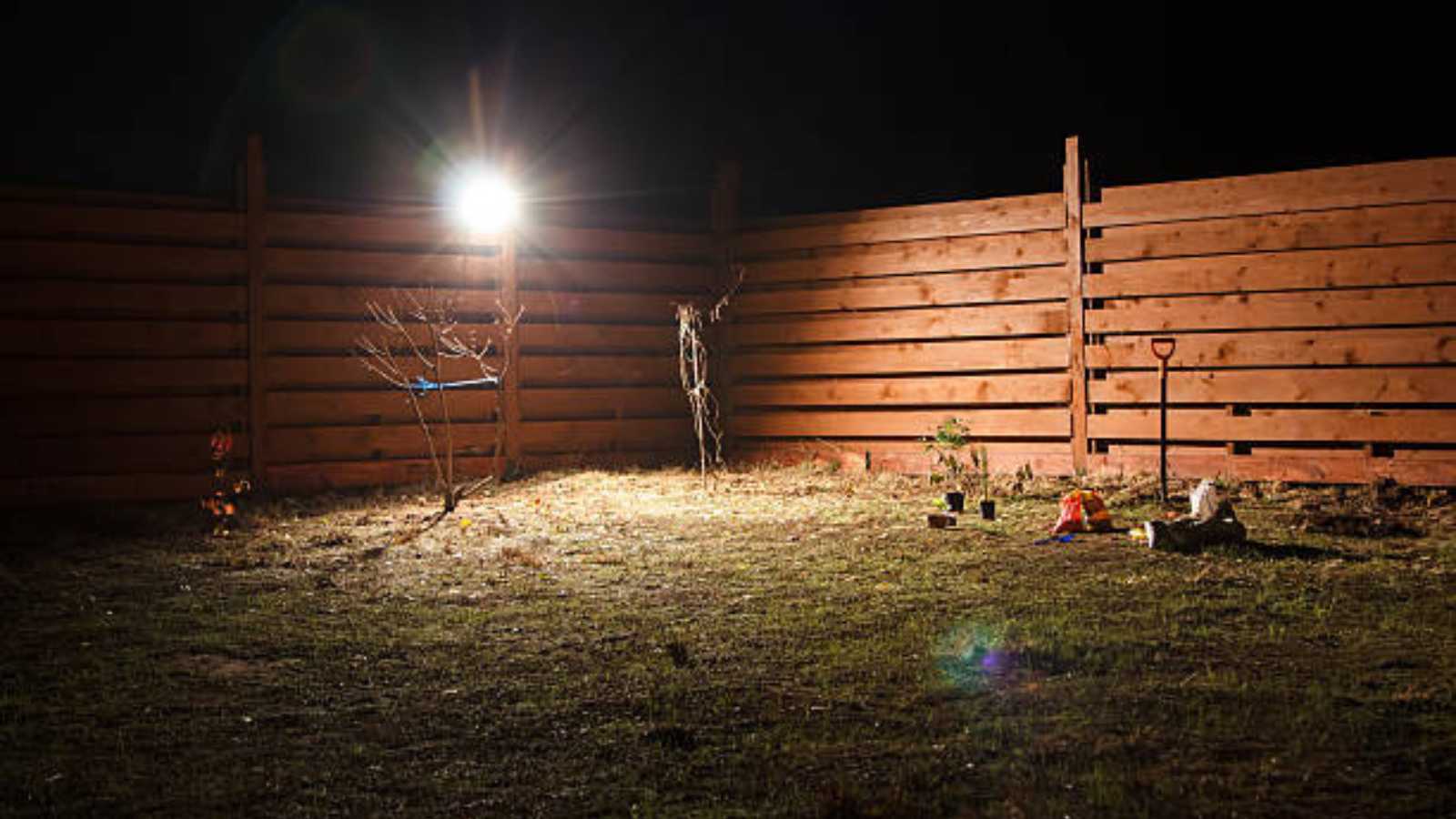
Light pollution is a major concern, prompting new dark-sky ordinances. These laws require homeowners to shield lights or use lower-intensity bulbs. Your backyard might soon violate building codes if it stays lit like a stadium.
These rules aim to restore the night sky’s natural beauty. The loss of the night sky is happening faster as artificial light increases. Research from global citizen science data shows that the night sky has grown significantly brighter over the past decade, with artificial light pollution increasing by an average of 9.6 % per year.
This trend forces many towns to mandate the use of motion sensors to save money.
Oscillating Water Sprinklers
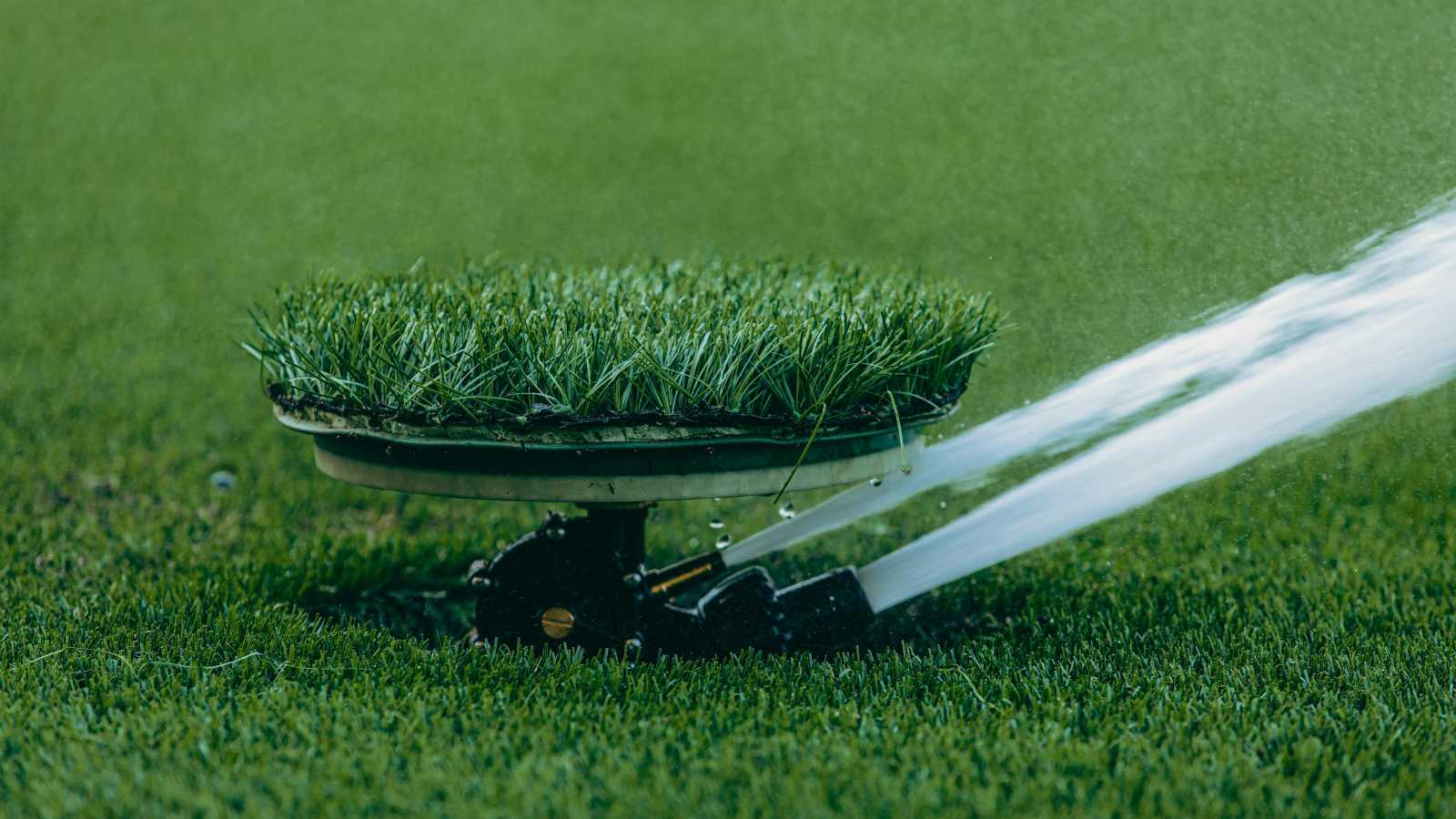
Water scarcity is forcing the traditional lawn sprinkler into a permanent retirement. Drought-prone states now ban overhead systems that lose moisture to evaporation. Homeowners are moving toward drip irrigation to water roots directly and efficiently. These systems maximize every drop of water used in the garden.
Wasted landscaping water is a primary target for conservationists working to protect our resources. Inefficient systems often lose a significant portion of water to the wind. This waste is a massive drain on your monthly grocery runs. Upgrading your system is a smart way to conserve and save.
Key Takeaways

New backyard bans target gas-powered tools to reduce smog and carbon emissions. These rules protect public health by limiting the risks of hearing loss and respiratory issues from smoke. Switching to electric tools and efficient irrigation helps homeowners avoid fines and conserve resources.
Disclaimer: This list is solely the author’s opinion based on research and publicly available information. It is not intended to be professional advice.
Like our content? Be sure to follow us