

Before modern appliances and automation transformed daily life, children often performed physically demanding chores that helped keep households running.
Tasks that seem unimaginable to many kids today, hauling water, chopping wood, scrubbing laundry by hand, or tending fires, were once routine parts of childhood in many families. These chores were not simply about discipline or keeping busy. In many homes, they were essential to cooking, heating, cleaning, and survival itself.
Over the past century, technology dramatically changed domestic life. Washing machines, indoor plumbing, central heating, refrigerators, and other conveniences eliminated much of the manual labor that once consumed hours every day. As a result, childhood responsibilities shifted from physically intensive household work toward lighter maintenance tasks and school-centered routines.
Looking back at these older chores offers a fascinating glimpse into how different everyday life once was, and how deeply technology reshaped the experience of growing up in America.
Defrosting the Freezer

Before the invention of frost-free technology, freezers would slowly fill with a thick layer of rock-hard ice. Every few months, the entire unit had to be shut down, and its contents moved to a temporary cooler. Kids were often tasked with using a hairdryer or a bowl of hot water to melt the ice chunks away.
Self-defrosting units eventually became the standard in American homes during the late 20th century. These modern units save the average homeowner a significant amount of manual labor every year. This improvement in the storage process has made kitchen maintenance much easier for the modern family. No one misses the days of chipping away at a tundra in the kitchen.
Beating the Rugs

Before the invention of the portable vacuum cleaner, keeping a carpet clean was a full-day event. Kids were tasked with dragging heavy rugs outside and hanging them over a sturdy clothesline in the yard.
They would then use a wire or rattan beater to strike the rug repeatedly until the dust stopped flying. It was a backbreaking task that required constant motion and a strong pair of lungs to handle the debris.
Some equipped modern vacuums can remove up to 99% of surface dust in a fraction of the time. This technological shift has turned a grueling physical chore into a five-minute task.
Polishing the Silver
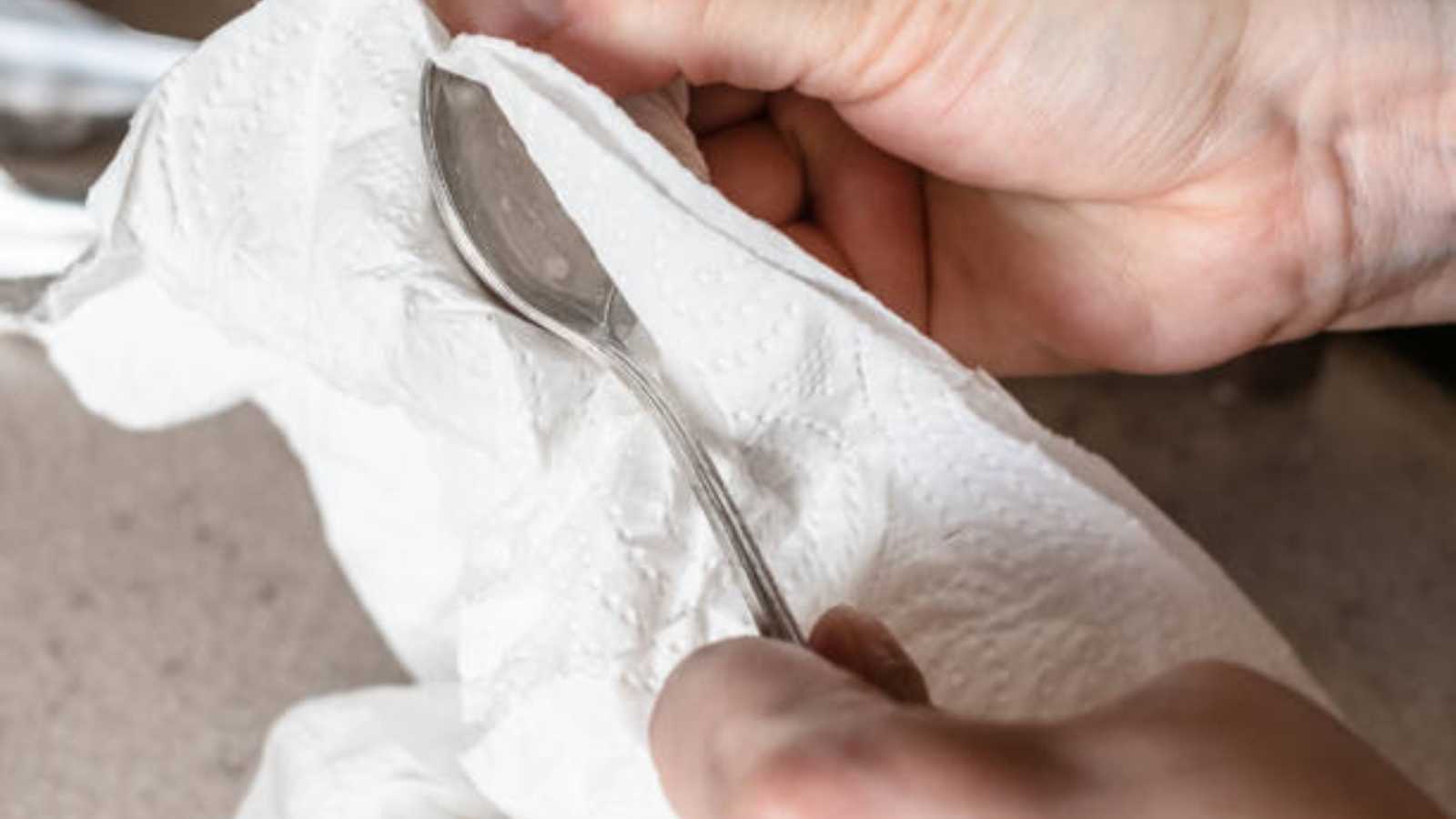
A set of silver cutlery was a point of pride for many families, but it required constant and tedious maintenance. Children were often given the job of rubbing away the dark tarnish with a pungent chemical paste and a soft cloth.
This chore could take hours of careful work to ensure every fork and spoon was perfectly reflective. It was a test of fine motor skills and extreme patience that most kids today would find mind-numbing.
The decline of real silver in the average home has largely erased this tradition from the modern experience. Stainless steel has taken over because it does not require the same level of constant upkeep. Most modern households now prioritize convenience over the high-maintenance shine of traditional silver.
Hand-Cranking the Laundry
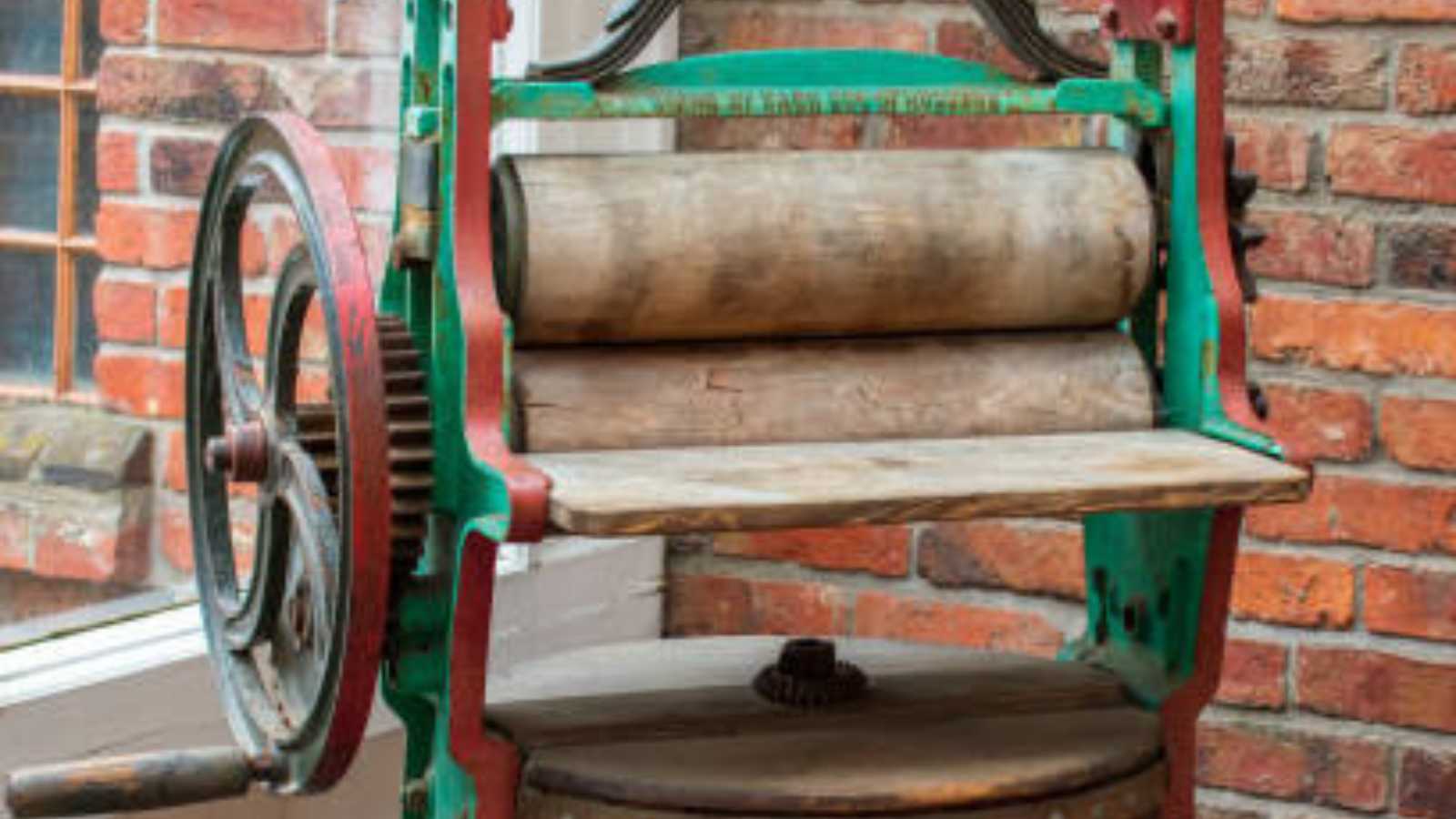
Doing the laundry once involved a heavy metal tub and a hand-cranked wringer that could easily catch a stray finger. Kids were responsible for turning the handle to squeeze out excess water from heavy, wet sheets and denim overalls.
The physical effort required to move an entire family’s wardrobe through the wringer was immense. It was a damp, exhausting process that took place every Monday without fail.
Energy efficiency reports show just how much the modern washing machine has replaced human labor. Statistics indicate that a manual laundry day required over 50 gallons of water to be hauled and heated by hand. Today, a simple button press handles what used to be a half-day of manual labor.
Cleaning the Ash from the Stove
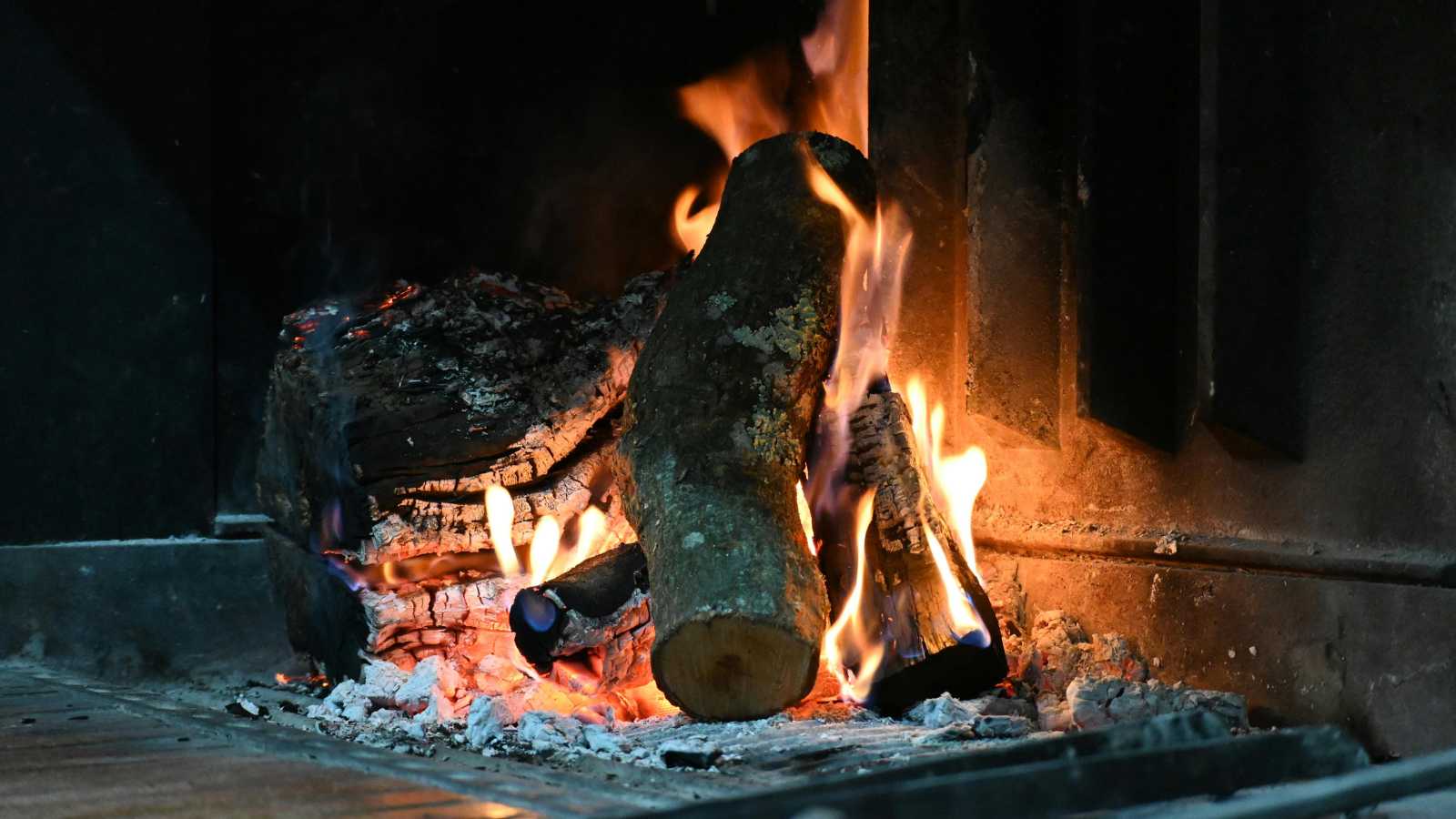
When the primary source of heat was wood or coal, the fireplace and the stove were the heart of the home. Every morning, a child would have to shovel out the cold gray ashes and carry them outside to a pit. It was a vital task because a buildup of ash would prevent the fire from burning the next night efficiently.
Heating industry data reveal a massive shift away from solid fuels in American residential properties. Statistics from the U.S. Census Bureau show that coal heating in homes dropped from 55% in 1940 to less than 1% by the year 2000.
This shift has saved families hundreds of hours of labor and significantly improved indoor air across the country. Managing a budget for gas is much easier than shoveling coal every winter morning.
Darning the Socks

Before the era of fast fashion, clothes were repaired until they fell apart at the seams. Children were taught to use a darning egg to weave new threads across the holes in their socks and sweaters.
This was a precise and repetitive task that required sitting still for long periods under a dim lamp. It was an essential skill because buying new clothes was a significant expense for the average family.
Consumer behavior reports highlight the massive increase in textile waste as repair skills have vanished. Data suggests that the average American now throws away roughly 81 pounds of clothing and textiles every year. Spending your money on a new pack is the modern solution to a hole in your toe.
Shucking the Corn

Save this article
Fresh vegetables often arrived from the farm or the garden in their most natural and difficult state. Kids would spend hours on the back porch peeling away the thick green husks and silk from dozens of ears of corn. It was a repetitive motion that left your hands tired and covered in fine golden threads.
Most modern families now purchase their produce in a ready-to-eat format from the store. Sales of pre-shucked or frozen corn have risen as people seek more convenience in the kitchen. Industrial processing plants now handle the bulk of this work before the vegetables reach the aisle.
This convenience has largely removed food preparation from the daily list of household chores. Most children today only see corn when it is already clean and bright on a plastic tray.
Delivering the Newspaper

For generations, the “paper route” was the first job and a rite of passage for most young boys and girls. It required waking up at 4 a.m., in all kinds of weather, to fold and deliver heavy bundles of news.
Kids would navigate the dark streets on a heavy bicycle and toss the papers onto porches with practiced accuracy. It was a high-responsibility chore that taught time management and the value of a hard-earned dollar.
Reports from the Pew Research Center show that weekday print circulation has plummeted from 60 million in 1990 to roughly 20 million today. This shift has eliminated the need for a neighborhood bike to deliver the morning headlines. The classic image of the paperboy is now essentially a relic of 20th-century nostalgia.
Walking to the Store for a Single Item

Before the era of massive supermarkets and delivery apps, a trip to the store was a frequent and focused task. If the family ran out of milk or bread, a child was often sent on foot to the local corner market. It was a chore that required navigation skills and the ability to handle small amounts of cash safely.
Large-scale shopping centers and online delivery options have largely replaced the local corner store. Many people now live much further from their nearest food provider than they did in the past. Delivery apps have changed the grocery shopping routine and made walking for a single item a thing of the past.
Why walk to the store when a driver can bring a single gallon of milk to your door? Convenience has rewritten the map of how we interact with our local shops.
Churning the Butter

In rural homes, making butter was a common task that required stamina. A child would sit with a wooden churn and move a dasher up and down for what felt like an eternity. The goal was to agitate the cream until the fat solids separated from the liquid buttermilk.
It was an exhausting motion that could take over an hour to complete for a single pound of butter. Butter production is now almost entirely a large-scale industrial process handled by machines.
Automated facilities produce billions of pounds of butter every year with incredible speed. It is a perfect example of how the industrial age simplified the preparation of basic staples. Most children today have never even seen a real butter churn in person.
Is Manual Labor Gone For Kids?

The automation of domestic tasks has shifted childhood chores from grueling manual labor to simple electronic management. Technological improvements in heating and laundry have eliminated some of the most physically demanding and soot-covered tasks of the past. Modern convenience allows families to focus more on leisure and education while spending less time on basic household survival.
More articles:
- 15 appliances that are quietly draining electricity in your home
- A home’s value isn’t lost in negotiations but in the split-second judgments buyers make the moment they step inside.
- 12 things to ditch for a cleaner, healthier home
Disclosure: This article was developed with the assistance of AI and was subsequently reviewed, revised, and approved by our editorial team.
Like our content? Be sure to follow us on Newsbreak.
12 Urgent Reasons Every Home Needs an Emergency Cash Stash

With millions unprepared for even a $400 emergency, financial experts warn that old-school cash at home is becoming essential again.
A power outage doesn’t care that your money is digital. When a tow truck, urgent-care desk, or gas station needs payment, you can’t always wait for an app, a password reset, or a slow bank transfer. Learn more.
10 home smells triggering your brain fog, headaches, and fatigue

Sometimes the reason you feel so drained at home is not stress or age at all, but what you are breathing in every day.
Feeling wiped out or headachy at home is easy to blame on age or stress, but certain everyday smells in your house can quietly wear you down too. For many changing what they breathe inside four walls is just as important as changing what they eat or how they move. Indoor air is a mix of invisible chemicals, lingering odors, and tiny particles that your brain and nervous system have to process all day long, and that constant background “noise” can show up as headaches, brain fog, and stubborn fatigue. Learn more.





