

Modern America is drowning in convenience, and the practical skills that once kept families self-reliant are quietly disappearing when we need them most.
Looking at modern American society from an outsider perspective reveals a culture heavily dependent on digital conveniences. People tap glowing screens for everything from hot meal deliveries to finding romantic partners. Entire generations have grown up without learning the basic self-sufficiency techniques that their grandparents practiced daily. The baby boomer generation held a wealth of practical knowledge that modern citizens desperately need to reclaim.
Living without constant internet access used to be completely normal for ordinary citizens. Boomers knew how to fix broken items instead of immediately ordering cheap replacements online. Bringing back these classic habits can save families a tremendous amount of money and reduce daily stress. These valuable skills build confidence and independence in an increasingly unpredictable modern environment.
Fixing Worn And Torn Clothes

Learning basic needlework used to be a standard part of growing up in any American household. A simple needle and thread can extend the lifespan of a favorite shirt by years. Unfortunately, modern consumers often prefer tossing damaged garments directly into the trash bin.
According to Fashion Dive, consumers throw away approximately 11.3 billion tons of clothing in the US each year. Relearning the basic art of darning socks or replacing missing buttons fights this massive waste. People can save hundreds of dollars annually just by keeping a tiny sewing kit handy.
Preparing Meals Completely From Scratch
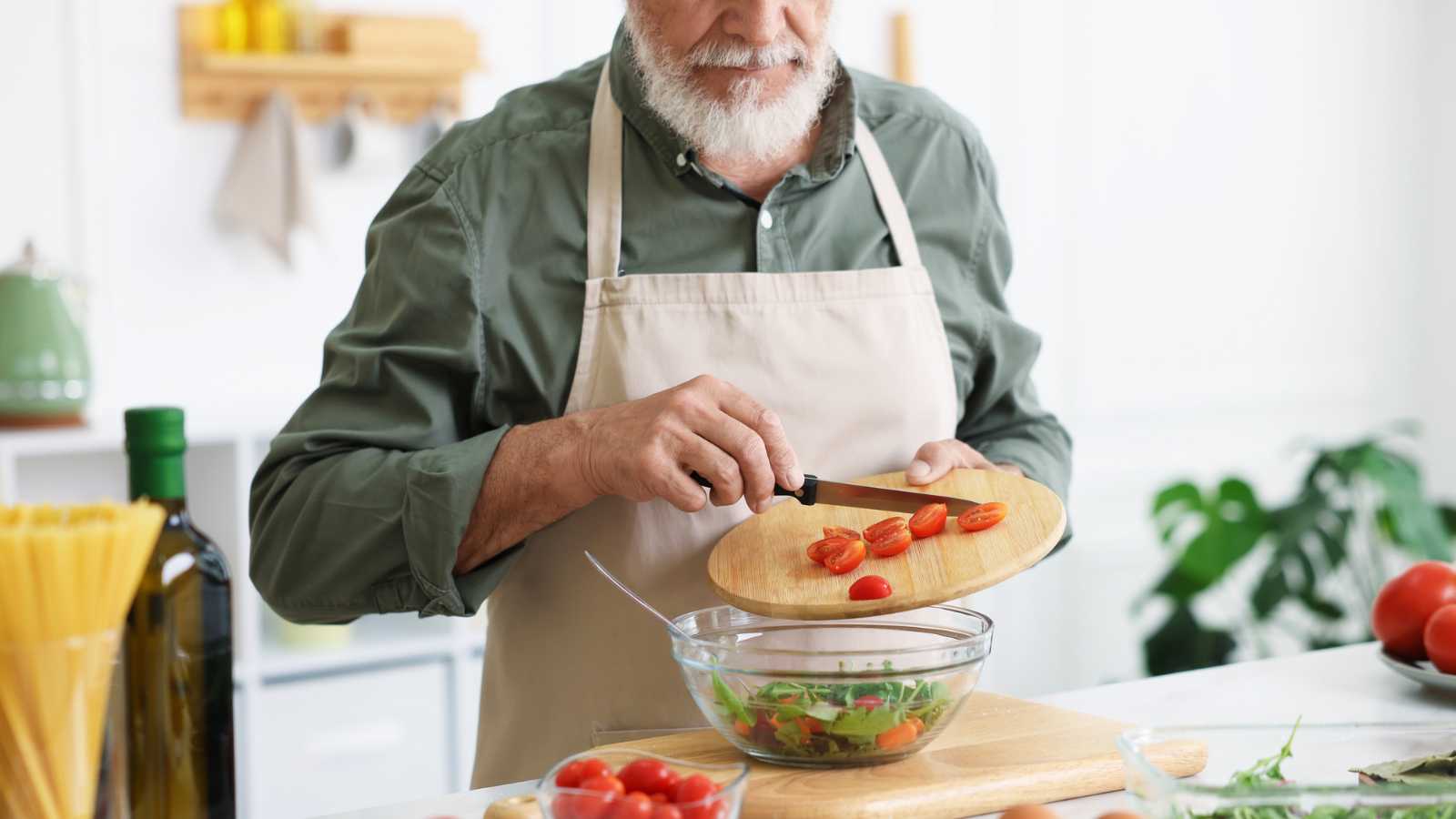
Many folks today rely completely on food delivery apps or frozen microwave dinners for their daily nutrition. Cooking whole ingredients provides a far healthier and significantly cheaper alternative to eating out. An observer visiting the States quickly notices how large the processed food aisles are in local grocery stores.
A report by the United States Department of Agriculture showed that Americans spend more than half of their food budget on dining out and prepared meals. Mastering classic boomer recipes helps keep those hard-earned dollars in personal bank accounts. Chopping fresh vegetables and simmering homemade stews also offers a wonderfully therapeutic evening activity for tired workers.
Performing Basic Automotive Maintenance

Older generations treated weekend car maintenance as a completely standard neighborhood ritual. Knowing how to check oil levels prevents catastrophic engine failures on long highway road trips. Today, many younger drivers panic the second a dashboard warning light turns on.
Carpro reports that less than 50% of US drivers can change a flat tire independently. Keeping a jack and spare tire in the trunk means nothing if drivers lack the practical knowledge to use them. Spending an hour learning these simple mechanical tasks guarantees motorists will never be helplessly stranded.
Reading Traditional Paper Maps

Road trips across Route 66 used to involve giant paper maps folded neatly in the glove compartment. Following a physical map forces travelers to understand actual geography instead of blindly obeying a computerized voice. Cell service frequently drops out completely when tourists travel through beautiful rural regions or national parks.
A recent report by Murphy & Prachthauser found that 86 percent of American drivers admit they would get completely lost without GPS on their smartphones. Keeping an updated road atlas in the vehicle acts as the perfect failsafe for technical blackouts. Plus, tracing a route with a brightly colored marker makes the journey feel like a true adventure.
Balancing A Physical Checkbook

Digital banking applications certainly offer convenience, but they often mask the reality of daily spending habits. Writing down every single transaction forces account holders to physically confront where their money actually goes. Boomers understood that carefully tracking expenditures was the absolute best way to build long-term wealth.
A 2025 study by the Financial Industry Regulatory Authority found that only 27 percent of American adults can pass a basic financial literacy quiz. Taking a pen to a paper ledger connects the brain to the budget in a highly effective way. This old-school financial discipline stops impulse purchases dead in their tracks.
Preserving And Canning Seasonal Foods

Grandmothers across the nation used to spend late summer afternoons turning fresh garden harvests into preserved winter treasures. Creating homemade jams and pickles locks in peak seasonal flavors for year-round enjoyment. The practice has sadly faded away in favor of buying heavily processed jars from mega-corporations.
Save this article
Filling a pantry with home-canned goods creates a wonderful safety net for unexpected emergencies. The satisfaction of popping open a jar of summer peaches in December is truly unmatched for anyone who appreciates real food. It also drastically reduces the weekly grocery bill for families during the expensive winter months.
Writing Sincere Letters By Hand

Text messages and quick emails lack the profound emotional weight of a handwritten note. Receiving a physical letter in the mail shows that someone truly dedicated their valuable time to the recipient. The beautiful art of cursive handwriting is rapidly fading from modern educational curricula across the country.
A CATO Institute report says that the USPS survey revealed that household-to-household personal correspondence accounts for very little of total mail volume. Putting pen to paper to express gratitude or love creates a permanent keepsake for friends and relatives. Future historians will surely miss having boxes of romantic letters to document current culture.
Growing Fresh Fruits And Vegetables

Backyard victory gardens once supplied countless American families with fresh and delicious daily produce. Tending to tomato plants and root vegetables grounds people in the natural cycles of the earth. Modern urban living has disconnected millions of citizens from the simple joy of harvesting their own dinner.
Planting a small garden on a sunny windowsill serves as the perfect introduction to basic agriculture. Watching a tiny seed transform into edible food feels like performing actual magic right at home. The taste of a sun-ripened homegrown vegetable instantly puts sad supermarket produce to shame.
Memorizing Important Phone Numbers

Before cell phones contained all necessary contacts, people simply memorized the digits of their friends and family members. Committing essential phone numbers to memory provides a crucial lifeline if a person ever loses their mobile device. Today, most individuals cannot even recite their own spouse’s phone number off the top of their head.
Exercising the brain with simple memorization techniques keeps cognitive abilities sharp and focused. Relying completely on a digital contact list leaves individuals highly vulnerable during unexpected personal emergencies. Writing these essential numbers on a piece of paper in a wallet offers a smart backup plan.
Ironing And Caring For Linens

Looking sharp and presentable used to require a close relationship with a hot iron and a sturdy board. Properly pressing clothes communicates a strong sense of professionalism and personal pride in the workplace. The modern preference for synthetic wrinkle-free fabrics has made this domestic chore virtually extinct.
Taking the time to iron a crisp cotton shirt sets a positive and organized tone for the entire workday. It also prevents delicate natural fibers from shrinking and warping in high-heat commercial dryers. Understanding different fabric care requirements keeps expensive wardrobes looking pristine for decades.
Entertaining Guests Without Technology

Hosting friends for an evening used to mean dealing with playing cards or setting up a classic board game. Engaging in face-to-face conversations without checking a screen builds incredibly strong social bonds. Now, people often just sit in the same room while silently scrolling through their respective social media feeds.
Breaking out a puzzle or a deck of cards forces everyone in the room to be fully present in the moment. These analog activities encourage laughter, friendly competition, and genuine human connection among peers. Guests will leave feeling truly valued rather than merely tolerated by their distracted hosts.
Haggling And Negotiating Prices

Americans today generally accept whatever price tag a store slaps onto a product without asking any questions. Politely asking a manager for a discount on a floor model can save buyers a significant amount of cash. Older generations viewed pricing as a starting point for a respectful and mutually beneficial conversation.
Learning to advocate for financial interests is a crucial tool for buying cars or negotiating home repairs. Many independent retailers are surprisingly willing to negotiate if shoppers offer to pay in cash. Overcoming the awkwardness of bargaining unlocks a hidden tier of savings available to bold consumers.
Disclaimer: This list is solely the author’s opinion based on research and publicly available information. It is not intended to be professional advice.
Like our content? Be sure to follow us.





