

Firefighting is one of the most physically demanding professions in America, requiring strength, endurance, rapid decision-making, and the ability to perform under extreme conditions. What happens around the firehouse dinner table can be almost as important as what happens at the scene of an emergency.
While fires, accidents, and hazardous situations pose obvious dangers, cardiovascular disease remains one of the leading threats to firefighter health. Medical experts have increasingly emphasized the role that nutrition, fitness, recovery, and overall wellness play in helping firefighters maintain peak performance and reduce long-term health risks.
Firehouse meals have traditionally been a cornerstone of station culture, bringing crews together while providing the fuel needed for long shifts and unpredictable calls. Today, many departments are balancing those traditions with growing awareness of nutrition, heart health, and the unique physical demands of the job.
From protein-packed comfort foods to healthier modern adaptations, these meals offer a glimpse into a profession where food serves as both fuel and fellowship.
Where Comfort Meets Convenience
Firehouses are more than just places where firefighters sleep between calls; they’re community hubs that foster teamwork, camaraderie, and comfort, often through shared meals. Popular meals like tacos, burritos, and chicken gyros are all about convenience.
These meals can be prepared quickly, providing firefighters with the protein, carbs, and veggies they need without requiring extensive preparation. The appeal lies in the communal aspect; these dishes can easily feed crews of 10-15 firefighters, making it a simple yet effective solution for a busy team.
Then, of course, there’s the firehouse tradition of Crockpot meals; dishes like meatloaf, tri-tip, and pulled pork, which cook for hours while firefighters are on duty, filling the firehouse with tantalizing aromas. These meals provide a hearty and satisfying end to a long shift, giving firefighters the sustenance they need to power through their demanding days.
A Slice of Normalcy Amid Chaos
Every firehouse has its own set of traditions that help bring the team together, and one of the most beloved traditions is pizza night. Some stations take this to the next level, making their own homemade pizzas from scratch: dough, toppings, and all. It’s a chance for the crew to unwind, enjoy something familiar, and bond over a meal that requires little preparation. Whether it’s simple cheese or loaded with toppings, pizza provides the perfect comfort food after a tough day.
But pizza is just one part of the story. Many firehouses also indulge in Philly cheesesteaks and potato corn chowder, hearty meals that are both easy and satisfying to prepare in large quantities. These meals give firefighters a much-needed mental break, offering both comfort and a healthy dose of nutrients to fuel the next shift.
The High-Risk Health Implications of Firefighting
The profession of firefighting is demanding, physically exhausting, and often dangerous. But the toll it takes on firefighters’ health goes beyond the dangers of the job itself.
Poor dietary choices can contribute to long-term health issues, including heart disease, obesity, and even early death. Obesity is a significant issue in the firefighter community, with 28% of U.S. firefighters classified as obese. This is a major concern given the connection between obesity and heart disease, which is the leading cause of firefighter fatalities.
A recent study from the CDC found that sudden cardiac events account for nearly 50% of firefighter deaths on duty. For firefighters, this is a particularly alarming statistic, as the physical strain of fighting fires combined with the unhealthy food choices often available at the firehouse can exacerbate heart health problems.
As the Standard American Diet (SAD) is rich in processed foods, sugars, and unhealthy fats, it contributes directly to elevated LDL cholesterol and triglycerides, both of which are known risk factors for heart disease.
Health Risks Tied to Diet and Obesity in Firefighters
The statistics surrounding firefighter health are stark and tell a story of a profession at risk. With an average BMI of 30 kg/m², U.S. firefighters are at the edge of obesity. According to American Heart Association research, this puts them at increased risk for developing high cholesterol, hypertension, and other cardiovascular diseases. In fact, obesity increases the risk of cardiac events by 3.1 times, making it a crucial area of focus for firehouses nationwide.
When you break down the numbers, the danger becomes clear. Nearly a quarter of firefighters are classified as obese, and studies suggest that this obesity is directly linked to unhealthy eating habits, particularly the high consumption of sugary snacks and processed foods. In contrast, those who adopt healthier diets, like the Mediterranean Diet (MD), which is rich in fruits, vegetables, and lean proteins, show a marked improvement in HDL cholesterol; the “good” cholesterol.
This highlights the importance of not only addressing weight but also focusing on heart-healthy foods that can mitigate the damage caused by the Standard American Diet (SAD).
The New Nutrition Trend
In response to these alarming health trends, firehouses across the country are beginning to shift toward healthier eating habits. One of the key trends is portion control; using the hand-portioning method to ensure meals are balanced.
Firefighters are encouraged to have 1 palm of protein (chicken or fish), 2 fists of vegetables, and 1-2 cupped hands of carbs (such as quinoa or sweet potatoes). This strategy eliminates the need for complicated calorie counting and offers a practical solution that helps firefighters maintain healthier portion sizes while still getting the energy they need.
Firehouses are also moving toward adopting the Mediterranean Diet, which emphasizes lean proteins, healthy fats, and a high intake of fruits and vegetables. This diet is associated with a low risk of cardiovascular disease and improved cholesterol levels, both of which are critical for reducing heart disease risk among firefighters.
A Heart-Healthy Shift in Firehouse Nutrition
The Mediterranean Diet (MD) is making waves in firehouses across the country as firefighters look to reduce the risks posed by high-fat, high-sugar meals. The diet focuses on vegetables, lean proteins like chicken and fish, and healthy fats such as olive oil and nuts. Studies have shown that adopting this diet can improve heart health by boosting HDL cholesterol and reducing LDL cholesterol, two critical factors in managing heart disease risk.
According to Megan Lautz, RD, a registered dietitian specializing in firefighter nutrition, “The key to improving firefighter health is not just about changing meals during shifts; it’s about making small, sustainable changes in diet and lifestyle that can be maintained over time.” Lautz emphasizes that hydration and mindful eating, such as avoiding processed snacks and fast food, are key to improving firefighter health and energy levels during shifts.
Firehouse Strategy for Healthier Eating
Meal prepping has become a key strategy for maintaining healthy eating habits in firehouses. By planning meals in advance, firehouses can ensure that firefighters have easy access to nutrient-dense meals even during the busiest shifts.
Pre-cooked meals like grilled chicken, quinoa, and roasted vegetables can be prepared in bulk and stored, making it easier for firefighters to stay on track with their nutrition goals without resorting to fast food.
The benefit of meal prep extends beyond just convenience; it also helps prevent the reliance on unhealthy snacks like chips and candy, which are often the easiest option when time is tight. According to Lautz, “Meal prep allows firefighters to eat balanced meals that support energy levels while also lowering the risk of developing chronic health conditions.”
Save this article
Why Nutrition is Critical for Firefighter Performance
The role of nutrition in firefighter performance cannot be overstated. Experts like Dr. Jill Joyce, a dietitian at Oklahoma State University, emphasize the importance of mindful eating and hydration. Joyce says, “In high-stress environments like a firehouse, it’s easy to overlook the basics of nutrition, but making small changes in snacking habits and hydration can have a huge impact on overall performance.”
The importance of meal timing is crucial. After a strenuous shift, firefighters need to replenish their energy stores quickly. The largest meal should be within 1-2 hours of finishing the shift to aid muscle recovery and energy restoration. Experts agree that focusing on these aspects of nutrition can help firefighters stay at their best while lowering the risk of heart disease, obesity, and burnout.
The Role of Cooking in Stress Relief
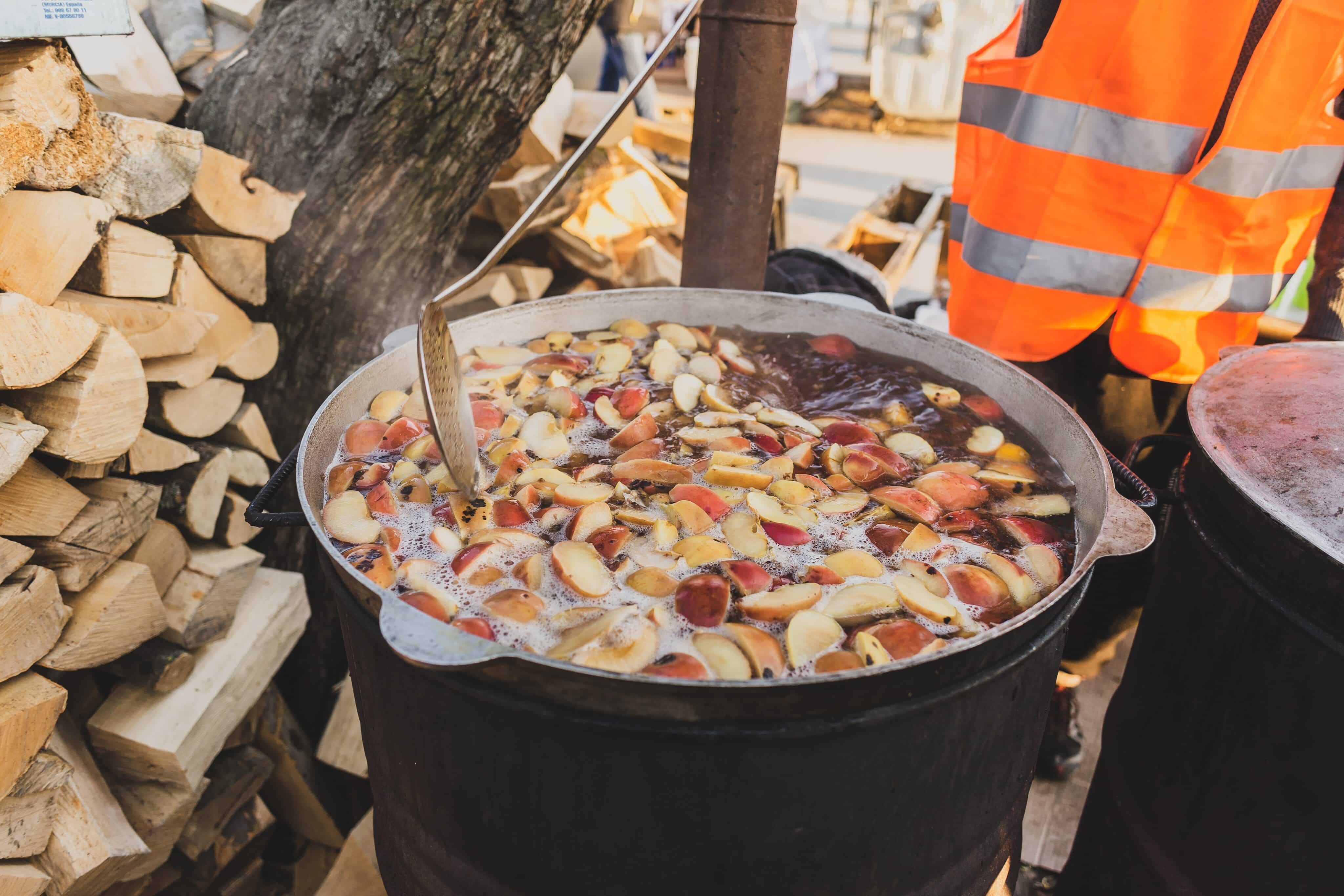
Cooking in the firehouse isn’t just about satisfying hunger; it’s also about relieving stress and fostering camaraderie. Many firehouses have rotating cooks, which not only keeps meals interesting but also provides a mental break from the high-pressure nature of firefighting. The act of preparing food together helps build team cohesion and offers a much-needed opportunity for relaxation, even if it’s just for a brief moment.
Additionally, research from NIOSH (National Institute for Occupational Safety and Health) highlights the importance of stress management for firefighters, noting that simple activities like cooking can help lower stress levels and improve overall mental health. Stress management, when paired with healthier eating habits, becomes a powerful tool for optimizing performance and long-term well-being.
A Whole Different Level of Nutrition
Wildland firefighters, those who battle blazes in forests and rural areas, have drastically different nutritional needs than their urban counterparts. Due to the intense physical nature of their work, wildland firefighters require 4,000 to 6,000 calories per day to maintain their energy levels. Their meals need to be nutrient-dense, with a focus on protein-rich foods to support muscle recovery and complex carbohydrates for long-lasting energy.
After a demanding shift, wildland firefighters typically consume their largest meal 1-2 hours after working to help restore energy. This quick recovery meal often includes lean meats, whole grains, and vegetables, giving them the fuel they need to tackle the next round of intense physical labor.
The Importance of Balanced Meals
For firefighters, eating a balanced meal isn’t just about staying energized during shifts; it’s about protecting their heart health and fighting obesity. Firehouses are increasingly adopting meals that balance protein, vegetables, and carbs, which are critical for overall health and heart disease prevention. The key is ensuring that meals are not just filling but also nutritious and provide long-term health benefits.
By sticking to portion control and focusing on real, whole foods, firefighters can lower their risk of heart disease, obesity, and other chronic conditions that are too common in the profession. The switch to healthier meals, including more Mediterranean-style dishes, has shown promising results in helping reduce risks while boosting energy.
Key Takeaways
The most important takeaway from all this is that proper nutrition isn’t a luxury for firefighters; it’s a necessity. The meals they consume on shift directly affect their performance, health, and long-term well-being. By focusing on balanced meals rich in lean proteins, vegetables, and healthy fats, firefighters can reduce their risk of heart disease, maintain energy, and stay at their best even during the toughest shifts.
Switching to a Mediterranean-style diet and planning meals in advance are two key strategies that can make a big difference. As Megan Lautz, RD, says, “When it comes to nutrition, it’s about small, sustainable changes that can have a massive impact on firefighter health over time.”
More articles:
- 10 antioxidant-rich foods that support immune defense
- Why yogurt and fruit may be one of the smartest snacks for long-term health & decreasing belly fat
- 12 reasons carrot juice should be part of your daily routine
Disclosure: This article was developed with the assistance of AI and was subsequently reviewed, revised, and approved by our editorial team.
Like our content? Follow us on Newsbreak.
Common spices linked to colon cancer prevention

In the quiet routine of seasoning a meal, you may be adding small, powerful defenses against one of the most common cancers.
Your spice rack might actually be hiding some powerful health benefits. It turns out that a handful of common pantry staples pack a serious punch against serious illnesses. Medical researchers are looking closely at how everyday seasonings can fight back against cellular damage in the digestive tract. Learn more.
12 ways extreme heat can change the way your body handles coffee

In places where the air no longer cools after sunset, even something as routine as coffee can feel like a different choice.
Your morning cup is still part of many people’s daily rhythm, but in hotter regions, extreme heat can change how the body responds to it. Across parts of the American Southwest, sustained high temperatures and longer heat waves have made hydration and heat stress more important factors in everyday habits. Learn more.
The key to better sleep and steady energy might come down to one mineral missing in your diet
Most people focus on getting more energy during the day and better sleep at night, but one key nutrient plays a role in both.
Magnesium supports muscle function, nerve signaling, and sleep regulation, yet many people don’t get enough of it through their daily diet. Health experts note that even mild deficiencies can affect rest, recovery, and overall well-being. Learn more.





