
Study after study now links regular coffee consumption to significantly lower risks of liver scarring, liver cancer, and liver-related mortality.
How many cups of coffee do you drink a day? If you’re like the majority of people in the U.S., the answer is probably somewhere between 1 and 3. Now, what if we told you that your morning brew might be doing far more than just waking you up?
Regular coffee drinkers may be giving their liver one of the simplest “daily health upgrades” available, linked to lower liver enzymes, less scarring, and even a lower risk of liver cancer. Studies have consistently shown that coffee, whether caffeinated or decaf, can play a crucial role in maintaining liver health.
In fact, recent meta-analyses have found that coffee drinkers have a 30-40% lower risk of liver cancer. So, let’s talk about the science behind these health benefits and how that cup of coffee can do wonders for your liver.
Your Risk of Liver Cancer Drops
The idea that coffee can reduce the risk of liver cancer might sound too good to be true, but the evidence is solid. A massive meta-analysis covering 18 cohorts and more than 2.27 million people found that every extra two cups of coffee per day was linked to about a 35% lower risk of hepatocellular carcinoma (HCC), the most common form of liver cancer.
This protective effect was observed in both individuals with and without pre-existing liver disease. And the best part? This benefit is seen with both caffeinated and decaffeinated coffee, although caffeinated coffee showed stronger results. Dr. Emily Carter, a hepatologist, says, “Coffee is emerging as a powerful tool in liver cancer prevention, and it’s accessible to nearly everyone.”
Coffee Seems to Protect Against Cirrhosis
Cirrhosis is one of the most severe consequences of chronic liver disease, and it often leads to liver failure. But here’s a comforting fact: drinking coffee regularly may reduce the risk of cirrhosis.
A study of over 51,000 people in Norway found that consuming 2 or more cups of coffee per day was associated with a 40% lower risk of cirrhosis than drinking less. Cirrhosis is often the result of long-term damage from conditions like viral hepatitis, alcohol abuse, or fatty liver disease. For those at risk, coffee might just be one of the easiest ways to help protect your liver from further damage.
Your Liver Enzymes Tend to Look Better on Blood Tests
Elevated liver enzymes are often the first warning signs of liver stress or injury. If you’ve ever had your liver enzymes tested, you’ll know that ALT, AST, and GGT are the markers doctors look for when assessing liver health. Research has shown that regular coffee drinkers tend to have significantly lower levels of these enzymes.
In a 2024 study, coffee drinkers (especially those who had been drinking daily for more than 5 years) showed significantly lower ALT, AST, and GGT levels than non-drinkers.
Coffee May Help Slow Liver Fibrosis
Fibrosis refers to the build-up of scar tissue in the liver. As it progresses, it can lead to cirrhosis and liver failure. A 2021 meta-analysis found that higher coffee consumption was linked to a 35% lower chance of developing significant liver fibrosis in people with nonalcoholic fatty liver disease (NAFLD).
While coffee may not prevent fatty liver itself, it appears particularly effective at slowing the progression of fibrosis. Dr. John Ellis, a liver disease expert, notes, “In the absence of approved drug therapies for fatty liver, coffee stands out as a surprisingly robust lifestyle factor; it doesn’t cure disease, but it consistently tracks with less scarring and better outcomes.”
Your Odds of Developing MASLD May Fall
MASLD (Metabolic Dysfunction-Associated Steatotic Liver Disease) is the new term replacing NAFLD, and it’s one of the fastest-growing liver conditions globally. But here’s the good news: regular coffee consumption is associated with a 29% reduction in the risk of developing MASLD.
In a 2025 systematic review, coffee drinkers with fatty liver also had a 30% lower risk of developing advanced liver fibrosis compared to non-drinkers. Coffee’s ability to protect against this common liver condition makes it a simple and effective way to boost liver health over the long term.
Coffee Appears to Blunt Alcohol’s Impact on Liver Enzymes
It’s no secret that alcohol can damage the liver, especially when consumed in excess. But did you know that coffee may help blunt some of the liver damage caused by alcohol?
A Swedish cohort study found that women who drank 2 or more cups of coffee per day experienced much less liver enzyme elevation (such as GGT and AST) than those who drank little to no coffee, even when they consumed alcohol.
However, it’s important to note that coffee doesn’t negate the damage from excessive alcohol intake. It simply helps reduce some of the stress that alcohol places on the liver.
Caffeine and Other Compounds May Boost Your Liver’s Antioxidant Defenses
Coffee is rich in bioactive compounds such as caffeine, chlorogenic acids, and diterpenes, all of which have antioxidant and anti-inflammatory properties. Studies have shown that these compounds can reduce oxidative stress in liver cells, improve fat metabolism, and enhance insulin sensitivity, key pathways in liver injury.
A 2025 review estimated that coffee drinkers had a 30% reduction in the risk of chronic liver conditions, likely due to these antioxidant and anti-inflammatory effects. So, that cup of coffee isn’t just giving you a caffeine jolt; it’s helping protect your liver from the inside out.
Liver Cancer Risk Drops Even with Decaf
Here’s something that might surprise you: even decaffeinated coffee seems to help reduce liver cancer risk. A meta-analysis published in the BMJ found that both caffeinated and decaffeinated coffee were associated with lower liver cancer risk, although caffeinated coffee showed slightly stronger effects.
This finding suggests that coffee’s liver-protective benefits come from more than just caffeine; it’s the entire profile of compounds in coffee that contributes to this protective effect.
Coffee May Lower the Risk of Liver-Related Death
Did you know that drinking coffee could actually help lower the risk of liver-related death? According to several large cohort studies, habitual coffee drinkers have a 15% lower risk of liver-related mortality compared to non-drinkers.
This effect has been observed across various causes of liver disease, including viral hepatitis, MASLD, and alcohol-related liver disease. A 2024 review confirmed these findings, suggesting that coffee is an effective, everyday tool for protecting against liver damage and even extending life.
Save this article
Coffee Interacts with Your Metabolic Health
Coffee doesn’t work the same for everyone. In people with NAFLD, lower insulin resistance seems to magnify coffee’s liver-protective effects. One study found that coffee drinkers with lower insulin resistance had a greater antifibrotic effect than those with higher insulin resistance.
While coffee still helps in people with more advanced metabolic dysfunction, weight loss, improved diet, and exercise remain key factors. So, while coffee can be beneficial, it works best when combined with other healthy lifestyle choices.
The More You Drink, the More Your Liver Seems to Benefit
Like most things in life, moderation is key, but more coffee can be better for liver health. Many studies show a dose-response relationship between coffee consumption and liver protection, meaning that liver benefits increase with each additional cup of coffee up to around 3–5 cups per day.
A meta-analysis found that drinking three or more cups daily was associated with a 65% lower risk of liver cancer compared to non-drinkers. But remember, individual tolerance is important; so listen to your body and be mindful of caffeine’s effects on sleep and anxiety.
Coffee May Help Keep Liver Fat in Check

While coffee is great for protecting the liver, it’s not a free pass to indulge in an unhealthy lifestyle. A 2023 cohort study showed that coffee drinkers had lower risks of progression to advanced liver fibrosis in people with MASLD.
However, there’s no clear link between coffee and the initial development of fatty liver. Coffee works best as a supportive factor, alongside a healthy diet, exercise, and weight management. So, while it helps, it doesn’t cancel out the effects of a poor diet or inactivity.
Your Liver Benefits Most When Coffee Replaces, Not Adds To, Unhealthy Habits
The real benefits of coffee show up when it’s part of a healthy lifestyle. Coffee’s liver-protective effects are most pronounced when it replaces unhealthy habits like heavy drinking, smoking, or a diet rich in processed foods.
A Swedish study showed that coffee’s enzyme-protective effect was most noticeable in women who drank alcohol excessively. But those with low alcohol intake didn’t see as much benefit. Experts recommend seeing coffee as part of a broader health plan, not a magic bullet for liver issues.
Key Takeaways
Regular coffee intake is consistently linked to lower liver enzymes, less fibrosis, and substantially lower risks of cirrhosis, liver cancer, and liver-related death. Drinking coffee daily,especially 3–5 cups, has shown protective effects, whether it’s caffeinated or decaf.
However, coffee works best when it’s combined with a healthy diet, exercise, and moderate alcohol consumption. While coffee offers liver benefits, it’s not a substitute for maintaining a balanced lifestyle and managing overall metabolic health.
More articles:
- Common spices linked to colon cancer prevention
- Potato chips may be linked to higher colon cancer risk, here’s why
- 13 Superfoods for Digestive Health You Can’t Ignore
Disclosure: This article was developed with the assistance of AI and was subsequently reviewed, revised, and approved by our editorial team.
Like our content? Follow us on Newsbreak.
15 foods centenarians eat to live to 100
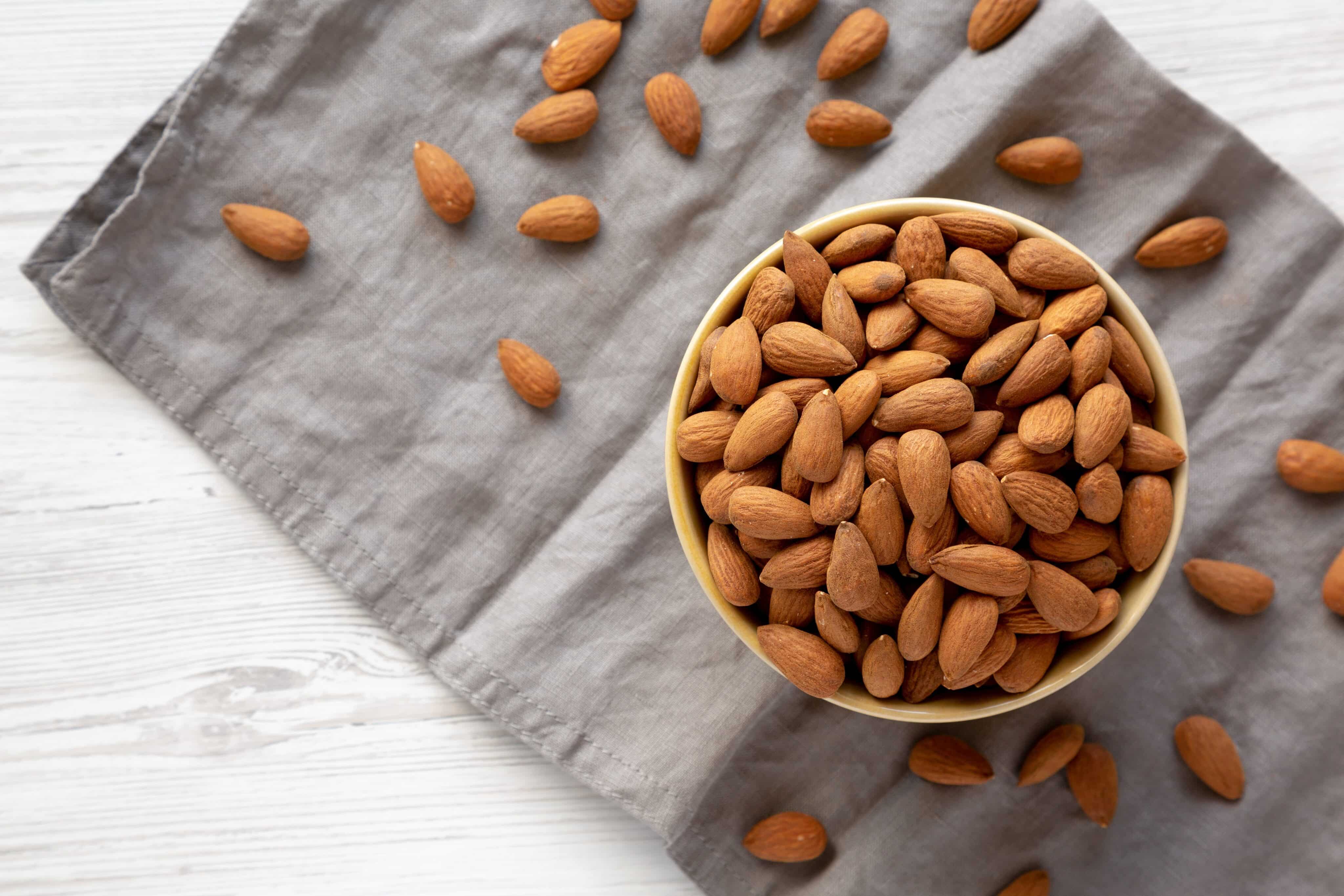
Living to 100 is less about rare genes and more about the everyday foods quietly shaping your health right now.
Reaching the age of 100 might seem like winning a genetic lottery to many people, but research suggests your grocery list plays a massive role. Those vibrant communities known as Blue Zones, where people frequently live past a century, rely heavily on what they put on their dinner plates. We have compiled a list of specific ingredients that act as fuel for a long, healthy life, without needing a magic potion. Learn more
10 foods with more blood pressure benefits than beets

Beets get all the credit for lowering blood pressure, but they’re far from the best option.
We have all heard the hype about beet juice being the miracle elixir for hypertension, and the science technically supports it. However, relying solely on beets is like patching a tire with duct tape because the effects are incredibly temporary and often vanish within a single day. While beets can offer a quick fix, they do not provide the sustainable, long-term support your cardiovascular system needs to stay stable. Learn more.
15 eating habits that can help improve hormone balance after 45

Hormones often feel like the wild card of midlife. In women past 45, hormone levels begin to fluctuate and can have an impact on things as varied as mood and metabolism. Do you know that the World Health Organization says most women experience menopause between the ages of 45 and 55 years?
This normal change reduces the amount of estrogen in your body and alters your physiology. It is estimated that approximately ¾ of women experience menopausal symptoms connected to the hormonal fluctuations that affect energy levels and weight. Learn more.





