

Some boys learn to hate their bodies long before they’ve finished growing into them. They won’t always say it out loud, but it leaks out in jokes about “bulking season,” side‑eye at the mirror, and the quiet way a shirt suddenly always stays on at the pool.
A Growing Up Today Study found that around one in four male children and teens in the U.S. are already worried about how lean, toned, or “defined” they look.
Globally, the National Eating Disorders Association estimates that roughly one in three people with an eating disorder is male, and up to 10 million boys and men in the U.S. will struggle with one at some point in their lives.
Boys are being taught that their worth is measured in muscle, not in who they are, and it’s messing with their self‑worth in ways we can’t afford to ignore.
1. Boys Are Quietly Joining The Body‑Image Crisis
Boys are in a body‑image crisis, too; they just got left out of the brochure. Roughly a quarter of male children and teens in the U.S. already worry about how lean and “toned” they look, chasing more definition like it’s a full‑time job.
In Australia, about 12 percent of boys meet criteria for an eating disorder, which blows up the idea that this is only a “girls’ issue.” A 2025 NIH‑backed review in The Lancet warns that muscle dysmorphia and muscularity worries in boys have surged over the last 30 years, and that adolescent males actually show worse muscle dysmorphia symptoms than girls.
The twist is that parents, teachers, and even doctors often aren’t looking for this in boys, so a lot of their pain slips through the cracks.
2. The “Big And Shredded” Ideal Is Teaching Boys To Hate Normal
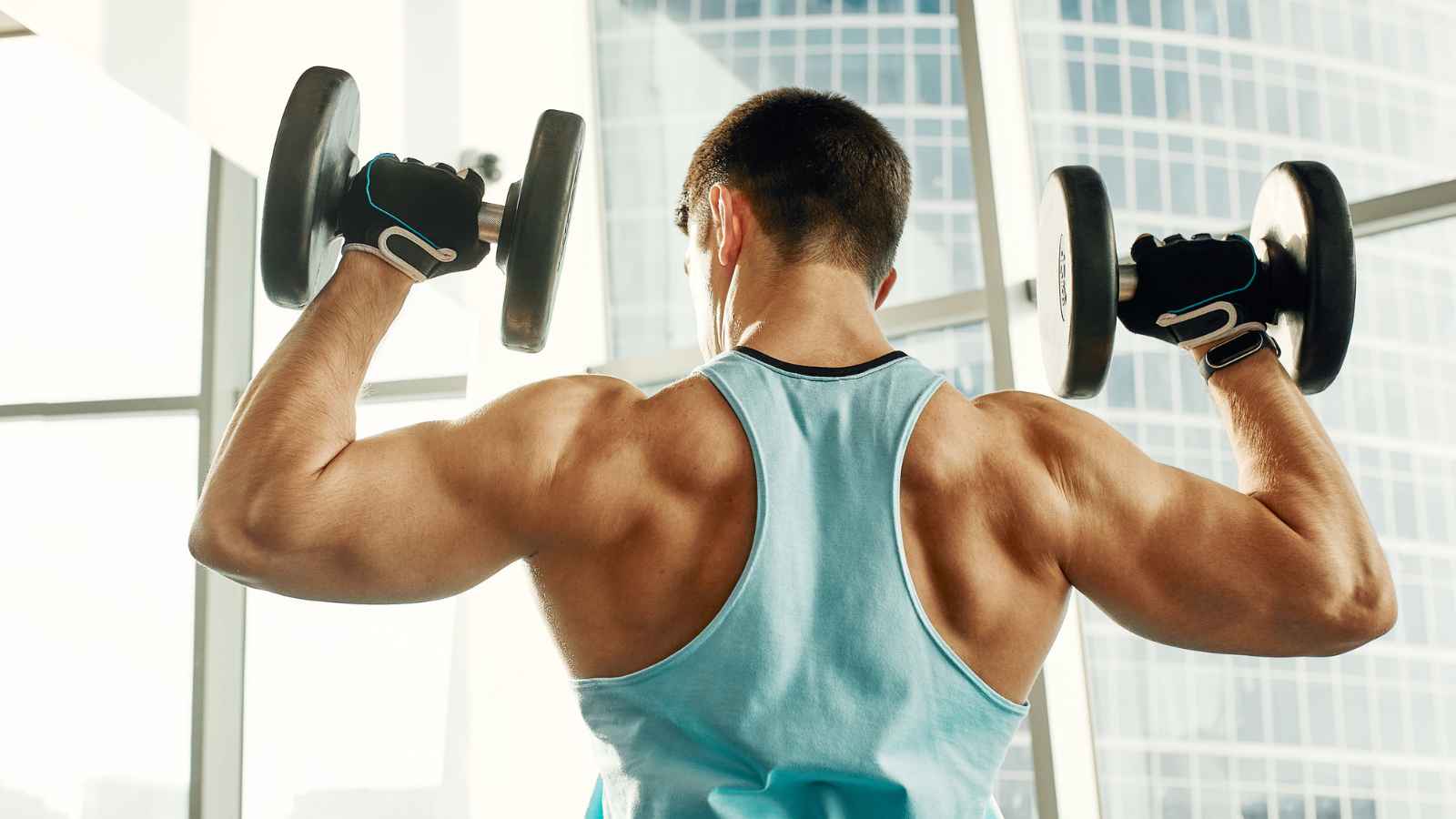
There’s an awkward stage where you’re technically fine, but your brain says, “Nope, too small, upgrade required.” About 17 percent of adolescent boys see themselves as underweight even when doctors would call their size perfectly normal.
When boys are shown super-muscular “ideal” images, their satisfaction with their own muscles and overall appearance drops compared to boys who see neutral images. A study exposed men to photos of competitive bodybuilders and found that the guys walked away wanting bigger muscles, praising very muscular bodies more, and feeling more tired and down afterward.
3. Social Media Is A 24/7 Mirror That Never Blinks
Scroll, double‑tap, compare, repeat; it looks harmless until you realize your brain is keeping score. A 2024 Ballard Brief report on teens found that about 40 percent say social media makes them worry about how their bodies look, which means almost half of the comment section is low‑key stressed about their own selfies.
In one UK survey, 26 percent of boys said images on social media made them worry about their appearance. A Brunel University study of physically active men also found that the more they used social media, especially passive scrolling, the more they focused on their looks, wanted bigger muscles, and felt worse about their appearance overall.
The researcher pointed out that just silently browsing idealized bodies ramps up awareness and a drive for muscular physiques, which sounds a lot like turning your feed into a daily self‑esteem test.
4. Boys Feel The Pressure, They Just Don’t Have The Words
A lot of boys do feel crushed by body expectations, but can’t find language that doesn’t make them feel weak for saying it. A 2025 NIH‑supported study found that boys talked more openly about body‑image pressure in groups of other boys, and they were quick to insist their experience is “different from girls’” but just as real.
One 16‑year‑old said, “I feel like there’s more body‑image pressure among boys, it’s just not talked about that often,” and the other boys in the room nodded along. A Rutgers psychologist told The Washington Post that many boys literally lack the vocabulary to explain their worries, even while they obsess over how muscular and “manly” they look.
So instead of saying “I’m scared I’m not enough,” they say nothing, and that silence does its own kind of damage.
5. Bulking Culture Makes Disordered Habits Look Normal
Protein shakes, gym selfies, “just bulking, bro” jokes; it can all sound like harmless fun until you check the numbers. In a long‑term U.S. study following 4,701 boys, 23 percent were using unhealthy muscle‑building behaviors after a year, climbing to 30 percent after seven years.
More than half of males during adolescence and young adulthood reported using protein supplements, such as powders and shakes. A Canadian study found that around three‑quarters of young boys and men had used some kind of appearance‑ or performance‑enhancing substance to tweak their bodies.
These patterns can be a sign of muscle dysmorphia, a condition with serious mental, social, and physical consequences that often hides under the friendly label of “fitness.”
6. Steroids And “Legal” Muscle Boosters Can Be A Slippery Slope

A lot of stories start with “It’s just a supplement” and end in places nobody planned to go. University of Minnesota research found that about 6.7 percent of males reported using anabolic steroids over their teen and young adult years.
In that same group, boys who used protein supplements were roughly twice as likely to be using steroids eight years later compared to those who skipped the powders. An earlier study reported that around 5 percent of middle and high schoolers had already tried anabolic steroids to bulk up.
Up to one‑third were using what researchers called “unhealthy” bulking methods, including extreme behaviors and risky substances.
Save this article
7. Muscle Dysmorphia Is A Funhouse Mirror In The Brain
Muscle dysmorphia is what happens when the inner critic turns into a full‑time bully, whispering that nothing you build is ever enough. A 2022 study estimated that about 2.2 percent of adolescents meet criteria for muscle dysmorphia, with boys more likely to report extreme preoccupation with muscularity and workout routines that crash into school, friendships, and sleep.
In a large Australian sample, 44.1 percent of male adolescents endorsed concerns pointing toward muscle dysmorphia. Boys dealing with this are more likely to report steroid use, obsessive training, and serious problems functioning day to day. Yet clinics often miss the signs because they still expect body image issues to look like dieting in girls, not endless bulking in boys.
8. Looking Like A “Man” Has Become A Full‑Time Job
Somewhere along the line, the male body shifted from “tool for living” to “project for judging.” When guys internalize media images of the “ideal” male body, they spend more time monitoring their appearance, feel more body shame, and develop a stronger drive for muscularity.
A Washington Post feature on boys’ body image describes how young males are constantly bombarded with exaggerated physiques on sports covers and from celebrities like Dwayne “The Rock” Johnson, then quietly judge themselves against those out‑of‑reach shapes.
Psychologists argue that when the male body becomes something to perfect rather than a vehicle to live in, boys start measuring their worth by abs and arm size instead of kindness, creativity, or joy.
9. Very Young Boys Are Already Considering Extreme Moves
We like to think kids that age are worrying about homework and games, not chemical shortcuts to bigger biceps. Yet a UK survey found that 36 percent of adolescents said they would do “whatever it took” to look good. Among secondary school boys, one in ten said they would consider taking steroids to reach their body goals.
The same report linked body dissatisfaction in young people with risk‑taking behaviors and poorer mental health outcomes. So you get this unsettling picture of boys who can’t even grow a full beard yet already weighing the pros and cons of drugs just to match an Instagram torso.
10. Body Ideals Are Entangled With Mental Health And Suicide Risk
This isn’t just about feeling awkward in the locker room; for some boys, it’s about whether they want to be here at all. A 2024 U.S. brief found that teens who see themselves as very fat or very skinny are roughly twice as likely to think about or attempt suicide compared with peers who see their size as normal.
About 18.5 percent of adolescents report body‑image dissatisfaction, and those kids consistently report more depression and anxiety symptoms. Studies exposing adolescent boys to muscular‑ideal images found not only a drop in body satisfaction but also increases in depression and anxiety right afterward.
11. Sports Aren’t Always A Shield; Sometimes They Sharpen The Knife
Sports often get sold as the cure for low confidence, and sometimes that’s true, but not for everyone. NCAA health data show that male student‑athletes report serious weight and body‑image concerns, feeling pressure to hit a specific look tied to performance and scholarships.
Research from Minnesota found that student‑athletes were more likely than non‑athletes to use many muscle‑enhancing methods, including unhealthy ones, while steroid use rates were similar in both groups.
Rising pressure on young men to bulk up means coaches and doctors should treat supplement use as a possible red flag for future steroid use, not just a normal part of training. For some boys, the field or court becomes a stage where their bodies are graded every day, and the scoreboard includes their shoulders and waistline.
12. Boys’ Pain Is Overlooked, So It Gets Louder In Their Heads
One of the cruelest parts of this whole story is how invisible boys’ suffering can be. A 2025 NIH‑linked study reported that boys feel their body‑image struggles are “not talked about that often,” which can deepen shame and keep them from asking for help.
Many parents are startled to discover their sons are the ones obsessing over appearance, because they still assume body issues mostly belong to girls. This blind spot lets boys’ body dissatisfaction, disordered eating, and muscle dysmorphia dig in deeper before anyone notices, which makes recovery harder.
They care deeply about how they’re seen, especially around masculinity and muscularity, but they don’t express these worries as openly as girls. When a culture can spot a girl who diets but not a boy who over‑trains, boys learn to hurt in silence and call it strength.
Takeaway
Boys’ body-image struggles are real, common, and often dangerously overlooked. The pressure to be bigger, leaner, harder, and more “defined” is not just harmless gym culture. For many boys, it can fuel shame, anxiety, disordered eating, risky supplement use, steroid curiosity, obsessive training, and muscle dysmorphia.
The hardest part is that boys are often taught not to name this pain. They may joke about bulking, hide their bodies, compare themselves online, or train compulsively instead of saying, “I don’t feel good enough.” Parents, teachers, coaches, doctors, and friends need to recognize that boys can suffer from body dissatisfaction too, even when it looks different from the warning signs we are used to seeing in girls.
A healthier message has to start early: boys are more than their muscles, their size, their abs, or how closely they match an online ideal. Strength should include rest, emotional honesty, kindness, and the ability to ask for help. When we stop treating boys’ silence as proof that they are fine, we give them a better chance to grow into their bodies without learning to hate them first.
More Articles:
- Is looksmaxxing reshaping teen boys’ self-image? 12 trends experts are watching
- AI Chatbots Can Trigger Psychosis: 12 Alarming Signs Mental Health Experts Are Watching
- The 10 psychological and social factors behind attraction to “bad boys”
Disclosure: This article was developed with the assistance of AI and was subsequently reviewed, revised, and approved by our editorial team.
**Like our content? Be sure to follow us on Newsbreak.





