Americans still identify with Christianity in large numbers, but the gap between faith identity and actual Bible engagement has quietly become one of the biggest shifts in modern religious life.
Pew Research Center reports that while a majority of Americans still identify as Christian, only about 20–30% attend religious services weekly, and even fewer report daily engagement with scripture.
Barna Group studies on Bible engagement also show that consistent Bible reading has declined over the past decade, especially among younger adults. Interest in spirituality remains strong, yet patterns of engagement reveal a shift toward selective reading, digital summaries, and occasional reference rather than routine study. Desire for spiritual meaning persists, but action often reflects time constraints, digital distraction, and changing religious habits.
Scripture is used more for reference than routine reading
Barna Group’s Bible Engagement research shows many Christians engage with scripture only during holidays, crises, or sermons rather than through consistent daily reading.
Pew Research Center findings on religious practice also highlight that habitual religious behaviors have declined across younger demographics. This pattern suggests a shift from structured engagement to situational usage. In practice, scripture often functions like a reference tool rather than a daily discipline, similar to how people consult a manual only when a specific issue arises instead of reading it continuously.
Reliance on sermons replaces personal study time
Many believers primarily encounter Bible content through church sermons or online preaching. Pew Research Center data indicates that digital religious consumption has increased significantly, especially through streaming platforms. Religious educators note that while sermons provide interpretation, they often reduce the need for independent textual engagement. In practice, individuals may rely on curated teaching rather than reading scripture directly, similar to learning a subject entirely through summaries instead of original texts.
Bible apps are installed but rarely opened
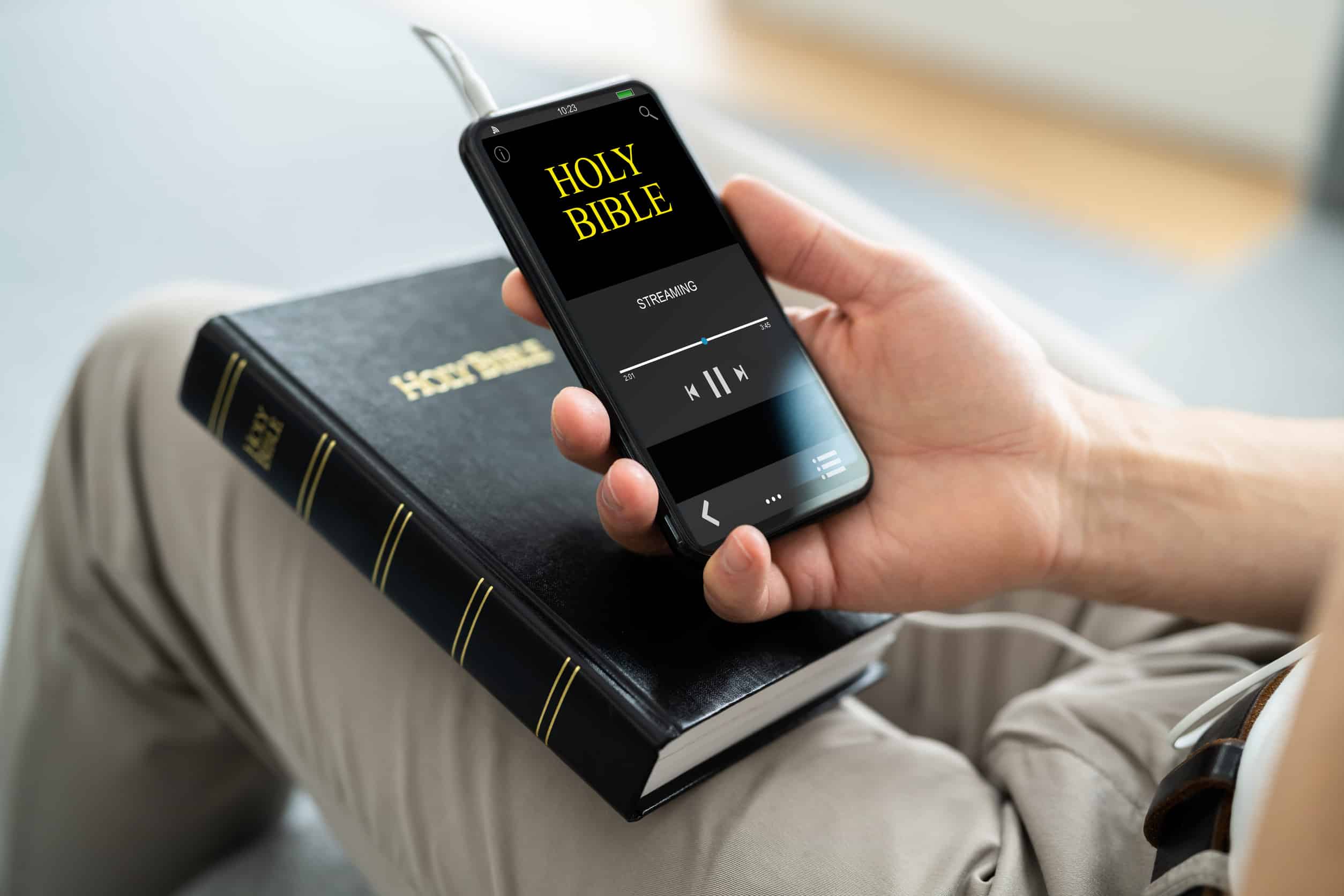
Digital religion research from the American Bible Society shows high installation rates of Bible apps but significantly lower consistent usage. Many users report occasional engagement rather than daily reading. This reflects a broader digital behavior pattern where intention does not always translate into sustained usage. In practice, scripture becomes part of a digital ecosystem of apps that are downloaded for motivation but not consistently integrated into daily routines.
Scriptural familiarity is often based on memory or cultural exposure
Sociological studies of religious literacy show that many Christians recognize Bible stories more from cultural exposure than direct reading. Pew Research Center findings suggest that religious knowledge varies widely even among self-identified believers. In practice, familiarity often comes from films, sermons, and childhood teaching rather than continuous personal study, leading to partial rather than comprehensive understanding.
Selective reading focuses on favorite verses only
Barna Group research indicates that many Christians engage with scripture in a “verse-selective” way, focusing on encouraging or well-known passages. Scholars of religious behavior describe this as fragmented engagement rather than contextual reading. In practice, individuals may repeatedly return to specific verses while avoiding broader narrative sections, similar to reading highlighted quotes instead of full chapters.
Declining memorization of scripture passages
Religious education studies in the U.S. show a decrease in scripture memorization compared to previous generations. Pew Research Center data on religious practice trends supports the broader decline in structured religious learning outside formal settings. In practice, fewer individuals retain long passages, instead relying on digital access when needed, reflecting a shift from memorization to instant retrieval.
Save this article
Bible reading is often crisis-driven rather than routine
Research from the American Bible Society shows that many individuals turn to scripture during life challenges such as illness, grief, or financial stress. This pattern reflects situational engagement rather than habitual practice. In practice, scripture functions as emotional support during difficult periods rather than a consistent daily guide, similar to consulting a counselor only during emergencies rather than regularly.
Limited understanding of historical and cultural context
Religious literacy studies show that many readers engage with scripture without deeper historical or linguistic context. Pew Research Center findings highlight gaps in biblical knowledge even among regular churchgoers. Scholars note that understanding context often requires structured study, which is less common in informal reading habits. In practice, this can lead to surface-level interpretation rather than contextual understanding of passages.
Digital distractions reduce sustained reading time
Research on attention spans and digital behavior from institutions like Microsoft and Pew indicates that frequent smartphone use reduces sustained focus periods. This affects reading habits, including scripture engagement. In practice, Bible reading competes with notifications, short-form content, and multitasking, leading to shorter and less consistent engagement sessions.
Faith identity exists without consistent scriptural practice

Pew Research Center consistently finds that many individuals identify as Christian even with irregular religious practice. This reflects a distinction between cultural identity and behavioral practice. In practice, faith may be expressed through values, holidays, or traditions rather than ongoing scripture reading, similar to cultural identity maintained without daily ritual participation.
Takeaway
The data does not suggest that faith is disappearing. Instead, it points to a transformation in how religion is practiced, consumed, and prioritized in everyday life. For many Americans, belief remains deeply personal, but consistent engagement with scripture is increasingly occasional, selective, and shaped by the realities of modern digital culture.
You may want to also read:
- 10 everyday habits the Bible quietly warns against
- 12 behaviors the Bible actually labels as sin
- 12 ancient Bible prophecies that skeptics admit came true
Disclosure: This article was developed with the assistance of AI and was subsequently reviewed, revised, and approved by our editorial team.
**Like our content? Be sure to follow us on Newsbreak.