Australian dietitian Joe Leech founded Diet vs Disease after seeing the same frustrating pattern over and over again: people with chronic gut symptoms bouncing between food lists, supplements, conflicting advice, and temporary fixes, yet never feeling like they truly understood what was happening in their own bodies.
What began as educational articles and videos has evolved into a comprehensive online gut health program designed to help clients move beyond confusion and symptom management toward a more structured, personalized path forward. Today, Diet vs Disease combines specialist dietitians, coaching, gut-brain support, testing guidance, and practical implementation to help people stop guessing and start rebuilding confidence around food and daily life.
We spoke with Joe about why so many people stay stuck for years, the common mistakes he sees in IBS and chronic gut health recovery, and how Diet vs Disease now approaches digestive wellness very differently from the typical “cut more foods and hope for the best” model.
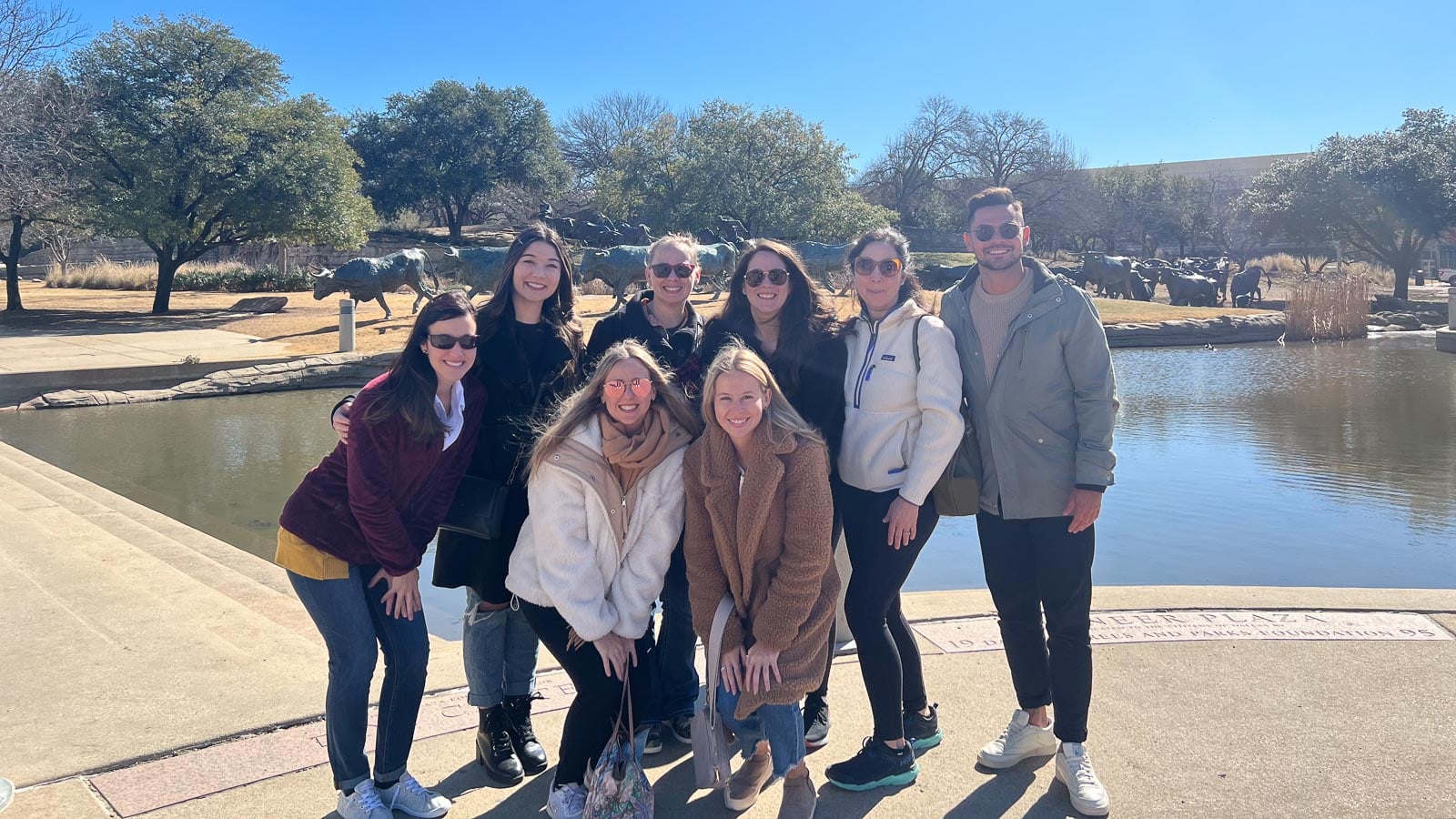
Image credit Diet vs Disease.
Dédé: For readers meeting you for the first time, who are you and what is Diet vs Disease?
Joe: I’m an Australian dietitian and the founder of Diet vs Disease.
At the simplest level, we help clients with ongoing gut issues figure out why they feel the way they do and what to do about it.
What started as articles and videos has grown into a specialist online programme. So instead of trying to stitch together advice from Google, social media, forums and random practitioners, clients can get proper guidance from dietitians who do this work every day.
How did you first become interested in gut health and the low FODMAP diet?
I studied dietetics in Australia, so I was lucky to come across the low FODMAP approach quite early, around the time Monash University were first publishing their research.
Later, working in hospitals, private practice and online, I kept seeing the same thing. Clients were being given bits of advice, but not a process they could actually follow.
That was a big reason I built Diet vs Disease. Most clients don’t need more information for the sake of it. They need the right order, the right interpretation, and help applying it to their own case.
“When I joined, I was looking for guidance and ideas for help beyond what my experience had been. I couldn’t have dreamt up what was made available to me. Coaching, testing, learning, therapy, support groups, and community just scratch the surface. Truly life-changing. I cannot recommend high enough.” 5+ Star Review
Robin Anthony, client
A lot has changed since we met you back in 2019. What feels most different about your work now?
The biggest difference is that we’ve moved way beyond education alone.
Years ago, a lot of clients came to us for articles, food lists and self-directed help. That still has value. But over time it became obvious that information on its own usually doesn’t get clients all the way there.
They start an elimination diet and stay on it too long. They get nervous about reintroducing foods. They try three supplements, then another probiotic, then a totally different opinion from someone online.
Now the focus is much more on helping clients move through a proper process, not just giving them more things to read.
What do you think is missing from the conventional approach to chronic gut symptoms?
A lot of clients are told some version of cut foods, take a probiotic, manage stress, take medication, and hope for the best.
Sometimes one of those things helps. But most chronic gut issues are not solved by one change or approach.
You have to look at the whole picture, symptoms, history, triggers, testing when appropriate, the gut-brain side of it, and what happens after early symptom relief when it’s time to rebuild food tolerance and confidence.
That’s where a lot of clients get stuck.
“The knowledge base of the staff is incredible! They readily shared in a way that educated me about food and the gut. Their patience, knowledge, caring attitude, and availability were truly incredible! It was evident that their goal was to help their clients heal and to teach them life long strategies for maintaining a healthy gut. I’m hoping there are options for follow up over the course of the next year should I need help! For me, this proved to be an effective alternative to the traditional medication based medical system.” 5+ Star Review
Alice from kansas
What are the biggest mistakes people make when trying to fix IBS or other gut issues on their own?
The first is staying in elimination mode for far too long.
The second is copying what worked for someone else and assuming it should work for them too. Gut issues are personal. The right next step depends on the symptom pattern, the history, the context, and sometimes the testing.
I also think a lot of clients confuse short-term symptom relief with real progress. Feeling a bit better for a week is good, but that’s not the same as understanding what’s driving the problem and building back towards a normal life.
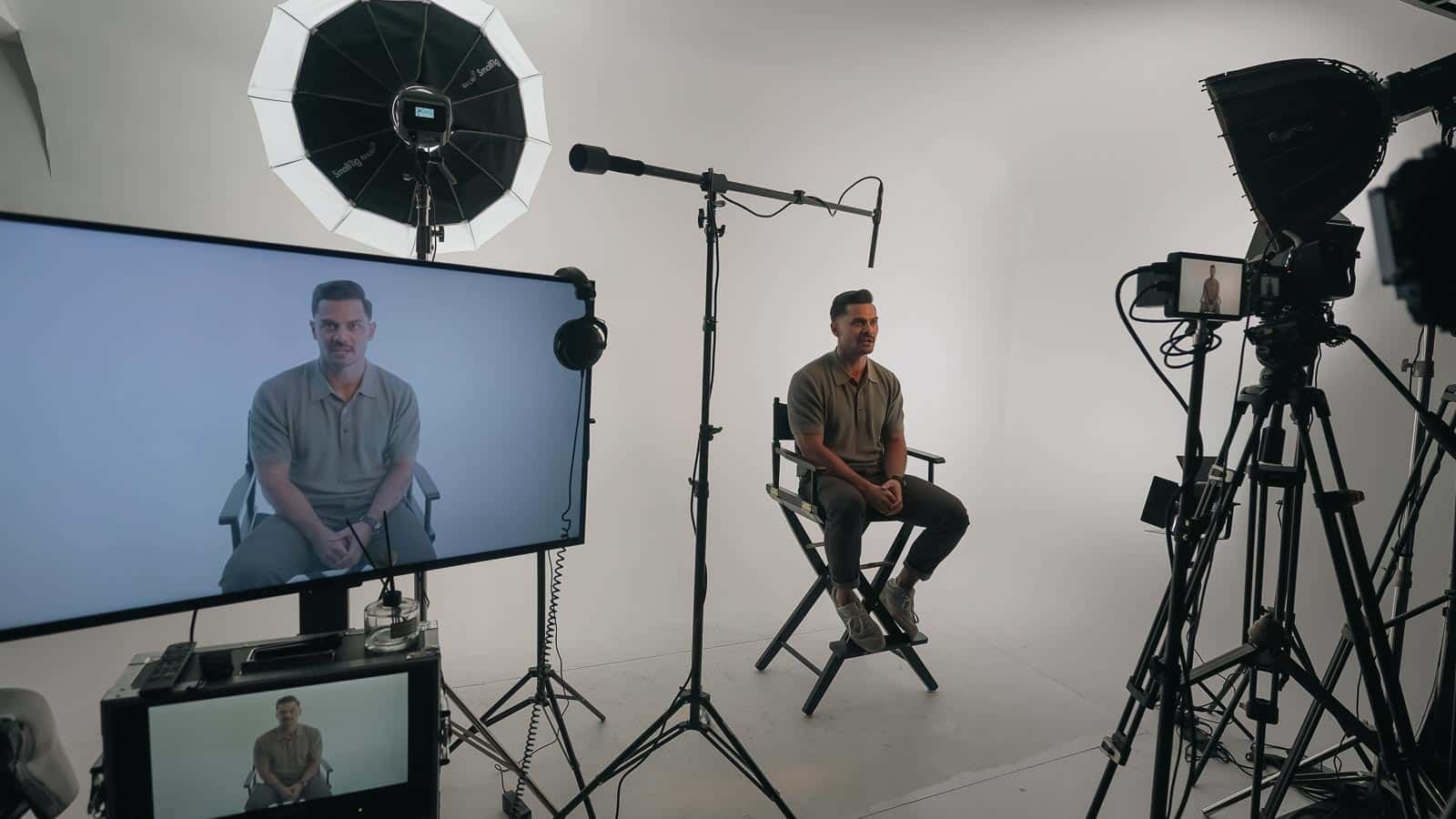
Image credit Diet vs Disease
You now talk about your premium program and the 4-SURE pathway. What is that?
It’s the framework we use to help clients move from barely coping to actually feeling confident around food and life again.
First, we focus on symptom relief. When someone is reacting to everything they eat, it’s very hard to think clearly or make good decisions.
Second, we work to understand the root cause and the right next steps. Depending on the case, that can include appropriate testing.
Save this article
Third, we rebuild. That means reintroducing foods properly, rebuilding confidence, and helping clients stop living on the same “safe foods” that so many get stuck with.
The final stage is freedom. Eating out without stress. Traveling without fear. Waking up without your gut being the first thing you think about.
You also talk a lot about the gut-brain connection. Why is that such a big part of the work?
Because for a lot of clients, it is a big part of the picture.
Diet matters. But diet alone often isn’t enough, especially when stress, food fear, hypervigilance, or long-standing gut sensitivity are involved.
If you ignore the gut-brain side, clients might improve a bit but still feel fragile. They’re still anxious about symptoms, still second-guessing food, and still one bad flare away from feeling like they’re back at the beginning.
So for us, a proper gut health approach has to look at both sides.
Can you tell us a bit about the team behind Diet vs Disease?
I’m not doing this alone anymore.
We now have a team of specialist dietitians, counsellors, health coaches, mindset experts, gut-directed therapists and support staff helping clients around the world. Our dietitians are trained in the low FODMAP approach, and the big advantage of that team model is that clients are not left trying to troubleshoot everything by themselves.
That has changed the quality of support we can give in a big way.
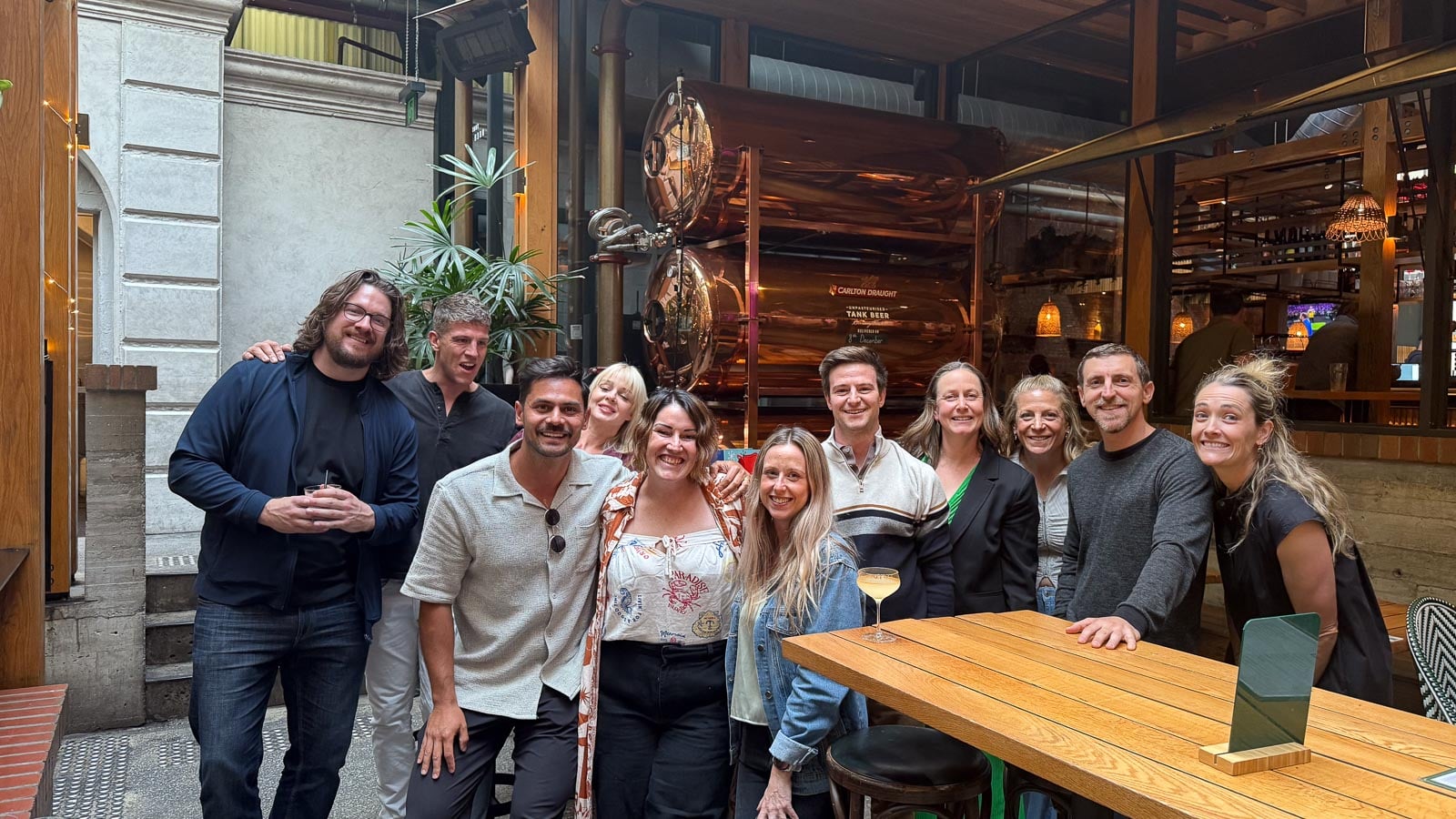
Image credit Diet vs Disease.
Who is the best fit for working with your team?
Usually it’s someone who has been dealing with symptoms for a while and is tired of guessing.
They may have tried food lists, online advice, supplements, tests, or a few different practitioners, but they still don’t feel like they have a clear plan.
They don’t need the most complex case in the world. They just need to be ready for a more structured and personalised process instead of another generic fix.
“Diet vs Disease changed my life. After struggling with IBS for years and never getting clear answers on how to live with it, this program was a godsend. My dietician Emily was so informative, kind, and helpful throughout the whole process. It does take dedication and work, but in the end it is SO worth it. I learned so much and I now feel like I have the resources to take care of myself. I feel like I have got my life back after years of feeling helpless and hopeless with my IBS diagnosis. I couldn’t recommend this program enough to anyone who is struggling with gut issues.” 5+ Star Review
Kayli SMIth, client
If someone wants to learn more, where should they start?
The best place to start is our free training.
That goes through the process in much more detail, including why so many clients stay stuck, the mistakes we see most often, why symptom management on its own usually isn’t enough, and how our framework works in practice.
If someone watches that and feels like it sounds like them, the next step is to book a free assessment call with our team. That gives us a chance to understand their situation and see if our premium programme is the right fit.
Is there anything else you want readers to know?
Yes. A lot of clients with chronic gut issues start to believe this is just their life now.
They get used to cancelling plans, eating the same few foods, worrying before meals, and building their day around symptoms.
It doesn’t have to stay that way. With the right guidance, most clients can make far more progress than they think. The key is getting the right plan for their body, not collecting more random advice.
If you’re tired of guessing your way through gut symptoms and want a clearer, more personalized plan, watch Joe Leech’s free training to learn how Diet vs Disease helps people move beyond food fear and finally make lasting progress.