

Aesthetic procedures have sparked a wider conversation about where personal expression ends and societal pressure begins.
Recent commentary from high-profile performers has reignited debate over how cosmetic treatments affect theatrical authenticity. As minimally invasive procedures reach record adoption rates globally, industry analysts are examining how celebrity influence intersects with clinical aesthetic trends.
Data indicates that non-surgical enhancements have evolved from niche cosmetic options into standard aesthetic practices across diverse demographics.
The Hollywood Pressure and Actor Perspective
Actor Andrew Garfield highlighted the intense societal expectations governing physical appearance, emphasizing how public figures shape normative beauty standards.
In a featured interview with co-star Claire Foy for Vanity Fair, Garfield addressed the professional trade-offs of facial neuromodulators. Garfield observed that societal pressure forces individuals, particularly women, to undergo cosmetic modifications to meet rigid visual standards.
“I think there is a responsibility that we have being in the public eye to take care of our faces in a natural way,” Garfield reflected during the interview. He added that broader consumer audiences look to public figures to define aspirational beauty norms.
From a biomechanical standpoint, botulinum toxin type A blocks acetylcholine release at the neuromuscular junction, temporarily limiting muscle movement. For screen actors, this muscular relaxation can smooth rhytids, but it may also inhibit subtle micro-expressions required for emotive storytelling.
Related: At 64, Rosie O’Donnell Comes Clean About Her Secret Facelift: ‘More Than I Have Ever Paid for a Car’
Quantitative Trends in Neuromodulator Procedures
Industry data demonstrates an unprecedented surge in minimally invasive cosmetic treatments, driven by widespread adoption and expanding commercial accessibility.
According to annual tracking reports from the American Society of Plastic Surgeons (ASPS), neuromodulator injections reached 9,883,711 procedures in 2024. This figure represents a 4.0% increase over the 9,480,949 procedures documented in 2023.
Long-term statistical tracking reveals that annual neurotoxin administrations surged by 459% between 2000 and 2020. The global botulinum toxin market reached $6.73 billion in 2024 and is projected to reach $11.29 billion by 2031.
Save this article
Demographic Shifts and Gender Dynamics in Cosmetic Medicine
While women continue to represent the vast majority of cosmetic procedural volume, male participation and preventative youthful adoption show consistent upward trajectories.
Demographic reports from the ASPS indicate that women account for approximately 92% to 95% of all cosmetic interventions and 94% of neuromodulator treatments. However, male demand for non-surgical rejuvenation has grown steadily over the past two decades.
Male minimally invasive procedures increased by 75% to 99% between 2000 and recent survey periods, accounting for over 452,000 annual Botox treatments. Clinicians attribute this growth to men seeking an “executive edge” to maintain visual competitiveness in modern corporate environments.
Furthermore, patients aged 18 to 34 account for roughly 2.2 million annual treatments as “preventative” neuromodulation gains traction among younger cohorts.
Broader Implications for Aesthetic Medicine and Society
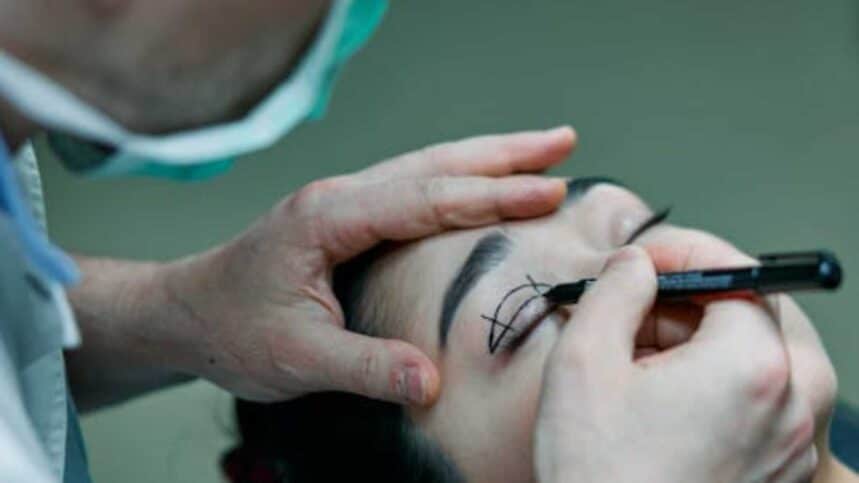
High-definition media standards and celebrity visibility create an accelerating feedback loop between public beauty ideals and clinical procedure volumes.
Garfield’s commentary underlines how public perception shifts as non-surgical enhancements become normalized across mainstream entertainment media. As camera technology advances, subtle facial features become magnified, pushing professionals to seek aesthetic maintenance.
At the same time, dermatologists note that minimal-downtime procedures make routine enhancements accessible beyond celebrity circles. The ongoing shift toward subtle, natural-looking outcomes suggests that patients increasingly value facial mobility alongside age management.
Strategic Synopsis of Cultural and Clinical Trends
Extensive market data and cultural commentary confirm that non-surgical facial enhancements are reshaping modern standards of visual presentation.
Neuromodulator treatments remain the leading non-surgical cosmetic procedure worldwide, exhibiting steady year-over-year expansion. Public dialogue driven by prominent actors is heightening awareness of the balance between natural emotional expression and aesthetic maintenance.
Broader clinical adoption among younger age groups and men highlights a long-term cultural shift toward normalized, preventative aesthetic care.
How might evolving views on natural aging among public figures reshape consumer attitudes toward cosmetic enhancements in the coming years?
More Articles You Might Like:
- From Fillers to Implants: Blac Chyna Breaks Down the Exact List of Plastic Surgeries She Has Undone
- “My Phone Didn’t Even Recognize Me”: Ruby Tuesday Matthews’ Face ID Fails After Cosmetic Surgery
- Dolly Parton Dies at 80: Her Remarkable Life Was Still Unfolding When the Music Stopped





