

If you’ve ever been to a drag brunch, you know the scene: sequins before noon, a show-stopping lip-sync, and a performer in towering heels who can turn a quiet room into part of the performance. For many people, it is simply entertainment built around music, comedy, costumes, and connection with an audience.
But in Texas, drag became the center of a major First Amendment fight.
On August 25, U.S. District Judge David Hittner permanently blocked Texas Senate Bill 12, a 2023 law regulating “sexually oriented performances” in public places or anywhere someone under 18 might be present. The law did not specifically name drag, though Gov. Greg Abbott described it as a ban on public drag performances.
Hittner ruled that the law was unconstitutionally vague and barred Attorney General Ken Paxton from enforcing it. To explain why he believed the law could reach too far, the judge turned to some unexpected examples: Elvis, Dolly Parton and Miley Cyrus.
So What Is a Drag Show, Exactly?
Most people have an image in their heads. The reality is usually much broader than the version that appears in political debates.
At its core, drag is performance. It combines costumes, makeup, music, comedy, and audience interaction, but the format can vary widely.
A drag show might be a lip-sync competition at a neighborhood bar, a comedy cabaret, a touring stage production, a pageant, a charity fundraiser, or a brunch where the meal and entertainment happen side by side.
The common thread is the performer creating a character and connecting with the audience. Some shows focus on impersonation, while others lean into storytelling, humor, or original performances.
That variety became central to the legal debate around SB 12. Supporters of restrictions often describe drag as one specific type of event, while performers and advocates argue that drag covers a much wider range of creative expression.
View this post on Instagram
How Drag Ended Up at Your Brunch Table
The move from late-night clubs to weekend restaurants followed changing audiences and a major shift in mainstream visibility.
Drag and dining have been connected for decades. San Francisco’s Hamburger Mary’s, founded in 1972, helped popularize the idea of combining a meal with live drag performances.
Drag brunches expanded over the following decades and became especially common from the mid-2000s onward. The arrival of RuPaul’s Drag Race in 2009 helped introduce drag to a much larger audience and made drag-themed entertainment more familiar outside traditional nightlife spaces.
That became one of the major complications surrounding SB 12. Because the law applied to performances where minors might be present, its impact was not limited to nightclubs. Restaurant owners, performers, and event organizers also had to consider whether ordinary entertainment could fall under the law’s definition.
Save this article
The Part Where Dolly Parton Entered the Courtroom
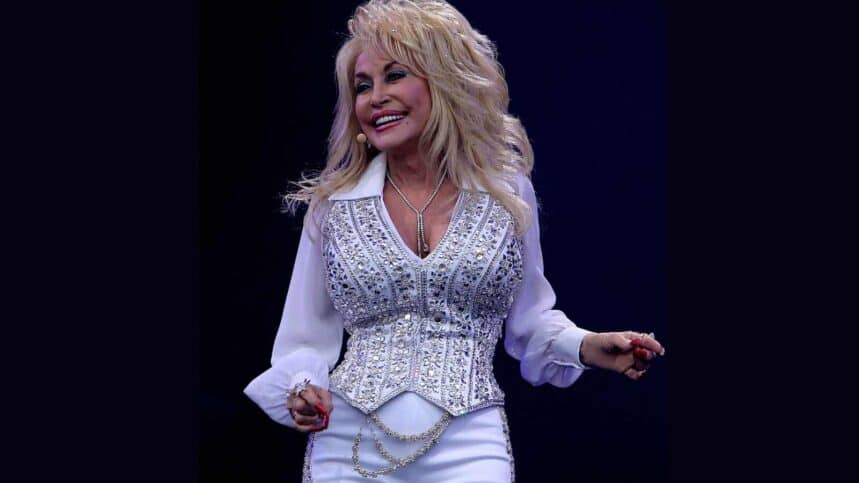
Judge Hittner used some of America’s biggest entertainment names to explain why he believed the law was written too broadly.
The judge’s main concern was SB 12’s wording. He argued that the law did not clearly define what qualified as appealing to “prurient interest” or who would decide whether a performance crossed that line.
“A single moment of eroticism could condemn an entire performance to criminal or civil penalties,” Hittner reportedly wrote. To show how far that language could reach, he pointed to famous moments in entertainment history.
“Just as many people criticized Elvis’s signature hip gyrations and were offended by his display of male sexuality, chastised Dolly Parton as a voluptuous sex symbol because of her big hair, flamboyant clothes and breast exposure, and shamed Miley Cyrus for ‘twerking’ on stage during a live performance at the 2013 MTV Video Music Awards, there are ‘erotic’ elements in countless popular performances that could be subject to both civil and criminal penalties under S.B. 12,” Hittner wrote.
He also mentioned cheerleading, ballet, live theater, dance competitions and Olympic swimmers as examples of performances that could raise questions under a broad interpretation.
For people who find drag performances offensive, Hittner offered a simple response: “The solution is relatively simple … just don’t go.”
The ruling came the same day Parton’s death was announced. Brigitte Bandit, a Texas drag performer and plaintiff who impersonates Parton, shared the decision online with the caption “Drag is free speech, b—-” and said she planned to perform as Parton at an Austin bar that Saturday in her honor.
Related: Dolly Parton, Country Music’s Beloved Queen, Dies at 80 After Brief Cancer Battle
The Stakes Were Real, and the Fight Isn’t Over
For the people involved, SB 12 was not just a cultural debate. It carried possible financial and criminal consequences.
The law allowed establishments to face civil fines of up to $10,000. Performers could face a Class A misdemeanor carrying up to one year in jail.
Hittner first blocked the law in September 2023. The Fifth Circuit later sent the case back for reconsideration after a Supreme Court ruling changed how courts evaluate First Amendment challenges. During that process, the earlier block was lifted, allowing the law to take effect before Hittner issued his latest decision.
This time, Hittner permanently blocked enforcement.
Paxton criticized the ruling, calling it “a profoundly flawed decision that endangers our children and is an affront to Texas values” and said he planned an immediate appeal. Kerry Lynn, founder of drag production company Extragrams and another plaintiff, described the fight as one against “discrimination disguised as concern.”
The case now heads back to the Fifth Circuit, where the next legal battle will determine whether Texas can defend a narrower version of the law or whether the court’s concerns about overreach will stand.
Have you ever been to a drag show, brunch, nightclub, cabaret, or otherwise, and what surprised you most about the experience?
More Articles You Might Be Interested in:
- 8 Landmark Events in U.S. History That Shaped the Nation
- 10 historic events that also happened on July 4th
- 10 must-watch TV shows boomers grew up with





