

The viral “don’t make your bed” advice has a real biological foundation, but the science behind it is much less dramatic than social media makes it sound.
A TikTok video by Dr. Sermed Mezher challenged one of the most deeply ingrained morning habits: making the bed as soon as you wake up. His argument focused on dust mites, microscopic creatures that thrive in warm, moisture-rich environments created by body heat and overnight sweating. The clip quickly sparked debate, with some viewers celebrating the idea of skipping the chore and others refusing to abandon their neatly tucked sheets.
The truth is more balanced. A bed does hold heat and moisture after hours of sleep, and airing out bedding makes practical sense. But experts say the issue is not whether a bed should be made. It is when.
The science behind the viral advice reveals a small adjustment that may help create a cleaner sleeping environment without turning a simple morning routine into a source of anxiety.
The Morning Routine Needs One Change, Not an Overhaul
Carolyn Forté’s advice on the bed debate is surprisingly simple: keep making the bed; just wait a little while.
Carolyn Forté, former executive director of the Home Care & Cleaning Lab at Good Housekeeping, points out that sweating during sleep is normal. Sheets and blankets also retain body heat overnight, leaving bedding warmer and slightly damp when someone first gets up.
Making the bed immediately can trap that moisture. Her recommendation is to pull back the covers, move the pillows aside, and let the bedding cool and dry before straightening everything.
“If you sweat at night, there’s dampness there and the bedding is warmed from your body heat, so you want to give it a chance to dry out and cool off before making the bed,” she says. “Allergens, like dust mites, and germs, like bacteria, thrive in warm, moist conditions.”
Forté suggests waiting about 30 to 60 minutes, although she recommends checking whether the sheets actually feel dry. Importantly, she is not arguing against making the bed. She calls the habit “an important step to keeping your home organized and tidy and a good habit to get into.”
The change is not abandoning the routine. It is simply changing the timing.
View this post on Instagram
Where This Idea Actually Came From
The argument against making your bed immediately did not start with TikTok. It traces back to a 2005 research project in the UK.
The idea is often linked to research at Kingston University involving Dr. Stephen Pretlove and colleagues from the university’s School of Architecture. The project was not a study about morning habits. Instead, researchers examined how indoor conditions such as heating, ventilation, insulation, and humidity influence house dust mite populations.
The theory was based on how mites survive. Unlike humans, dust mites do not drink water. They absorb moisture from the surrounding air, meaning a damp environment can help them survive.
Save this article
“Something as simple as leaving a bed unmade during the day can remove moisture from the sheets and mattress so the mites will dehydrate and eventually die,” Pretlove explained.
However, the finding often repeated online came from computer modeling that predicted temperature and humidity changes inside beds. Real-home testing was described as a planned next step, not a completed result.
That detail matters because the viral version of the story often sounds more conclusive than the research. The study offered a reasonable explanation for why airing out bedding might help, but it did not prove that making a bed every morning creates a major dust mite problem.
Related: 10 Personality Traits Common Among People who dont make their bed every morning
What Dust Mites Actually Need
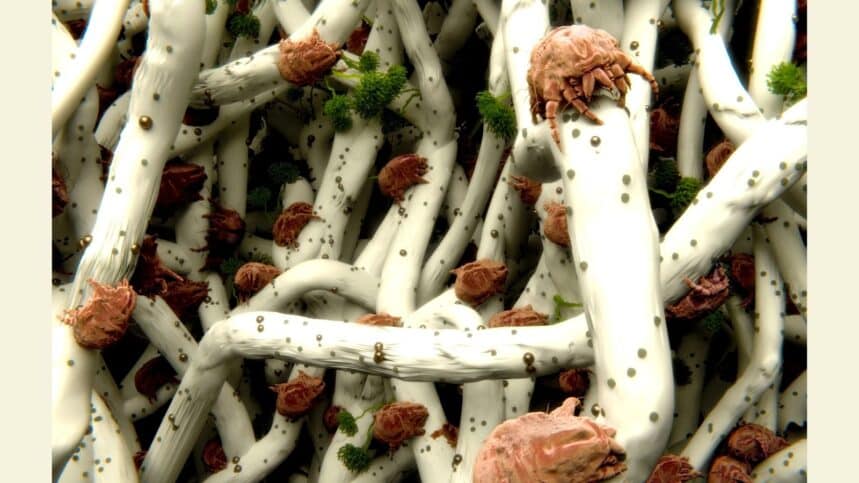
Dust mites are real household allergens, but their relationship with bedding is more complicated than a viral slogan suggests.
House dust mites are microscopic organisms that feed on shed human skin cells. For people who are sensitive to them, they can contribute to allergy symptoms such as congestion, sneezing, and nasal irritation.
Humidity is one of the biggest factors affecting their survival. Allergy guidance commonly recommends keeping indoor humidity below 50%, since lower moisture levels make homes less favorable for mites.
Beds attract attention for a simple reason: they create a temporary warm, humid environment overnight. Body heat and moisture released during sleep can raise humidity beneath blankets, even if the rest of the room remains relatively dry.
That does not mean leaving a bed unmade will eliminate mites. Bedding materials, ventilation, washing habits, and overall indoor humidity all play a role. Airing out sheets is just one small part of a larger approach.
The Practical Takeaway Is Simple
A cleaner bedroom routine does not require giving up the satisfaction of a freshly made bed.
For anyone interested in trying the advice, the adjustment is easy: pull back the covers after waking, let the bedding breathe while starting the morning, and make the bed later once it has had time to dry.
Forté also recommends protective pillow covers and mattress pads to help keep bedding cleaner. Regular washing, vacuuming, and managing indoor humidity remain the bigger pieces of the puzzle.
The online debate turned a small household habit into a much bigger argument about cleanliness, but the science points to a middle ground. Making the bed is not the problem. A little airflow before making it may simply be a smarter way to do it.
Morning routines are deeply personal. Has a piece of health or wellness advice ever changed a habit you once thought you would never give up?
More Articles You Might Be Interested in:
- 8 Bedtime Habits of Successful People in Their 60s
- 12 benefits of going to bed early
- 12 habits that made Boomers tougher (and happier) than most generations





