
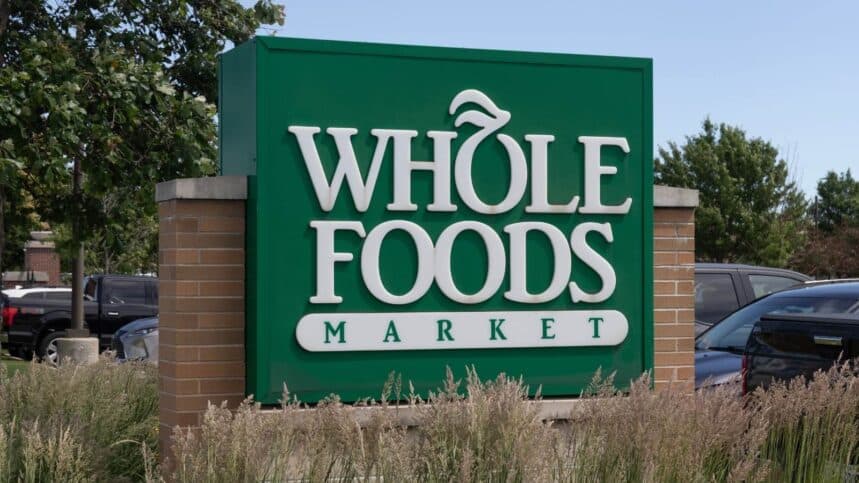
Whole Foods has pulled a range of guacamole, salsa, pico de gallo, and prepared foods from its shelves after confirming the products contained jalapeños linked to a Salmonella investigation now spanning 32 states.
The recalled items all contained jalapeños supplied by Coast Citrus Distributors. Those peppers have been connected to the wider outbreak under FDA investigation.
The FDA classified the recall as Class I, its most serious category. That classification is used when there is a reasonable probability that eating a product could cause serious illness or death.
As of the FDA’s August 19 update, the broader outbreak had sickened 431 people. Fifty-seven had been hospitalized. No deaths had been reported.
The FDA did not identify Whole Foods as the source of the outbreak. The retailer was brought into the recall after finding that some of its products contained the implicated jalapeños.
The Recall Traced Back to a Jalapeño Supplier
The guacamole, salsa, pico de gallo, and prepared foods were all different items, made in different ways, but they shared one ingredient.
Whole Foods confirmed that the affected products contained jalapeños from Coast Citrus Distributors. The FDA traced those peppers to a grower in Sinaloa, Mexico.
That traceback linked the grower, the distributor, and the various products that eventually reached store shelves.
Once it made that connection, the FDA advised consumers, retailers, and restaurants not to eat, serve, or sell the recalled jalapeños or any foods made with them.
Why a Class I Recall Is Serious
The FDA reserves Class I status for its most serious recalls.
It applies when there is a reasonable probability that exposure to a product will cause serious adverse health consequences or death.
That does not mean the FDA has determined the recalled Whole Foods products actually made anyone sick. It means the potential risk was serious enough to warrant the highest level of recall action.
Whole Foods removed the affected products from its shelves. “We’ve pulled all recalled products from our shelves,” the company said.
No illnesses had been specifically linked to a Whole Foods product when the recall was announced, and the broader investigation has not publicly established such a link.
Whole Foods Came Into the Investigation Later
By the time Whole Foods announced its recall, the Salmonella investigation was already well underway.
Save this article
The outbreak involves Salmonella Javiana, with illness onset dates ranging from June 19 through August 2.
Restaurant chains were among the first businesses to respond. Chipotle switched jalapeño suppliers at affected locations on July 20. QDOBA removed jalapeños from its restaurants entirely on July 28.
On August 5, the FDA said its traceback and epidemiological work had pointed to a single grower in Sinaloa. Coast Citrus then agreed to recall whatever implicated product remained in circulation.
Whole Foods announced its own recall on August 12. Some of the affected products had best-by dates starting August 7. The FDA formally classified the Whole Foods recall as Class I on August 20.
The Outbreak Is Much Bigger Than the Whole Foods Recall
The Whole Foods recall is only one piece of a much larger outbreak.
The FDA’s August 19 update put the total number of illnesses at 431 across 32 states, with 57 hospitalizations and no reported deaths.
Investigators interviewed 224 people who got sick. Among them, 203, or about 91 percent, said they had eaten at a Mexican-style restaurant before falling ill.
That finding matters to the investigation because it points toward the restaurant side of the jalapeño supply chain. It does not mean those illnesses came from Whole Foods products.
The Whole Foods recall covered 12,995 units of Mild Guacamole Dip, along with other guacamole varieties, salsas, pico de gallo, and prepared foods listed in the retailer’s original recall notice.
So far, the FDA has not publicly connected any of the 431 illnesses to a product purchased at Whole Foods.
What Consumers Should Know
Anyone with one of the recalled Whole Foods products should not eat it.
One part of the investigation still remains unanswered: how the jalapeños became contaminated in the first place.
The FDA’s traceback work has pointed to the Sinaloa grower, but investigators have not publicly announced a final root cause for the contamination.
A container of guacamole may look like it has nothing in common with a jar of salsa or a prepared meal sitting somewhere else in the store. They can have different packaging, labels, and production processes.
One ingredient connected them all anyway. In this case, that ingredient was a jalapeño that moved through the supply chain from a grower in Sinaloa to Coast Citrus Distributors and eventually into Whole Foods products.





