

State health inspectors forced the emergency closure of fifty-one different Florida food service facilities over a two-week span due to severe pest infestations.
Between August 13 and August 26, 2026, authorities documented widespread sanitation failures involving active roaches, rodents, and flies across the state. The targeted establishments ranged from small independent cafes to massive food distribution warehouses that supply other local businesses.
These temporary closures highlight a significant ongoing battle to maintain proper commercial food safety standards during the hot and humid summer months.
The Worst Offenders and Geographic Clusters
According to FloridaFoodSafety.org, an Orlando food distribution warehouse earned the dubious distinction of being the only facility shut down for harboring all three types of pests simultaneously.
DYA Ice Food Service was immediately closed on August 17 after health inspectors documented live roaches, rodents, and flies all actively moving throughout the single facility. Because this specific operation supplies other businesses, any potential contamination inside its walls poses a significantly higher risk to the broader community than a standard restaurant.
During this two-week reporting period, the cities of Orlando and Tampa tied for the most emergency health closures, recording five separate shutdowns each.
The state records also revealed a highly concerning geographic cluster of violations in North Miami Beach, where three different facilities were closed within a two-day span.
Eat and Run Subs, Seph Restaurant and Bakery, and CM Chicken were all temporarily shut down along a half-mile stretch of the busy commercial corridor. Health experts note that this type of concentrated geographic clustering often indicates a shared structural or environmental problem rather than just isolated kitchen failures.
High-Profile Chains and Tourist Hotspots
The emergency health closures were not exclusively limited to small independent eateries, affecting several major national chains and popular tourist destinations.
Families visiting a Chuck E. Cheese location in Boynton Beach were likely shocked to learn the children’s entertainment facility was closed on August 14 strictly due to active rodent activity.
Other prominent national chains that faced temporary shutdowns included a Longhorn Steakhouse in Fort Lauderdale, a Panera Bread in Jacksonville, and a BurgerFi in Palm Beach Gardens.
The state’s highly lucrative tourism industry was also impacted, with several prominent restaurants located in affluent areas and busy vacation corridors facing strict emergency closures. On Miami Beach’s heavily photographed Ocean Drive, Osteria Del Mar was abruptly shut down on August 13 after inspectors discovered a rodent problem.
Similarly, upscale dining establishments like CVI.CHE 105 near the Aventura Mall and Cooper in Palm Beach Gardens were forced to temporarily suspend their operations due to severe pest activity.
The health violations even reached the state’s extremities, impacting tourist-heavy locations along the Emerald Coast in the Panhandle and logistics-challenged establishments down in the Lower Florida Keys.
Related: 7 Proven Ways to Keep Your Kitchen Pest Free
Save this article
The Severe Health Risks of Pests
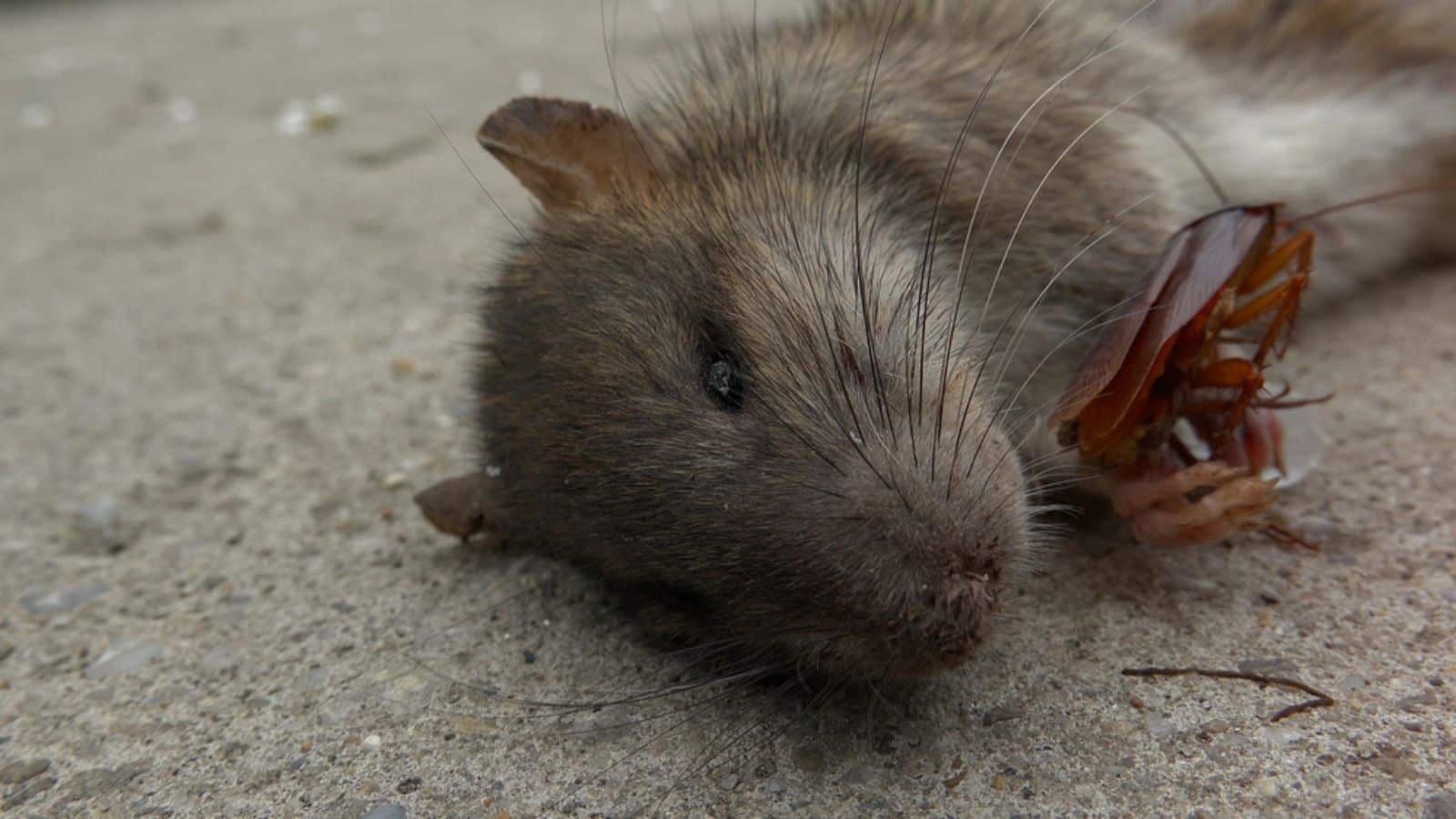
Health inspectors emphasize that these emergency closures are strictly enforced because active pest infestations create immediate and dangerous contamination pathways.
Live roaches inside a commercial kitchen are far more than just a simple sanitation nuisance; they are active carriers of dangerous bacteria like Salmonella and E. coli. As these insects move throughout the facility, they continuously deposit harmful pathogens directly onto food-contact surfaces, specialized prep equipment, and stored raw ingredients.
Rodent activity carries a distinct and potentially more serious medical risk profile, as their droppings can easily transmit dangerous illnesses like Hantavirus and Leptospirosis to unsuspecting patrons.
Unlike roaches that tend to concentrate near moisture and visible food debris, rodents can move freely through hidden walls, acoustic ceilings, and dark utility chases.
Even common fly infestations, which accounted for four of the fifty-one total closures, present an incredibly serious health risk to the general public.
Flies act as highly efficient mechanical vectors, quickly transferring harmful bacteria by landing on raw waste and then immediately touching exposed human food within seconds.
Varying Turnaround Times
While some facilities managed to address their severe sanitation violations within hours, others required extensive professional remediation to satisfy local inspectors.
The documented reopening times reveal a fascinating pattern regarding how quickly different commercial establishments can respond to a sudden health crisis. The absolute fastest reopenings, with some businesses clearing inspection within the exact same morning, suggest that the initial infestations were relatively limited in scope.
Conversely, the slowest reported reopenings indicate that much more extensive and time-consuming professional remediation was required to properly sanitize the facility.
Establishments like Romano’s Pizzeria and Restaurant in St. Augustine struggled to clear their strict follow-up inspections, highlighting the massive operational difficulty of eradicating entrenched pest populations.
As the two-week reporting period came to a close, a few specialized facilities unfortunately remained in administrative limbo with completely unresolved inspection statuses.
Places like Jaas Kitchen in Panama City Beach and Hole in the Wall Seafood and Raw Bar in Apalachicola currently have no confirmed reopening times listed in the public state records.
Question for you. Would you ever return to a restaurant after finding out it had been temporarily closed by health inspectors for a pest infestation?





