

President Trump renamed a lake that the U.S. only half-owns. By that same logic, several American lakes have a strong case to go the other way.
Satirical opinion. Canada has not renamed any American lakes, and none of the names below are real or pending. The news peg and every fact cited here are entirely real.
On Thursday, President Trump signed an order renaming Lake Ontario “Lake America,” effective immediately, on the reasoning that because the deepest water sits on the U.S. side, America “claims most of the Lake’s volume.” Canada, which shares the lake, isn’t playing along. Since no international body referees the names of shared water, both positions are equally binding: not at all.
It’s Lake Ontario, now and always. pic.twitter.com/KNahtPAMeJ
— Doug Ford (@fordnation) August 29, 2026
So here is a counter-proposal. If owning the deep end is grounds for a rename, the logic runs both directions, and a few American lakes carry a paper trail that, unlike the Lake America order, actually holds up. Grand Chief Pierre Picard of the Wendat Nation called the renaming an attempt to “erase our history.” These five, by the president’s own reasoning, are practically Canadian already.
Save this article
Lake of the Woods (proposed: Lac Canada)
Its northern tip, the Northwest Angle, is the only slice of the Lower 48 above the 49th parallel, reachable by road only by driving through Canada first. That quirk traces back to a botched map used at the 1783 Treaty of Paris, drawn for a lake nobody had accurately charted. The water itself drains north into Canada. One resident even petitioned the White House in 2019 to hand the Angle over and “make America great by correcting this critical survey error.”
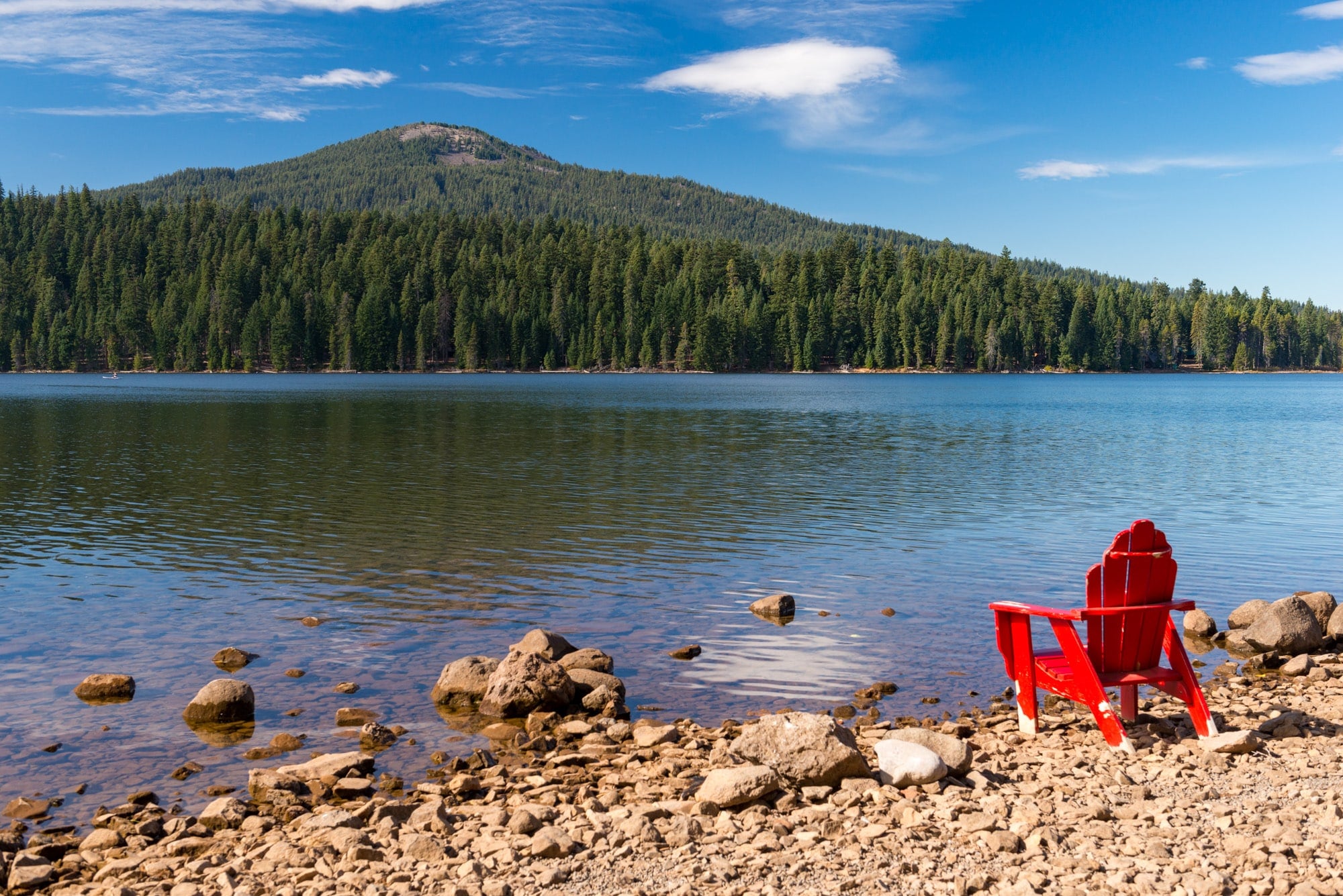
Rainy Lake (proposed: Lac la Pluie)
Its American shore is home to Voyageurs National Park, a U.S. park named for the French-Canadian canoemen who paddled these fur-trade routes before there was a border to cross.
Related: 10 Best Lakes to Visit Across the United States
Lake Champlain (proposed: Lac Richelieu)
It carries the name of Samuel de Champlain, founder of Quebec City, and it drains north toward the St. Lawrence. Congress even declared it the sixth Great Lake in 1998. That lasted 18 days, until Midwestern lawmakers revolted and demoted it back to merely very good. A lake America couldn’t decide was great, named for the father of New France, flowing toward Montreal.
Lake St. Clair (proposed: Lac Sainte-Claire)
French explorer La Salle christened it in 1679, and American officials later filed off the accent and Anglicized the spelling. Then there is the geography that stumps every American who learns it: along this stretch of border, Canada sits south of the United States. You drive down from Detroit to reach Windsor.
Lake Koocanusa (no rename required)
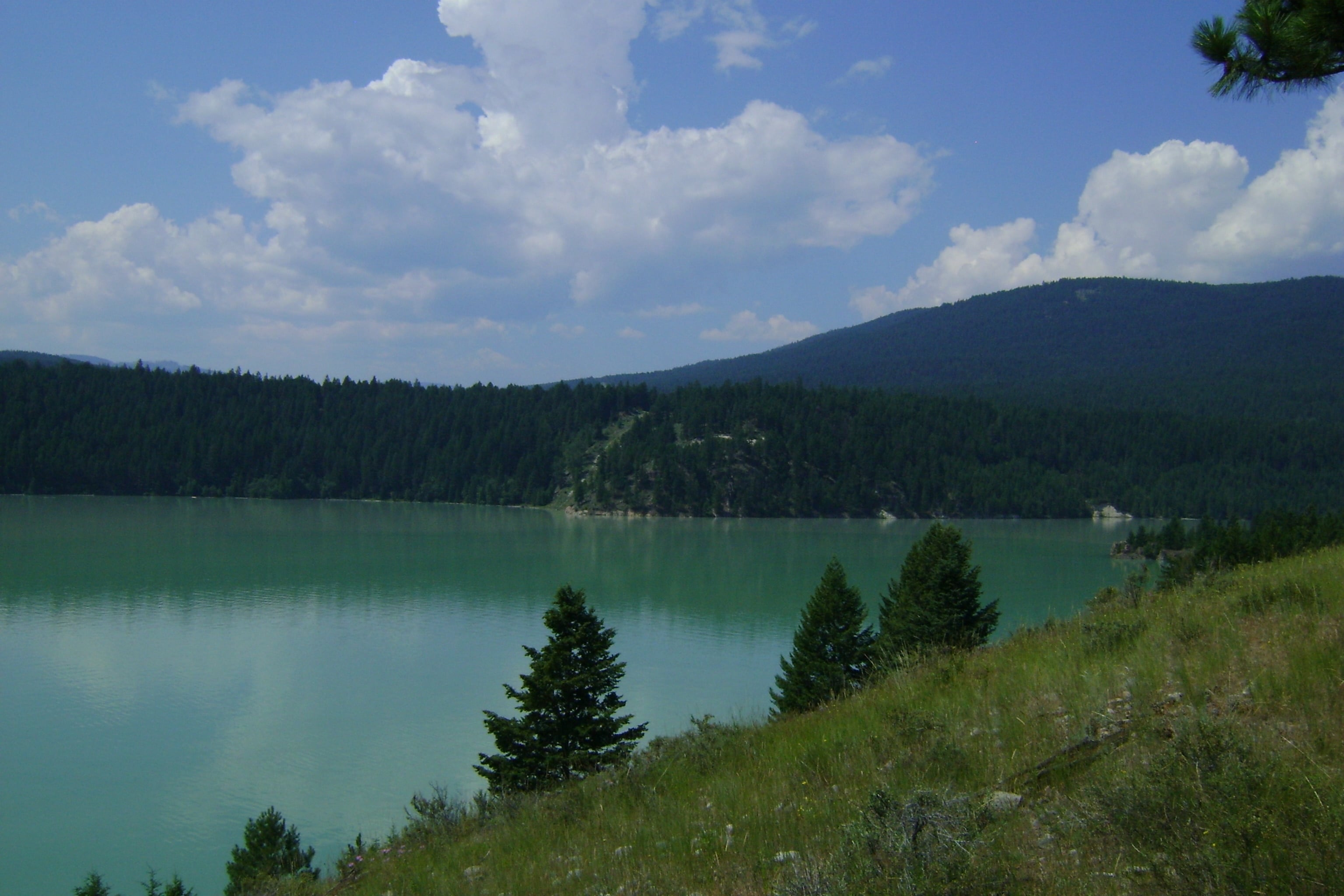
This one named itself. When Libby Dam flooded the valley in the 1970s, a naming contest produced a portmanteau of Kootenai, Canada, and USA. Canada is already sitting in the middle. There is a less cheerful side to it, though. The reservoir covers Ktunaxa territory, and a manufactured settler name won out over theirs, the same instinct that renames a 400-year-old lake to win a trade fight. Some renamings are jokes. This is one worth taking back for real.
None of this will happen, of course. Canada can rename Montana’s reservoirs about as easily as Washington can rename a lake it shares with Ontario, which is to say it can update its own maps and mildly annoy the neighbors, and nothing more. But if the deep end now comes with naming rights, the paperwork is worth a look before the next signing ceremony. The president has already floated renaming the Atlantic and the Pacific, two oceans Canada also happens to touch.





