
A batch of Lundberg Family Farms’ Regenerative Organic Certified White Jasmine Rice is part of an FDA recall update after concerns that the product may contain foreign material.
The recall affects 27,324 two-pound packages tied to specific lot codes and distributed through retailers in 13 states, including California, Connecticut, Florida, Illinois, Louisiana, New Hampshire, New York, North Carolina, Pennsylvania, Tennessee, Virginia, Washington, and Wisconsin.
The recall identifies the affected rice, but one important detail remains unknown: the FDA and the company have not publicly identified what type of foreign material was involved.
The FDA classified the recall as a Class II recall, meaning the product may cause temporary or medically reversible health consequences, while serious health effects are considered unlikely.
The recall applies to specific packages of rice, not the entire Lundberg Family Farms product line.
What the Recall Actually Tells Consumers
The FDA notice gives shoppers the information they need to identify the product, even though some details about the contamination are still unknown.
Food recalls often raise two questions: what product is affected, and what caused the problem. In this case, the first question has a clear answer. The second does not.
The FDA has identified the product name, package size, UPC, lot codes, best-before dates, and distribution details. However, the agency has not publicly stated what foreign material led to the recall.
No confirmed information currently explains whether the concern involved packaging, equipment, or another source. Those details have not been released.
How to Check If Your Rice Is Included
Consumers should focus on the information printed on the bag, not the brand name alone.
The recalled product is Lundberg Family Farms Regenerative Organic Certified White Jasmine Rice in a 32-ounce package.
The affected bags include:
• UPC: 073416-040281
• Lot codes: 260201MA and 260202MA
• Best before dates: February 1, 2027, and February 2, 2027
Some earlier retailer notices listed the lot codes as 260201 and 260202 without the “MA” suffix. Later recall information included the full lot codes with the additional letters.
The rice was distributed through retailers including Wegmans, Walmart, Target, Whole Foods, Giant, and Hy-Vee.
Save this article
What Lundberg Family Farms Said
The company said the issue was limited to one production run and that no illnesses had been reported.
Lundberg Family Farms told PEOPLE it removed the affected product from store shelves several months ago. The company also said the incident was isolated to a single production run.
No illnesses connected to the recalled rice have been reported in the available recall information.
Why Recall Details Matter
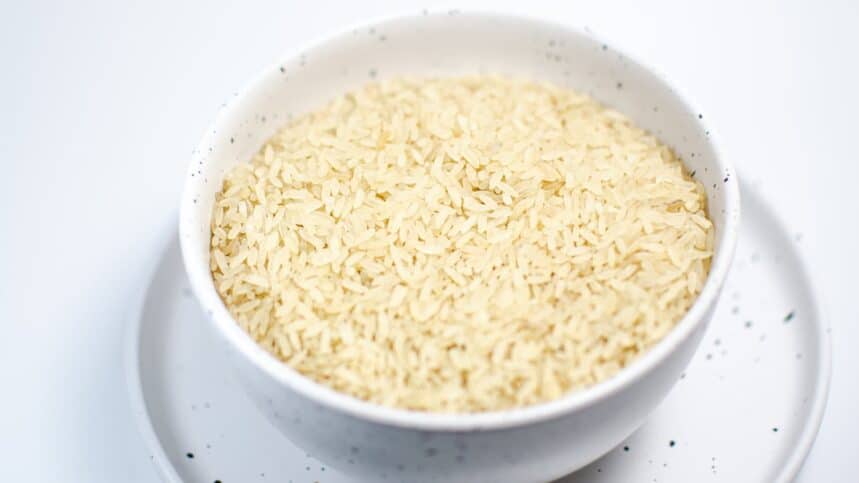
A recall involving a familiar brand does not automatically mean every product from that company is affected.
The FDA’s notice is focused on a specific product, package size, and set of lot codes. It does not include all Lundberg Family Farms products.
That distinction matters because consumers often recognize a brand name before checking the smaller details printed on packaging. In this case, the lot codes and dates determine whether a bag is part of the recall.
Public reporting has shown some variation in the list of affected states. The FDA update cited distribution in California, Connecticut, Florida, Illinois, Louisiana, New Hampshire, New York, North Carolina, Pennsylvania, Tennessee, Virginia, Washington, and Wisconsin.
Related: 10 Everyday Foods That May Contain Microplastics Without You Knowing
The Question Still Missing From the Recall
The recall lets consumers identify the product, but the reason behind the contamination concern remains unclear.
The confirmed facts are straightforward: certain Lundberg Family Farms Regenerative Organic Certified White Jasmine Rice packages were recalled, the affected products reached major retailers, the FDA classified the recall as Class II, and no illnesses have been reported.
The nature of the foreign material has not been confirmed. Until that information is released, consumers are left with the details that matter most for identifying affected bags and deciding what to do.
Food recalls often come down to small details printed on a package. In this case, those details may matter more than the logo on the front of the bag.
When a familiar pantry product is recalled, what information do consumers need most before they feel they fully understand what happened?





