

A frozen peanut butter and jelly sandwich has become the unlikely center of a federal trademark battle. J.M. Smucker Co. is suing Trader Joe’s, alleging the grocery chain’s Crustless Peanut Butter & Strawberry Jam Sandwiches use design elements connected to its popular Uncrustables brand.
A federal judge has now allowed the case to continue, turning a familiar lunchbox item into a legal fight over what makes a product recognizable.
The ruling does not decide who owns the sandwich design, but it ensures the argument will continue in court.
The dispute reaches beyond two frozen sandwiches sitting in the same grocery aisle. At its core is a question many consumers rarely think about: when a product becomes instantly recognizable, how much of that identity can a company protect?
The Case Survives Its First Big Test
Trader Joe’s failed to end the lawsuit early, giving Smucker the chance to continue its trademark claims.
Trader Joe’s attempted to have the lawsuit dismissed before the case moved forward. On August 28, 2026, U.S. District Judge John Adams of the Northern District of Ohio rejected that request and also denied Trader Joe’s attempt to move the case to California.
Smucker originally filed the lawsuit on October 13, 2025. The case, officially titled The J.M. Smucker Company v. Trader Joe’s Company, includes claims of trademark infringement, trademark dilution, and unfair competition.
Judge Adams found that Smucker had provided enough allegations for the lawsuit to proceed. His ruling referenced claims involving advertising and publicity, sales, trademark registrations, and recognition of the marks.
The decision was an important step for Smucker, but it did not rule that Trader Joe’s violated trademark law. The court has not decided whether Smucker will ultimately win the case.
Smucker Says Decades of Branding Built Uncrustables Recognition
Smucker argues that Uncrustables’ appearance has become closely tied to how consumers identify the product.
The company’s argument is centered on the idea that Uncrustables is more than a frozen sandwich. Smucker says the product has developed a recognizable identity through features such as its round shape and crimped edges.
In its complaint, Smucker states that “Consumers immediately recognize Smucker’s Uncrustables sandwiches by their unique design features.” The company argues that those features have become valuable parts of the brand it built over decades.
The Uncrustables product’s history goes back to the mid-1990s; the sandwich originated around 1995, with early use of the Uncrustables name and related marks, along with school distribution, beginning around 1996. Smucker acquired the business in 1998, and Uncrustables became available in national grocery stores in 2000.
Save this article
Smucker also claims it invested more than $1 billion developing the Uncrustables brand and the goodwill connected to it over roughly 20 years. The company is seeking monetary recovery and a court order requiring Trader Joe’s to surrender products and packaging that Smucker claims violate its trademark rights.
Trader Joe’s Says the Sandwich Is Different
Trader Joe’s argues that the features Smucker wants to protect are not unique enough to belong to one brand.
Trader Joe’s has pushed back against Smucker’s claims, saying its frozen sandwich is a different product. The retailer describes its version as a “squircle,” meaning a rounded square rather than the traditional round shape associated with Uncrustables.
The company also argues that the crimped edges serve a practical purpose by helping keep the sandwich filling inside. According to Trader Joe’s, that makes the feature functional rather than a design element that should receive exclusive protection.
In a January 2026 court filing, Trader Joe’s wrote, “Smucker reaches too far. Its sandwiches’ appearance and cartoon avatar are no Nike swoosh or McDonald’s golden arches.”
That argument represents the company’s broader defense: a product feature can help create a familiar appearance without automatically becoming something one company can control.
The Bigger Question Behind a Frozen Sandwich Fight
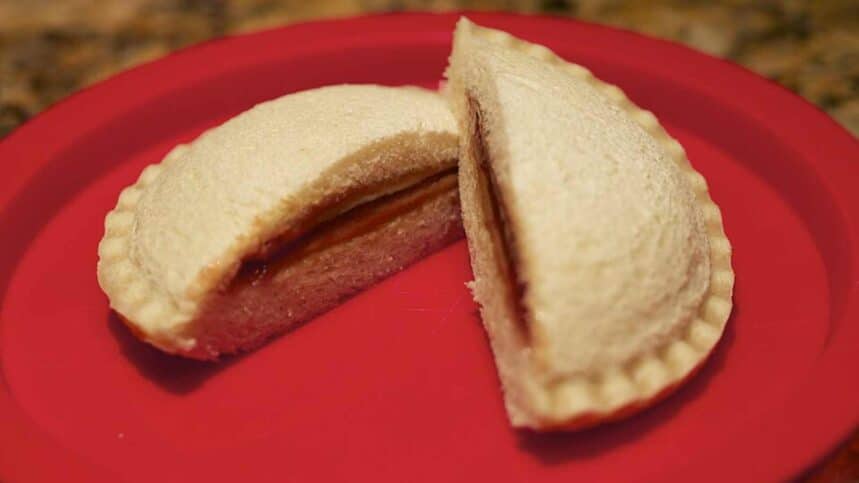
The lawsuit is now focused on evidence, including how consumers recognize Uncrustables and how trademark protection applies to product designs.
The court has not found that customers are confused between the two sandwiches. It has also not ruled that Trader Joe’s copied Smucker’s product or that Smucker owns exclusive rights to every feature involved in the dispute.
No trial date has been announced in the available information. The third-party supplier connected to Trader Joe’s sandwiches has also not been publicly identified.
As the case continues, both sides will present evidence supporting their positions. Smucker will argue that the Uncrustables design has become a protected brand identifier, while Trader Joe’s will continue arguing that certain sandwich features should remain available to competitors.
A lawsuit over a frozen PB&J may seem unusual, but the issue behind it is familiar across retail. Companies spend years building recognition around the products people remember, while competitors look for ways to offer alternatives.
When shoppers recognize a product by its appearance, how much protection should that design receive?





