

Keto, Mediterranean or plant-based? People have been arguing over which diet is “best” for years.
A new randomized clinical trial didn’t find one universal winner. But when researchers looked specifically at fat stored in the liver, one diet produced a striking result. Participants following a ketogenic diet reduced liver fat by an average of 67%.
Researchers put three popular diets head-to-head
The study published in Cell Metabolism compared three dramatically different approaches: a very-low-carbohydrate ketogenic diet, a Mediterranean diet and a very-low-fat plant-forward diet.
Participants had obesity, prediabetes and excess liver fat. This wasn’t simply a questionnaire asking people what they remembered eating.
Researchers supplied participants’ food and had them meet with a dietitian every week.
Calories were individually adjusted so that participants in all three groups lost roughly 10% of their body weight over about four to five months.
That allowed researchers to ask an interesting question: If weight loss is similar, does the composition of the diet itself make a difference? Apparently, it can.
Keto produced the biggest reduction in liver fat
All three diets worked. Participants lost body fat and improved insulin sensitivity regardless of which eating pattern they followed.
But the liver results were different. Liver fat fell 67% in the ketogenic group compared with 45% in both the Mediterranean and plant-forward groups. The ketogenic diet contained only about 4% of calories from carbohydrates and roughly 73% from fat.
The Mediterranean diet contained about 50% of calories from carbohydrates, while the plant-forward diet got roughly 70% of calories from carbohydrates and only 15% from fat.
Despite consuming dramatically more dietary fat, the keto participants experienced the largest reduction in fat stored in their livers.
You may want to read: Fatty Liver Disease & IBS: Supporting Your Gut-Liver Axis and How to Eat If You Have Both Conditions.
Prediabetes improved too
The keto group also showed notable changes in blood-sugar regulation.
According to reporting on the clinical trial, about half of participants following the ketogenic diet no longer met the criteria for prediabetes after the intervention.
That compared with 29% in the Mediterranean group and 7% in the plant-forward group. Researchers also saw larger changes in insulin and glucagon in the ketogenic group that could help explain the reduction in liver fat.
Why liver fat matters
Fatty liver disease is extraordinarily common and often silent. Many people have no obvious symptoms and discover it only after abnormal blood work or imaging.
Save this article
Over time, excess liver fat can progress to inflammation, scarring and serious liver disease in some people.
Fat stored in the liver is also closely tied to insulin resistance and metabolic health. That’s why researchers were interested not merely in whether participants lost weight but in what happened metabolically while they lost it.
This wasn’t a victory lap for unlimited bacon
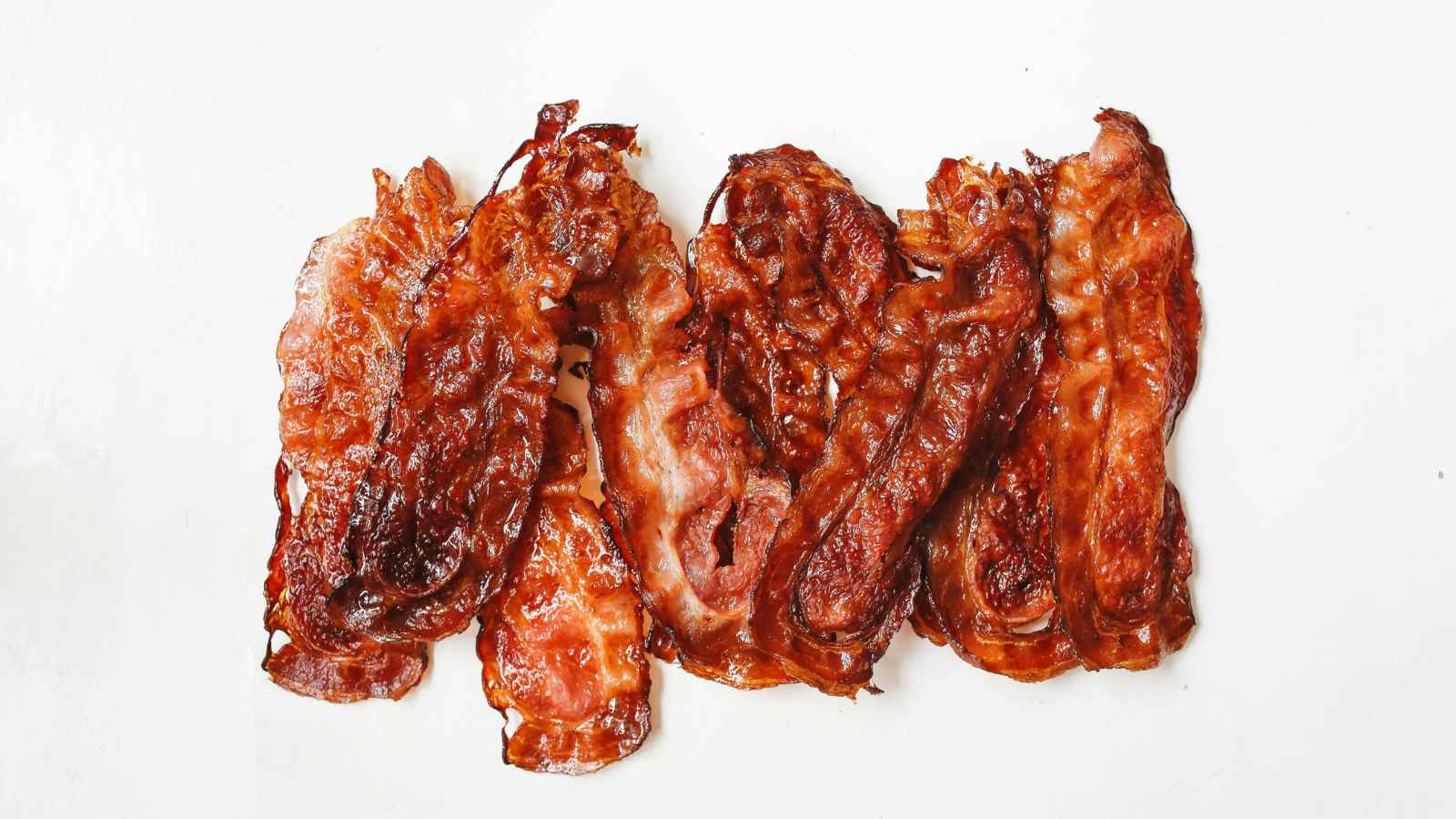
The results don’t mean everyone should immediately adopt a ketogenic diet. The study involved a relatively small, carefully supervised group of people with specific metabolic problems.
Participants had their food provided and met regularly with a dietitian—conditions very different from someone assembling a DIY keto diet from bacon, cheese and internet advice.
A well-designed ketogenic diet and an anything-goes high-fat diet are not necessarily the same thing.
Researchers also followed participants for only several months. Questions remain about long-term adherence, cardiovascular health, nutrient adequacy and whether the metabolic advantages persist over years.
Mediterranean and plant-forward diets still worked
The headline-grabbing number is 67%. But don’t overlook the other number: 45%.
Both the Mediterranean and plant-forward diets reduced liver fat by nearly half while participants lost weight.
All three groups experienced metabolic improvements. That suggests an important lesson that’s often lost in diet wars. There may be more than one effective way to improve metabolic health.
The best eating pattern for an individual may depend on medical conditions, food preferences, cholesterol response, lifestyle and—crucially—whether they can actually stick with it.
You may want to read: Plant-Based Nutrition & The Low FODMAP Diet.
Final word
Nutrition debates often become ideological: carbs versus fat, plants versus meat, keto versus Mediterranean. Human metabolism is considerably less interested in joining a team.
This trial suggests weight loss itself delivers major metabolic benefits, while the composition of the diet may influence where some of those benefits are strongest.
For people with obesity, prediabetes and fatty liver, very-low-carbohydrate eating produced particularly striking short-term results.
But the study doesn’t prove keto is the best diet for everyone—or the best diet for life. Perhaps the most useful takeaway is simpler. Losing weight mattered. What people ate while losing it mattered too.
More articles:





