Insomnia can make a night feel endless. A new study raises a more surprising possibility: successfully treating it might also change biological signals linked with how quickly the body is aging.
Researchers studying older adults found that cognitive behavioral therapy for insomnia, or CBT-I, did what it was designed to do — it helped more people achieve remission from insomnia. The group receiving CBT-I also showed a slower pace of biological aging on an epigenetic measure than people given sleep education.
That does not mean a course of therapy can turn back the clock. But it adds an intriguing dimension to a sleep disorder often treated as an exhausting nuisance rather than a potential contributor to broader health.
Insomnia is more than the occasional bad night
Insomnia disorder involves persistent difficulty falling asleep, staying asleep or getting restorative sleep despite having adequate opportunity to sleep, along with daytime consequences. It becomes more common with age, when sleep can also be disrupted by pain, medications, medical conditions and changes in circadian rhythms.
CBT-I is a structured treatment that addresses behaviors and thought patterns that perpetuate insomnia. It can include techniques such as adjusting time in bed, strengthening the association between bed and sleep and changing unhelpful beliefs about sleeplessness.
The goal of CBT-I is not simply to make people feel relaxed at bedtime; it is to retrain the patterns that can keep chronic insomnia going.
Researchers also looked at the body’s molecular clock
In the new UCLA-led study, published in The Lancet Healthy Longevity and summarized by UCLA Health, older adults with insomnia were assigned to CBT-I or a sleep-education control condition. Researchers then examined biological aging using DNA methylation, chemical marks on DNA that change in recognizable patterns across the lifespan.
These so-called epigenetic aging measures do not tell someone exactly how old their organs are or predict a precise lifespan. They are research tools designed to capture aspects of biological aging that chronological age alone cannot.
People who received CBT-I were more likely to have their insomnia remit and showed a slower pace of biological aging on the study’s measure than the education group. That is an intriguing signal, but it is not the same as proving that insomnia treatment will make people live longer.
Why sleep could plausibly affect aging biology
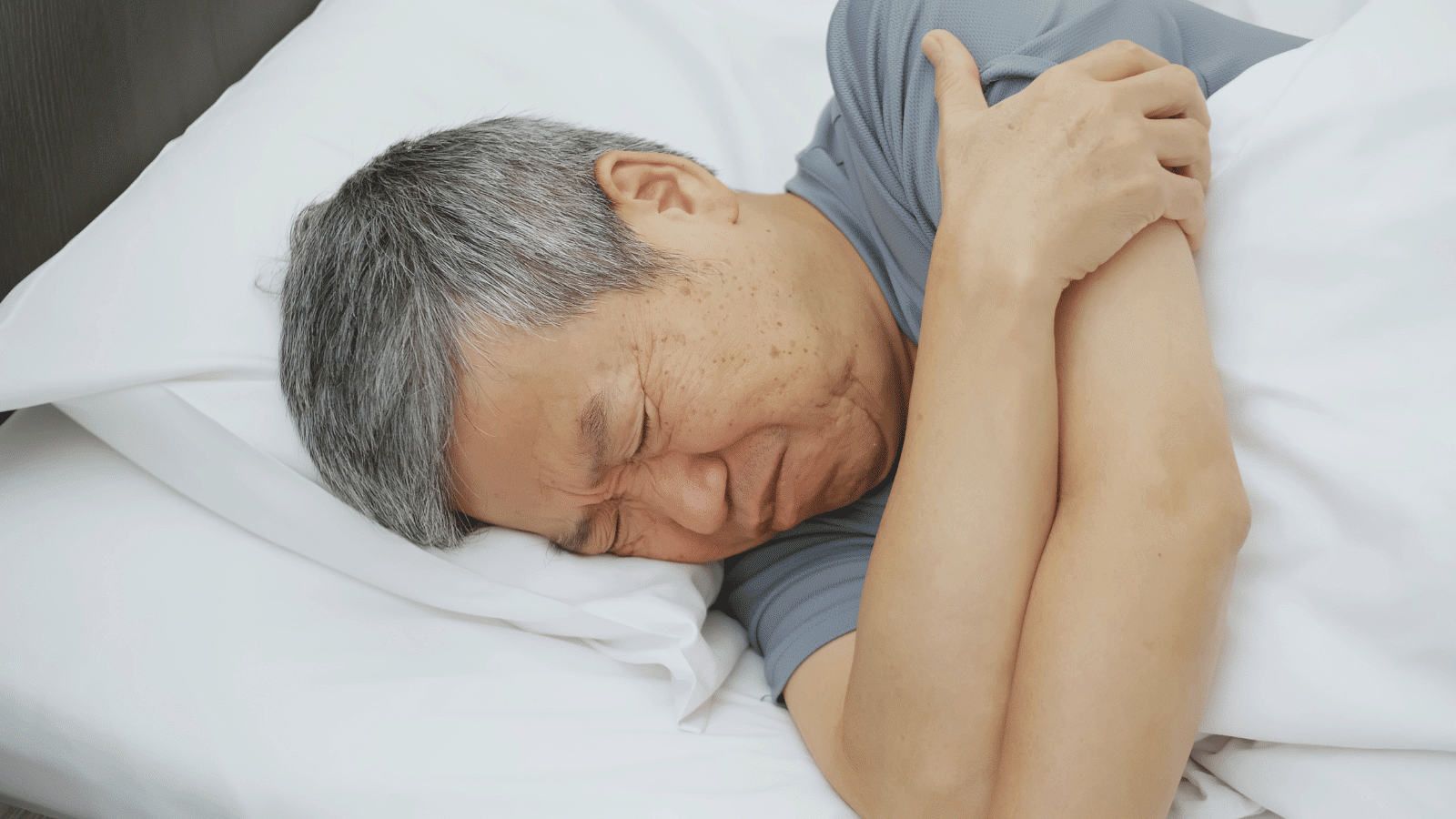
Sleep touches an extraordinary number of physiological systems. During normal sleep, the brain and body regulate hormones, metabolism, immune activity, cardiovascular function and processes involved in cellular repair.
Save this article
Chronic sleep disruption has been associated with a range of health problems, although the relationship can run in both directions: illness can worsen sleep, and poor sleep may worsen health. That makes randomized treatment studies especially valuable because they can move researchers closer to understanding what changes when insomnia itself is successfully treated.
The compelling question is whether better sleep merely accompanies healthier aging or whether treating a sleep disorder can actually alter some of the biological processes involved. This trial supports further investigation, rather than settling that question.
You shouldn’t need an “anti-aging” reason to treat insomnia
The longevity angle is attention-grabbing, but people with chronic insomnia already have a practical reason to seek help: the disorder can impair mood, concentration, daytime functioning and quality of life. CBT-I is recommended as a first-line treatment for chronic insomnia by major medical groups.
It also avoids a common trap in sleep culture, where people become so anxious about achieving perfect sleep that bedtime itself becomes stressful. Treatment is individualized, and older adults with persistent sleep problems may also need evaluation for sleep apnea, restless legs syndrome, medication effects, depression, pain or other contributors.
The immediate payoff from effective insomnia treatment is better sleep and daytime functioning; any effect on long-term biological aging would be an additional benefit that still needs confirmation.
Final word
Scientists increasingly view sleep as an active biological state rather than dead time between waking hours. This study makes that idea unusually tangible: changing a person’s sleep through a behavioral treatment was accompanied by a measurable difference in an aging-related molecular signal.
But biological-age tests are not crystal balls, and one study cannot establish that CBT-I extends lifespan or prevents age-related disease. Larger and longer studies will be needed to see whether the molecular difference translates into outcomes people actually care about.
For now, the strongest message is simpler: chronic insomnia is treatable, and improving it may matter to the body in ways that extend well beyond feeling less tired tomorrow.
If you knew improving your sleep might influence long-term health as well as tomorrow’s energy, would you be more likely to seek treatment for persistent insomnia?