
Organizing your kitchen correctly can dramatically extend the shelf life of your weekly groceries while preserving their natural flavors. Knowing exactly where to place your fresh ingredients saves you both valuable time and hard earned money.
Many people automatically toss every fresh item directly into the crisper drawer without a second thought after returning from the supermarket. However, the intensely cold temperatures can actually ruin the texture and taste of several essential staple ingredients.
By keeping these seven common foods out of the chilly environment, you will enjoy far better tasting meals every single day. This simple storage adjustment will also prevent your precious groceries from ending up in the household trash bin.
1. Fresh Tomatoes
Storing fresh tomatoes in the refrigerator completely destroys their rich flavor and creates an unpleasantly mealy texture by halting the ripening process.
The extreme chilling process actively alters their chemical structure and stops the natural ripening cycle in its tracks. To keep your tomatoes tasting incredibly sweet and juicy, you must always store them at room temperature.
A 2025 UN report reveals that households globally waste over one billion meals daily, often due to improper storage. Protecting your delicate produce from extreme temperatures is a crucial step in combating this massive environmental issue.
Simply place your fresh tomatoes in a breathable bowl on your kitchen counter away from the hot stove. Just remember to keep them out of direct sunlight for the absolute best culinary results.
2. Whole Melons
Whole watermelons and cantaloupes require ambient room temperature to maintain their natural antioxidants and sweet flavor profile before cutting.
Chilling an uncut melon can actually cause the firm flesh to break down and become mushy very quickly. The cold air degrades the delicate cellular structure before you even have a chance to slice it open.
You only need to refrigerate these massive fruits after they have been sliced open and served to your family. Once the thick protective rind is punctured, the cold air becomes necessary to prevent dangerous bacterial growth.
Leaving them on the counter ensures they remain perfectly ripe and ready for your next big summer picnic. Just be sure to eat them within a week of bringing them home to maximize their natural sweetness.
3. Raw Potatoes
Placing raw potatoes in a chilly environment causes their complex starches to rapidly convert into simple sugars and ruins their texture.
This unwanted chemical reaction leaves the potatoes tasting unnaturally sweet and makes their texture incredibly gritty when cooked. Furthermore, these extra sugars can cause the potatoes to burn much faster during the high heat roasting process.
Cooking chilled potatoes often results in a blackened exterior and an undercooked, highly unpleasant center that nobody wants to eat. You should always store your potatoes in a cool, dark, and well ventilated pantry space instead of the fridge.
A simple paper bag or an open wire basket works perfectly to keep them fresh for several weeks at a time. Keeping them away from bright lights prevents them from turning green and developing bitter tasting compounds.
4. Liquid Honey
Honey is a remarkable natural preservative that will last for years without ever needing to see the inside of a refrigerator.
Introducing this beautiful golden sweetener to cold temperatures forces it to crystallize almost immediately inside the glass jar. Once it reaches this frozen state, it hardens into an unmanageable solid lump that is nearly impossible to pour.
Save this article
You will quickly find yourself struggling to squeeze or scoop it out of the container for your morning cup of tea. Simply keep your honey tightly sealed in a standard kitchen cupboard away from any extreme heat sources.
This guarantees the sweetener will remain perfectly smooth and always ready to drizzle over your hot oatmeal or yogurt. If it does accidentally crystallize, gently placing the jar in warm water will easily restore its liquid form.
Related: You’re Probably Not Refrigerating These 10 Foods, and It Could Cost You Your Health
5. Fresh Basil
Unlike tougher woody herbs, delicate basil leaves will quickly wilt and turn completely black if they are left in a cold space.
This fragile green plant also readily absorbs all the surrounding odors lingering inside your kitchen cooling appliance. Taking in these weird smells completely ruins the distinct aromatic flavor that makes fresh basil so wonderful in recipes.
A 2024 USDA food waste overview indicates that roughly 30%5 to 40% of the food supply is lost or wasted, with delicate herbs frequently tossed out prematurely. Finding proper ways to store these fragile ingredients keeps them fresh longer and heavily reduces household grocery waste.
The absolute best way to preserve fresh basil is to treat it exactly like a bouquet of freshly cut spring flowers. Place the trimmed stems in a small glass of water and leave them resting comfortably on your kitchen countertop.
6. Whole Onions
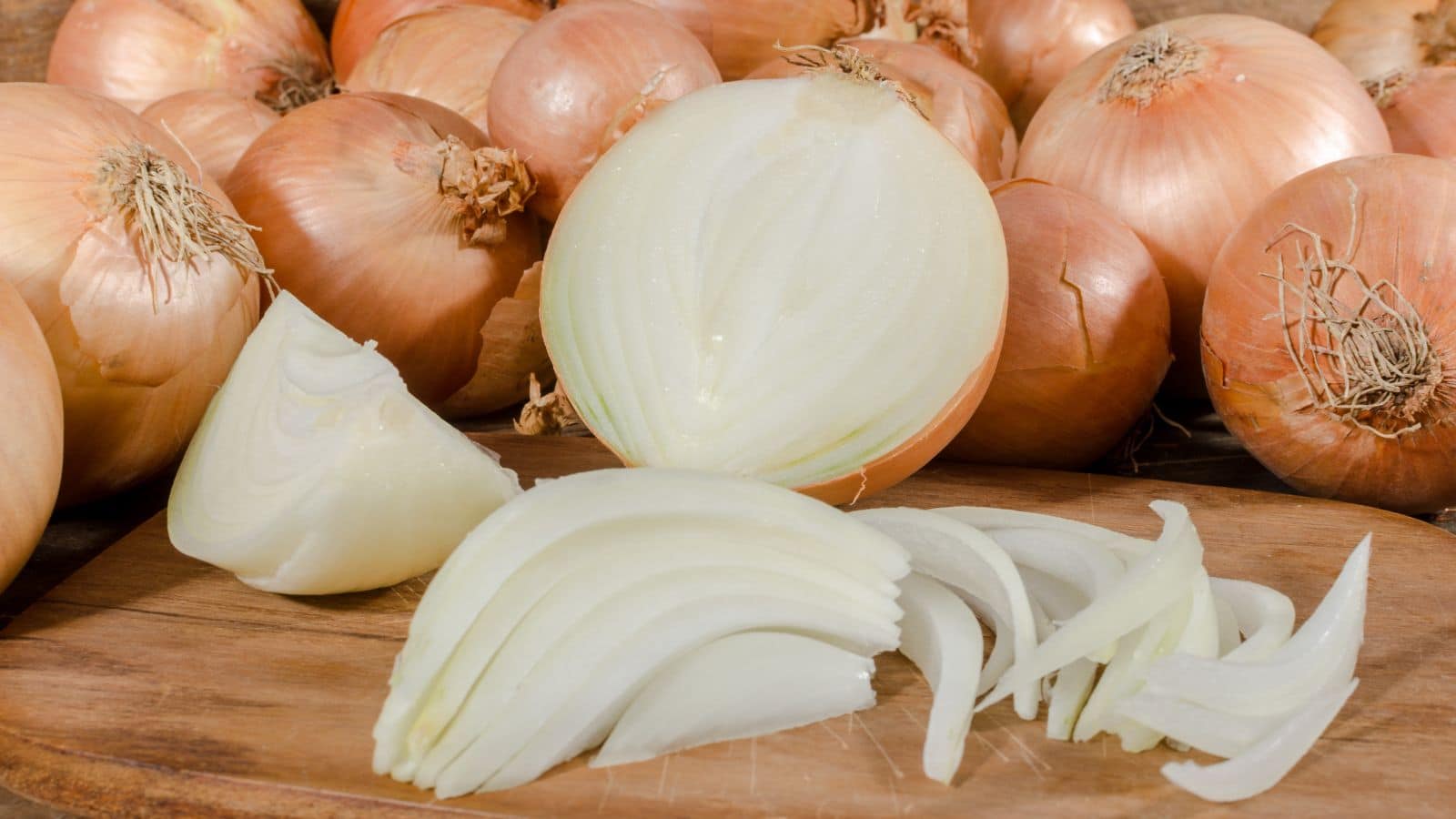
Onions require plenty of healthy air circulation to stay firm and avoid rotting prematurely in your humid kitchen appliances.
The moist environment of a closed crisper drawer traps excess condensation and softens the root vegetables very quickly. This dampness turns them moldy and completely unusable in record time, wasting your hard earned grocery money.
They also emit a very strong odor that can easily taint other sensitive items stored nearby, like butter or fresh milk. You should always keep your onions in a dry pantry space with plenty of room to breathe naturally.
It is also critical to strictly separate your onion supply from your raw potato storage bins at all times. When stored together, onions and potatoes release invisible gases that cause both items to spoil at an accelerated rate.
7. Coffee Beans
Keeping your expensive coffee beans chilled is a massive mistake that completely ruins your morning cup of joe by introducing moisture.
The sudden temperature changes when taking them in and out of the cold creates highly harmful condensation inside the bag. This unwanted moisture destroys the delicate oils that give roasted coffee its deep and complex flavor profile.
You will eventually be left with a dull, incredibly bitter brew that lacks any real aromatic depth or character. A freezing kitchen appliance will also cause the porous beans to absorb the lingering smells of last night’s leftovers.
To maintain maximum freshness, keep your whole beans or grounds in a truly airtight container right on your shelf. A dark corner of your pantry will protect the incredible flavor far better than any refrigerator ever could.
Question for you. What is one food item you always thought belonged in the fridge until you recently learned otherwise?