Many of us cherish quirky dinner traditions from our childhood, never realizing our parents invented them out of sheer financial survival.
Did you ever eat strange food concoctions as a kid and think you were having an absolute blast? You probably thought “breakfast for dinner” or ketchup-drawn smiley faces were special holiday-level events.
For millions of grown-ups, looking back at those meals brings a sudden lump to the throat. What felt like fun kitchen games were actually ingenious ways parents masked empty bank accounts. Food hardship remains remarkably widespread. According to the U.S. Department of Agriculture (USDA), 18.4% of American households with children, totaling 14.1 million kids, experienced food insecurity in 2024.
Online trends around “struggle meals” now pull in hundreds of millions of views on social media, proving just how many of us grew up eating the exact same budget creations.
“Happy Toast” and the Pre-Payday Squeeze
A simple slice of toasted white bread decorated with a ketchup smile turned a completely bare pantry into pure magic.
One viral Quora story illustrates this beautifully through the memory of “Happy Toast.” The writer recalled how twice a month, dinner meant finger-food night: warm toast topped with tomato sauce faces sporting straight or curly hair.
The kids thought it was a party. They ate with their hands and giggled at the kitchen table. Only as an adult, staring down an empty fridge the night before payday, did the memory click. Those dinners happened every two weeks because payday was the next morning.
Her dad was working late where he could eat for free, and her mom stayed in the kitchen eating nothing at all. There was just enough bread for the kids to go to bed full.
Related: 8 Forgotten Childhood Foods That Should Be Part of Everyone’s Menu
“Rice-as-Cereal” and the Morning Bypass
Reheating leftover white rice with a splash of milk and sugar gave kids a sweet morning bowl when boxed cereal was out of reach.
Another classic Quora favorite was “rice-as-cereal.” Parents took leftover boiled white rice, heated it up with milk, butter, sugar, and maybe a dash of cinnamon. Kids often preferred it over fancy branded cereal boxes. In reality, a bowl cost about 25 cents to make.
Packaged cold cereals carry notoriously high retail markups. Sticking to bulk grains stretched every grocery dollar. As psychologist Dr. Shira Gabriel explains in comfort food research, familiar sweet and warm dishes produce instant feelings of emotional security and social connection. It didn’t taste like poverty; it tasted like warmth.
Save this article
Hot Dogs, Generic Macaroni, and Stretched Starches
Carbohydrate-heavy pantry items like generic boxed macaroni, boiled potatoes, and sliced frankfurters were the ultimate weapons against high grocery bills.
When cash runs tight, parents lean hard into bulk carbohydrates. Countless adults fondly remember boxed yellow mac and cheese tossed with sliced hot dogs, buttered noodles with a pinch of garlic salt, or plain roasted “Swedish potatoes.“
This isn’t just an American habit. Across the globe, resource-strapped families lean on simple, reliable starch combos. Starchy staples provide immediate fullness when meat, fruit, and fresh produce are completely out of reach.
The Quiet Shield of Maternal Buffering
Research proves parents routinely skip meals and cut portion sizes to ensure their children never notice the pantry is empty.
Sociologists and pediatric experts have a specific term for this heroic dynamic: maternal buffering. When money runs short, parents, mothers in particular, systematically absorb the caloric hit themselves.
Recent USDA data highlights how widespread this parental sacrifice is nationwide. In roughly half of food-insecure families with children, parents absorbed the entire shortfall. They went to sleep hungry so their kids could sleep happy.
The Psychology of Why We Still Crave Struggle Food
Our brains tie flavor to safety, transforming the emergency foods of our youth into our deepest comfort meals.
Why do so many wealthy adults still cook plain butter noodles or sweet rice when they are stressed? Nostalgia theory provides the answer. Pioneering nostalgia researcher Dr. Constantine Sedikides points out that nostalgic reflection acts as a psychological buffer, restoring our mood and reinforcing our sense of belonging. Taste and smell are directly hardwired into the brain’s emotional memory centers.
You aren’t craving cheap processed food. You are craving the feeling of being protected by someone who loved you enough to make magic out of nothing.
The Secret Recipe of Family Resilience
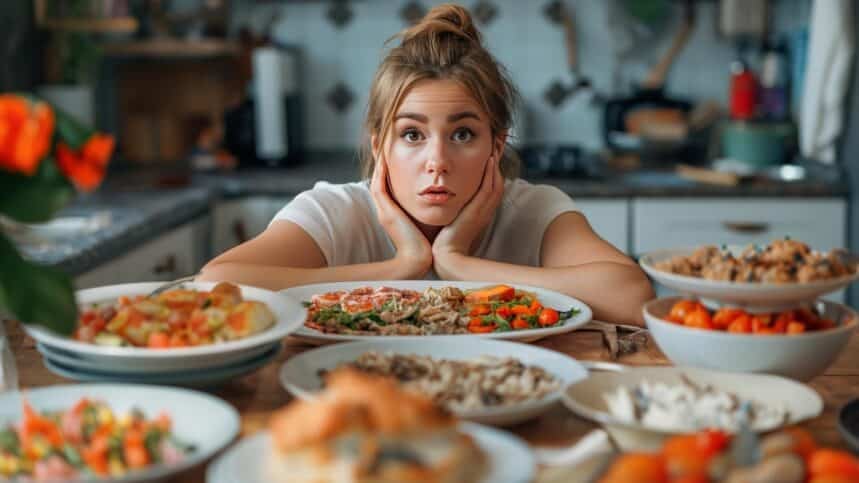
Childhood struggle meals were never really about scarcity; they were about fierce parental love wrapped in creative packaging.
The peculiar kitchen hacks we look back on with fondness were desperate financial tightrope walks. Yet, because of our parents’ resourcefulness, we remember laughter and fun instead of worry.
What strange, improvised meal did your family make you love as a kid, only for you to realize years later was their way of keeping dinner on the table?