The office chair has become a defining object of modern work.
It is where emails are answered, meetings happen, and entire workdays unfold. But as desk-based jobs became a normal part of life, researchers began looking beyond the familiar warning to “sit up straight” and asking a different question: what parts of the workday are actually connected to back discomfort?
For decades, posture advice was built around a simple idea: fix the way you sit, and you can avoid the consequences. But research has moved toward a broader view, examining how people sit throughout the day, how often they move, and how workplace environments shape those habits.
That conversation has also moved beyond traditional offices. As remote work expanded, the desk followed millions of workers home, bringing the same questions into new spaces.
What Researchers Found When They Looked Closer at Desk Sitting
The strongest evidence is connected to sitting behavior, not simply whether someone appears to have perfect posture.
A 2025 scoping review examined research available through March 2024, focusing on sitting time, sitting posture, and sitting behavior among office workers.
Across the 22 studies involving 7,814 participants, researchers found associations between different sitting patterns and low back pain. Among studies examining sitting time, eight of 13 found an association with low back pain. Among studies examining sitting posture, seven of 10 found an association.
The clearest pattern appeared around sitting behavior. Twelve of 13 studies examining sitting behavior found associations involving factors such as fewer breaks and more static sitting.
The findings do not mean every office worker or remote employee who sits for hours will develop back pain. They show that the way people structure their workday has become an important part of back pain research.
The Desk Moved From the Office to the Home
Remote work changed where people sit, but it also revealed how much of modern work already depended on sitting.
Traditional offices long set the stage for questions about workplace ergonomics, including desk arrangements, chairs, and computer setups. When many employees began working from home, researchers started examining how different environments and routines related to musculoskeletal discomfort.
A home workspace can create different conditions from an employer-provided office. Furniture, desk setups, and opportunities to move throughout the day may all change.
The evidence does not show that working from home automatically causes back problems. Instead, researchers have studied how workplace conditions, sitting habits, and movement patterns connect with discomfort.
The change was not that sitting suddenly appeared. It was that the places where people sit became more varied.
The Answer May Be Changing the Workday, Not Chasing Perfect Posture
Research suggests that breaking up long periods of sitting may matter more than trying to hold one flawless position.
The idea of perfect posture has shaped workplace advice for years, but research has expanded beyond finding one “correct” way to sit.
Save this article
Studies of workplace interventions have found that encouraging posture changes and movement breaks can reduce short-term discomfort or new-onset pain for some workers.
For workers, the evidence points toward practical changes: avoid staying in the same position for long periods, create opportunities to move, and adjust the workspace in ways that make regular movement easier.
Sit-stand workstations are one example researchers have studied. Evidence suggests they can reduce sitting time and may provide discomfort benefits for some workers, although researchers continue to call for more study.
Related: 9 Terrible Daily Habits That Are Secretly Ruining Your Body and Aging You Fast
The Chair Industry Has a Role, But Not the Whole Answer
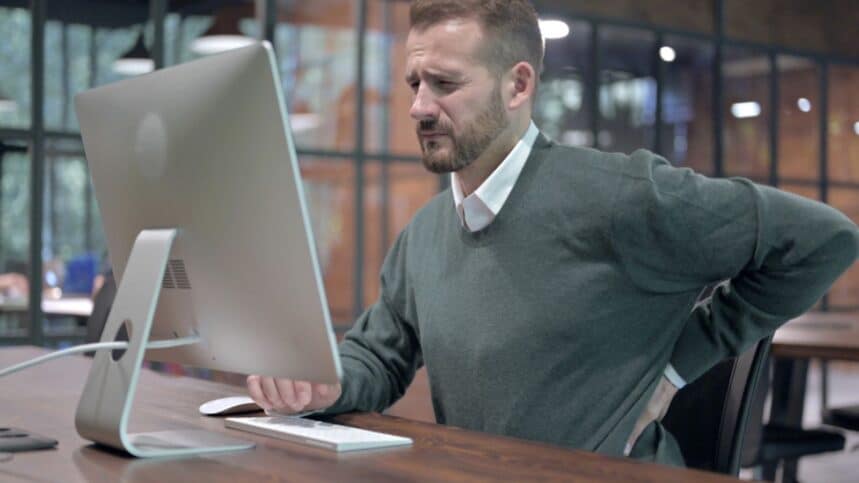
Ergonomic equipment can support comfort, but research does not show that a new chair alone solves workplace discomfort.
The search for a better workstation has created interest in ergonomic chairs, adjustable desks, and other workplace tools.
Research suggests some equipment changes may help. Sit-stand workstations, for example, have shown potential benefits for reducing sitting time and discomfort among some workers.
But the evidence does not support the idea that one product can remove every challenge connected to desk work. Equipment can shape the environment, but daily habits still influence how people experience the workday.
The Back Pain Question Is Bigger Than Your Chair
Back discomfort cannot be reduced to one sitting position, but posture remains one factor researchers continue to examine.
The phrase “bad posture” became popular because it offered a simple explanation. If someone was uncomfortable, the answer seemed obvious: they must be sitting incorrectly.
Research has not established that one posture alone explains every case of low back pain. A 2010 review examining awkward occupational postures found strong evidence against an independent causal association between awkward postures and low back pain.
More recent research has explored relationships between non-neutral postures and pain, while researchers continue to study questions about cause and effect.
Medical guidance reflects that uncertainty. Cleveland Clinic notes that poor posture may lead to aches and pains, while recognizing that discomfort can involve other contributing factors.
The desk has become a symbol of how work has changed. It sits in offices, spare rooms, and corners of homes, shaping the routines of modern working life. The question is no longer simply whether people are sitting correctly, but whether the way we organize work allows enough movement to stay comfortable.
As work continues to change, what habits have you developed to stay comfortable through the day?