A silent metabolic condition now affects one in four American adults, yet simple tweaks to your daily grocery list can stop it in its tracks.
Right now, the American Liver Foundation and data from the U.S. National Health and Nutrition Examination Survey show that roughly 25% of adults across the United States are living with metabolic dysfunction-associated steatotic liver disease, or MASLD. Formerly known as non-alcoholic fatty liver disease, it has quietly become the nation’s most widespread chronic liver ailment.
What makes that number even more alarming is how few people realize anything is wrong. According to the U.S. National Health and Nutrition Examination Survey (NHANES), less than 5% of folks with MASLD actually know they have it.
Because the liver cannot feel pain, extra fat builds up quietly without sending any obvious distress signals. But ignoring the condition gives it time to cause serious cellular damage down the road.
The Silent Threat Sneaking Up on Millions
Metabolic dysfunction-associated steatotic liver disease develops quietly over years, making early nutrition choices vital for long-term health.
When your liver stores surplus fat, its cells become inflamed and stressed. If left unchecked, that swelling can cause permanent structural injury. “If left untreated, it has the potential to lead to irreversible liver damage called cirrhosis, or ‘scarring of the liver,’” warns Dr. Susan Kais, a gastroenterologist and assistant professor at UC Health in Cincinnati.
Here is the bright side: your liver has an incredible ability to heal itself. Doctors emphasize that early-stage MASLD is largely preventable and completely reversible with the right daily habits.
Cut Out Sugar-Sweetened Beverages
Sugary drinks hit your system with lightning speed, turning pure sugar straight into stored liver fat.
You might assume greasy meals cause fatty liver disease, but liver specialists point to a different culprit. According to Dr. Mary Drinane, a hepatologist at Dartmouth Health, the single biggest driver is actually sugar.
“When sugar is absorbed in the gut, its next stop is the liver,” Dr. Drinane explains. “It goes through a big vein called the portal vein, and once it’s there, the liver converts it to lipids and triglycerides.“
Liquid sugars, like sodas, sweet teas, and energy drinks, are especially tough on your body. Because they lack fiber or protein to slow digestion, they flood your liver all at once. “The body simply can’t utilize all of that sugar, leaving the liver to convert the surplus directly into fat,” notes Dr. Kais. Trading sweetened drinks for chilled seltzer or plain water removes a major burden from your liver.
Ditch the Deep-Fried Favorites
Eating deep-fried foods regularly floods your body with saturated and trans fats that stress liver cells.
Crispy comfort foods might hit the spot during a busy workday, but your liver bears the metabolic brunt. “Fried foods are full of saturated fats and trans fats that stress liver cells,” Dr. Kais warns.
When you consume more fat than your system can burn, excess lipids quickly pile up. “When the liver receives more sugar and fat than it can process, it starts storing what it can’t handle,” says Dr. Nadege Gunn, a hepatologist and chief medical officer at Iterative Health.
Large clinical studies confirm this risk. A study published in the Journal of Advanced Research that tracked 208,673 individuals found that eating fried food regularly, particularly French fries, bumps your MASLD risk by 15%.
Trade Refined Carbs for Fiber-Rich Whole Foods
Refined starches break down into glucose almost instantly, triggering insulin spikes that feed liver fat storage.
Pantry staples like white rice, white bread, and pastries undergo heavy processing that strips away all natural fiber. “Refined carbohydrates like white rice, white bread and pastries act like pure sugar in the body,” Dr. Kais notes.
Save this article
A study published in the American Journal of Gastroenterology found that diets heavy in refined grains directly raise the odds of developing fatty liver disease. These fast-digesting starches spike blood sugar and prompt the liver to produce fresh triglycerides.
Choosing quinoa, brown rice, or lentils slows digestion down. That gives your body clean, long-lasting energy while protecting your liver from dangerous glucose surges.
Fill Your Plate the Mediterranean Way
The Mediterranean diet stands as the gold standard for melting liver fat and shielding cells against chronic disease.
You do not need a restrictive crash diet to get real results. Dr. Gunn emphasizes that the Mediterranean eating pattern is the best dietary approach for reducing your risk of MASLD. This lifestyle prioritizes colorful vegetables, fresh fruits, legumes, seafood, and heart-healthy fats like olive oil. At the same time, it reduces ultra-processed meals and red meat.
Long-term clinical data show real, lasting power. A 2025 study in Hepatology Communications followed 47,429 people over 13 years and tied the Mediterranean diet directly to better liver health.
Crush Sugar Cravings With Berries and Dark Chocolate
Nourishing whole foods and rich dark chocolate satisfy your sweet cravings without sending your liver into panic mode.
Toning down your sugar intake does not mean you have to give up tasty treats forever. It simply means finding foods that treat your liver with respect. “Whole fruits, especially berries, are a great option since they’re relatively low in sugar and packed with fiber, antioxidants and vitamins,” Dr. Kais explains. Because the fruit contains natural fiber, your digestive tract absorbs the sugars slowly.
If you crave something richer, reach for dark chocolate with high cocoa content. “It satisfies a sweet tooth while providing antioxidants like polyphenols, making it a smart pick in moderation,” Dr. Kais adds.
Power Up Your Morning With Unsweetened Coffee
Daily cups of unsweetened coffee give your liver a steady stream of antioxidants that fight fibrosis and inflammation.
If you cannot imagine starting your workday without coffee, you have good reason to celebrate. Dr. Drinane points out that regular coffee intake is a practical, research-backed way to support liver vitality.
A comprehensive review of 11 studies revealed that coffee drinkers had a 35% lower likelihood of developing significant liver fibrosis. Another systematic review found that daily coffee drinkers faced significantly lower odds of developing severe cirrhosis.
Both caffeinated and decaffeinated varieties offer liver-friendly polyphenols and protective chlorogenic acids. Just keep it clean; dumping in sweet syrups and heavy flavored creamers ruins those metabolic benefits.
Related: Why Your Daily Coffee Could Be the Secret to Better Wellness
The Daily Playbook for a Healthy Liver
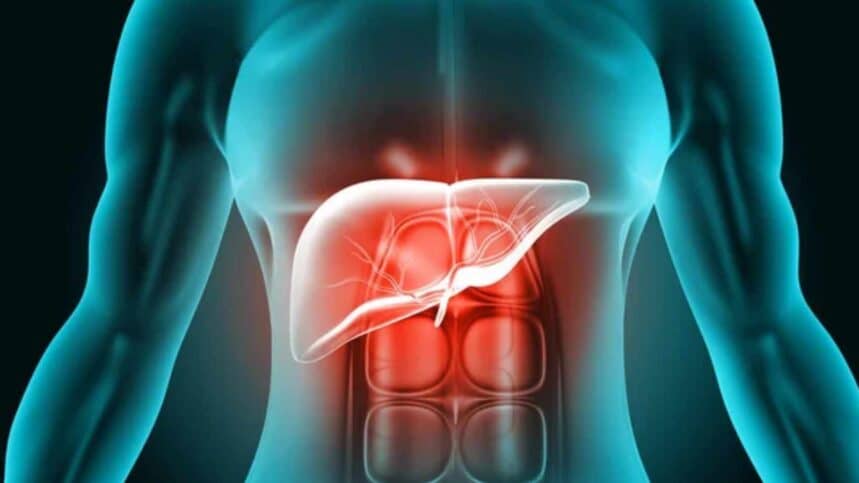
Reversing early liver fat buildup relies on small, realistic food swaps rather than stressful, unsustainable diets.
MASLD may affect 1 in 4 Americans, but you do not have to accept it as inevitable. The condition is quiet, highly preventable, and reversible when caught early. Cutting out liquid sugars, reducing fried fare, and limiting refined carbs eliminates the primary sources of liver stress. Adding Mediterranean staples, whole berries, and a couple of cups of black coffee each day gives your liver the fuel it needs to heal. Small grocery updates today help keep your metabolism strong and resilient for years to come.
Which everyday dietary swap feels easiest for you to try first, and what tricks have helped you avoid hidden sugars during busy workweeks?