A kitchen can be full and still leave people wondering what to make for dinner.
A container pushed behind newer groceries, a forgotten ingredient sitting in the back of a refrigerator drawer, or a pantry item bought twice because nobody noticed the first one was already there can quietly turn into wasted food and wasted money.
The USDA estimates that 30 to 40 percent of the U.S. food supply is wasted. The problem is not only how much food households buy. It is what happens after the grocery bags are unpacked and food disappears into refrigerators, freezers, and cabinets.
The challenge is not creating a perfect kitchen. It is making sure the food people already bought does not become the food they forget.
The Problem Hidden Behind a Full Kitchen
A stocked refrigerator or pantry can still create waste when households lose track of what they already own.
Food waste does not always begin at the trash can. Sometimes it begins when an item becomes invisible.
The USDA recommends reorganizing refrigerators and pantries so you use older items first. The idea is simple: food that is easier to see is easier to remember and manage.
That changes the role of storage. A refrigerator or pantry is not only a place to keep food. It becomes part of the decision-making process that determines what gets used before buying something else.
The financial impact makes the issue harder to ignore. USDA estimates that a family of four loses about $1,500 worth of uneaten food each year, but that figure is based on 2010 prices and should not be treated as a current household cost estimate. More recent EPA data indicates that the economic impact of wasted food is higher.
Related: 7 Kitchen Organization Hacks That Look Straight Out of Pinterest
The Small Habits That Help Food Get Used
Federal guidance focuses on simple household decisions that help people manage the food they already have.
The EPA recommends checking food supplies before shopping, planning meals, and storing food properly. These steps help consumers avoid unnecessary purchases and reduce the chance that food goes unused.
For many households, the first step is simply knowing what is already available. Looking through the refrigerator and pantry before making a shopping list can help prevent buying items you already have.
Save this article
Another practical approach is creating a clearer place for food that needs attention soon. This does not require a specific container system or a particular kitchen style. The purpose is simply to make those items easier to notice.
Meal planning can also help. Building meals around ingredients you already have can help you use food before you forget it.
Why Organization Alone Cannot Solve Food Waste
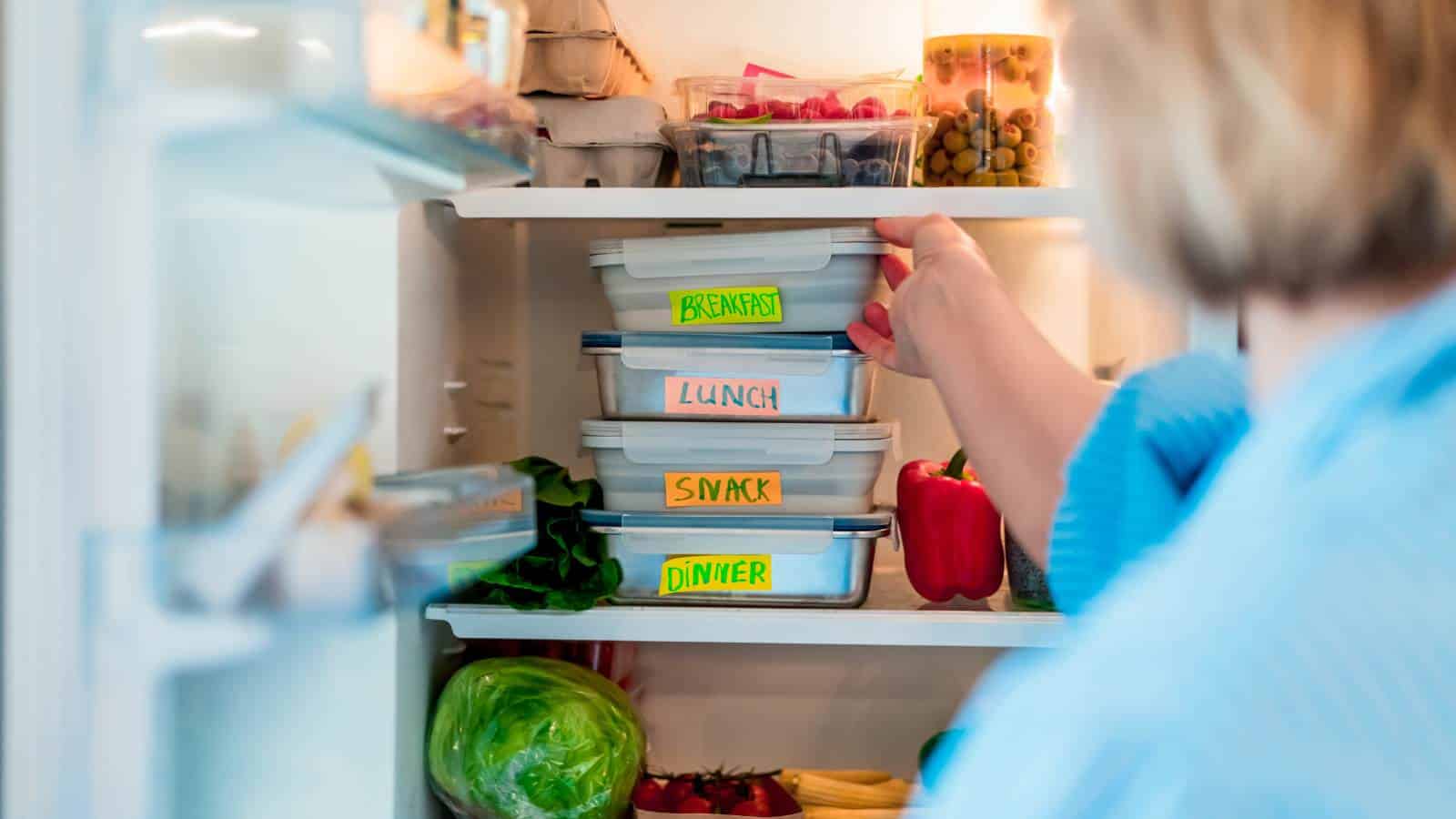
Better visibility can help, but more than storage influences food waste.
A more organized refrigerator or pantry doesn’t guarantee you’ll use the food. Households still face other challenges, including changing schedules, purchasing habits, storage conditions, and uncertainty about whether food is still safe to eat.
The USDA, EPA, and FDA recommendations focus on behaviors such as planning, checking supplies, and storing food correctly. They do not establish that a certain layout, container, or organizing style will eliminate waste.
The biggest benefit of organization isn’t how a kitchen looks. It is whether the system helps people notice and use what they already purchased.
The Bigger Goal Behind the Kitchen Reset
Household food habits are part of a larger national effort to reduce food waste.
The federal government has set a goal of reducing food waste by 50 percent by 2030. The USDA, EPA, and FDA have encouraged consumers to make practical changes in how they buy, store, and use food.
Those actions are only one part of the bigger food waste challenge, which occurs throughout the food system. But the household kitchen remains one place where people can clearly see the impact of their own decisions.
A refrigerator or pantry reset does not need to become a major project. The most supported habits are simple: know what you have, plan around it, and make food easier to find before you forget it.
The food most likely to end up in the trash is often not the food people never had. It is the food they bought, stored, and eventually stopped seeing.
What is one food item sitting in your kitchen right now that you bought, forgot about, and could still put to use?