A decade-long study of older adults in Japan found that people with more severe markers of periodontal disease had a higher observed dementia risk. Scientists say the findings add to research on the mouth-brain connection, but they do not show that gum disease causes Alzheimer’s disease.
A 10-year study of older adults in Japan has found that several signs of periodontal disease, including increased bleeding during dental examinations, were associated with a higher risk of developing dementia later in life.
The findings add to growing scientific interest in whether conditions outside the brain, including chronic inflammation linked to oral health, may influence processes involved in cognitive decline. But researchers emphasize that the results show a relationship between gum health and dementia risk, not proof that bleeding gums cause Alzheimer’s disease.
The study, published in the Journal of Clinical Periodontology, followed 1,396 adults aged 60 and older who did not have dementia when the research began. Over the 10-year follow-up period, 267 participants developed dementia, including 194 cases of Alzheimer’s disease.
The study was part of the long-running Hisayama Study in Japan, which has tracked health outcomes in a community population over time. Researchers assessed periodontal health using dental measurements including bleeding on probing, periodontal pocket depth, and clinical attachment loss.
“These findings support a potential role of poor periodontal health in dementia development,” the study authors, led by dental scientist Michiko Furuta of Kyushu University, wrote.
However, the researchers did not conclude that gum disease directly causes Alzheimer’s disease.
What the Study Found
The researchers found that participants with worse periodontal health measures had higher rates of dementia during follow-up.
Those in the group with the highest levels of bleeding on probing had a 56% higher relative risk of all-cause dementia compared with those in the lowest group. The study also found that participants with the deepest periodontal pockets had a 72% higher risk of all-cause dementia, while those with the greatest clinical attachment loss had a 59% higher risk.
Reports on the study also highlighted a higher observed Alzheimer’s risk among participants with greater bleeding on probing.
The numbers describe differences between groups in the study. They do not mean that a person with bleeding gums has a specific percentage chance of developing Alzheimer’s disease.
Bleeding gums are not a dementia diagnosis, and the study was not designed to predict an individual’s future health.
Why Scientists Are Looking at Inflammation and the Brain
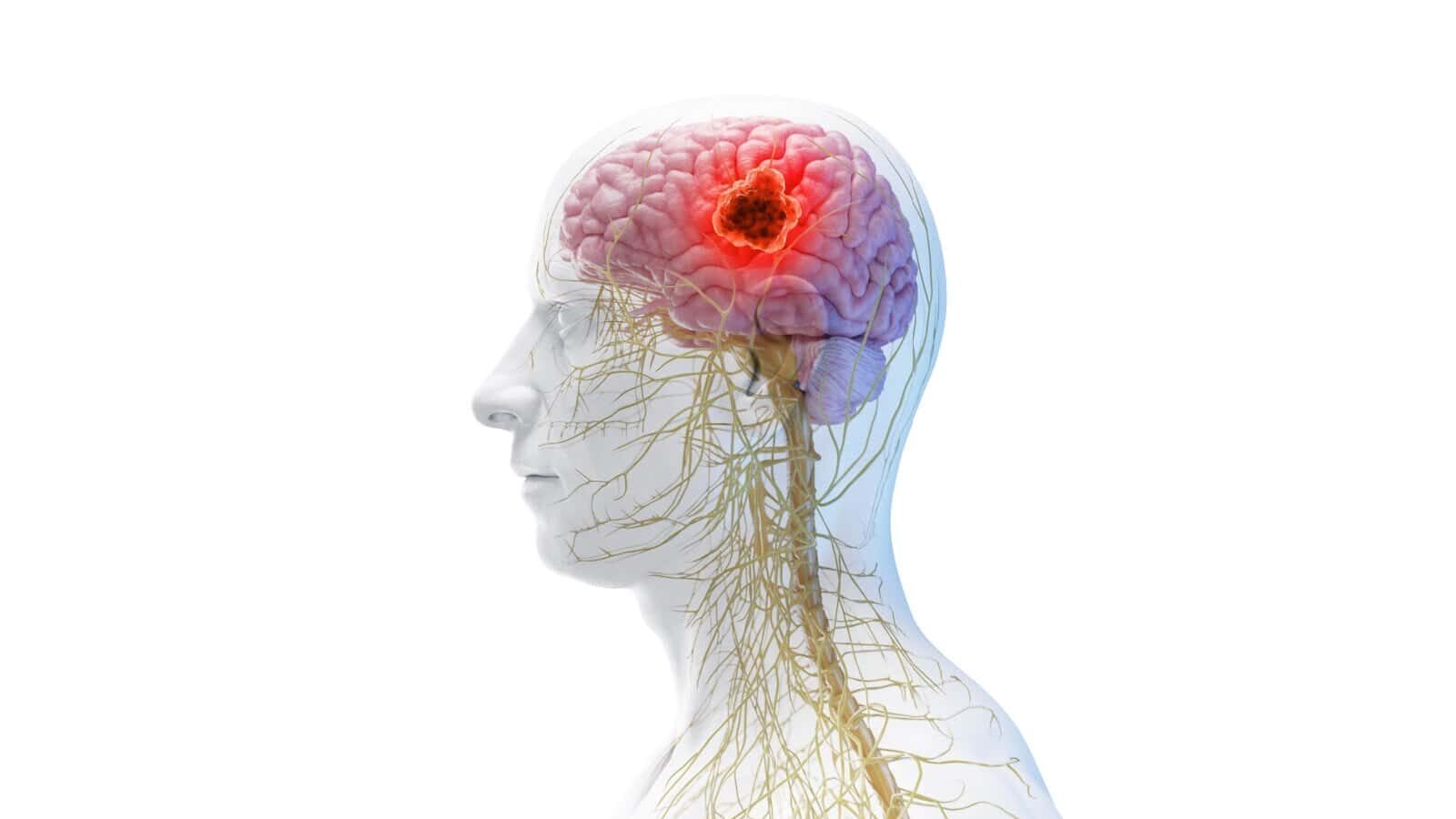
The possible relationship between oral health and brain health is part of a broader area of research examining how inflammation and immune responses may influence neurodegenerative diseases.
Scientists have become increasingly interested in the role of the immune system in conditions such as Alzheimer’s disease. Neurologist David Holtzman of Washington University in St. Louis has discussed how thinking in neuroscience has shifted as researchers have explored the role of immune responses in diseases involving protein accumulation in the brain.
“Until not that long ago, most people, including myself, did not think that the immune response was even involved in neurodegenerative diseases that are due to protein accumulation in the brain,” Holtzman said.
That broader research interest helps explain why scientists are studying possible links between chronic inflammation in the body (including inflammation associated with periodontal disease) and changes that occur in the brain.
But a possible biological pathway does not prove causation.
The Japanese study was observational, meaning researchers followed participants and examined whether certain health factors were linked with later outcomes. This type of research can identify associations, but it cannot determine whether one condition directly causes another.
Related: 7 Alarming Reasons America’s Dementia Crisis Is Becoming Too Big to Ignore
Other Factors May Explain Part of the Relationship
One challenge in studying gum disease and dementia is that many factors can influence both.
Save this article
Age is one example. Older adults are more likely to experience periodontal problems and are also at higher risk for dementia.
Other factors, including smoking, diabetes, education, diet, access to dental care, and overall health, may also affect both oral health and cognitive outcomes. Researchers can adjust for some of these influences, but observational studies cannot eliminate every possible explanation.
There is also the possibility that the relationship works in both directions.
While periodontal disease may contribute to broader inflammation, early cognitive changes could also make it harder for someone to maintain daily oral care, schedule dental visits, or manage health routines.
Researchers are still working to determine whether poor periodontal health contributes to dementia risk, reflects other health changes, or represents a combination of factors.
What Bleeding Gums Actually Mean
Although bleeding gums are not a sign of Alzheimer’s disease, dentists generally consider persistent gum bleeding worth evaluating.
The American Dental Association lists symptoms such as gums that bleed easily, swollen or tender gums, gum recession, persistent bad breath, and loose teeth as possible signs of gum disease.
Periodontal disease is common. CDC data show that nearly 42% of U.S. adults age 30 and older have periodontitis, including about 8% with severe disease.
For people experiencing regular gum bleeding, the practical step is a dental evaluation, not because it indicates Alzheimer’s, but because gum disease can affect oral health and may require treatment.
What the Study Does, And Does Not, Change
The new findings do not show that treating gum disease prevents Alzheimer’s disease.
They also do not mean that occasional bleeding while brushing is a warning sign of dementia.
Instead, the study adds another piece of evidence to a developing field of research examining how oral health, inflammation and aging may intersect.
Maintaining good oral hygiene, attending regular dental appointments and addressing persistent gum problems remain important for dental health. Whether improving periodontal health can influence dementia risk is a question researchers are still investigating.
The connection between the mouth and the brain appears to be more complicated than a single symptom or condition.
Have you ever changed your dental habits after learning more about the connection between oral health and overall health?