

GLP-1 drugs are now used by large numbers of women of reproductive age, which creates a growing practical question: what happens if someone becomes pregnant before realizing she should stop the medication? A new analysis combining data from tens of thousands of exposed pregnancies offers some reassurance, but it does not establish that GLP-1 drugs are safe to deliberately use during pregnancy.
Researchers combined findings from seven cohort studies involving more than 40,000 pregnancies exposed to GLP-1 receptor agonists around conception or during early pregnancy.
They did not find a statistically significant increase in overall congenital malformations or major congenital malformations after first-trimester exposure. The result is important because unplanned pregnancies can occur during treatment, leaving women worried about medication exposure before they knew they were pregnant.
Researchers combined seven large cohort studies
Instead of relying on a single hospital or pregnancy registry, researchers conducted a systematic review and meta-analysis of seven cohort studies examining pregnancy outcomes after exposure to GLP-1 receptor agonists. Pooling these studies gave them a much larger population in which to look for uncommon outcomes such as major birth defects.
The meta-analysis included more than 40,000 GLP-1-exposed pregnancies and compared their outcomes with pregnancies without GLP-1 exposure.
The drugs in this class include medications used for type 2 diabetes and obesity. As their use has expanded, accidental exposure during early pregnancy has become increasingly relevant, particularly because a person may continue taking a medication for several weeks before discovering she is pregnant.
Researchers focused on congenital malformations, including major structural abnormalities that can develop while organs are forming early in pregnancy.
Takeaway: Combining seven cohort studies allowed researchers to examine birth-defect outcomes across a much larger number of GLP-1-exposed pregnancies than most individual studies could provide.
Overall birth defects were not significantly higher
Across the combined studies, researchers did not find a statistically significant increase in congenital malformations among pregnancies exposed to GLP-1 receptor agonists compared with the control groups. The same general finding appeared when researchers focused more specifically on major congenital malformations.
That is meaningful because early pregnancy is the period when many major fetal structures begin developing and when medication exposures can sometimes have their greatest effect on birth-defect risk.
A lack of statistical significance does not prove that the risk is exactly identical between exposed and unexposed pregnancies. It means the available evidence did not show a clear increase large enough for researchers to distinguish from chance within these datasets.
For women who took a GLP-1 medication before realizing they were pregnant, that distinction can still provide useful context. An accidental early exposure does not automatically mean a major birth defect will occur.
Takeaway: The pooled evidence did not show a clear increase in overall or major congenital malformations after GLP-1 exposure.
First-trimester exposure was a major focus
The timing of exposure matters because the first trimester includes critical stages of organ development. Researchers therefore examined pregnancies in which GLP-1 drugs had been used during this early period rather than treating all pregnancy exposures as biologically equivalent.
The pooled analysis again did not identify a statistically significant increase in major congenital malformations after first-trimester exposure.
That finding is especially relevant to accidental exposure. A woman may be using semaglutide, liraglutide or another GLP-1 medication for diabetes or weight management, become pregnant unexpectedly and continue the drug briefly before taking a pregnancy test.
The analysis offers more information for clinicians counseling women in exactly that situation. It does not eliminate uncertainty, but it provides human data beyond the animal studies and small case reports that previously shaped much of the concern.
Related: Top 10 Most Unusual Pregnancy Cravings: Exploring the Strange, Gross, and Surprising
Takeaway: The absence of a clear first-trimester signal is particularly relevant for women who unknowingly used a GLP-1 medication during the earliest weeks of pregnancy.
Reassuring data do not mean the drugs are proven safe in pregnancy
This is the most important distinction in the study. Finding no statistically significant increase in birth defects is not the same as demonstrating that GLP-1 drugs are safe to start or continue intentionally throughout pregnancy.
The evidence came from observational cohort studies rather than randomized clinical trials. Women were not assigned to use GLP-1 medications during pregnancy, and the researchers could not control every difference between those who were exposed and those who were not.
Save this article
There may also be differences in the specific GLP-1 drug used, dose, length of exposure and reason for treatment. Someone taking a drug for type 2 diabetes may have a different baseline pregnancy risk from someone using it primarily for obesity.
Rare outcomes can remain difficult to detect even in large analyses, and the available studies cannot answer every question about fetal growth, pregnancy complications or longer-term child development.
Takeaway: The results are reassuring for accidental exposure, but they do not establish that GLP-1 medications should be used intentionally during pregnancy.
The mother’s underlying condition can complicate the numbers
One of the challenges in studying medication safety during pregnancy is separating the effects of the drug from the condition being treated. Many women taking GLP-1 medications have obesity, type 2 diabetes or other metabolic conditions that can themselves influence pregnancy outcomes.
Poorly controlled diabetes, for example, is independently associated with an increased risk of congenital malformations and several other pregnancy complications. Obesity can also influence maternal and fetal outcomes.
That means researchers cannot simply compare one group with another and assume every difference comes from the medication.
Large observational studies attempt to adjust for those factors, but some residual differences almost always remain. Meta-analysis can strengthen the evidence by combining multiple studies, yet it cannot remove the limitations built into the original datasets.
Takeaway: Pregnancy outcomes reflect both medication exposure and the health conditions for which those medications were prescribed, making cause and effect difficult to separate.
Why accidental exposure is becoming a bigger issue
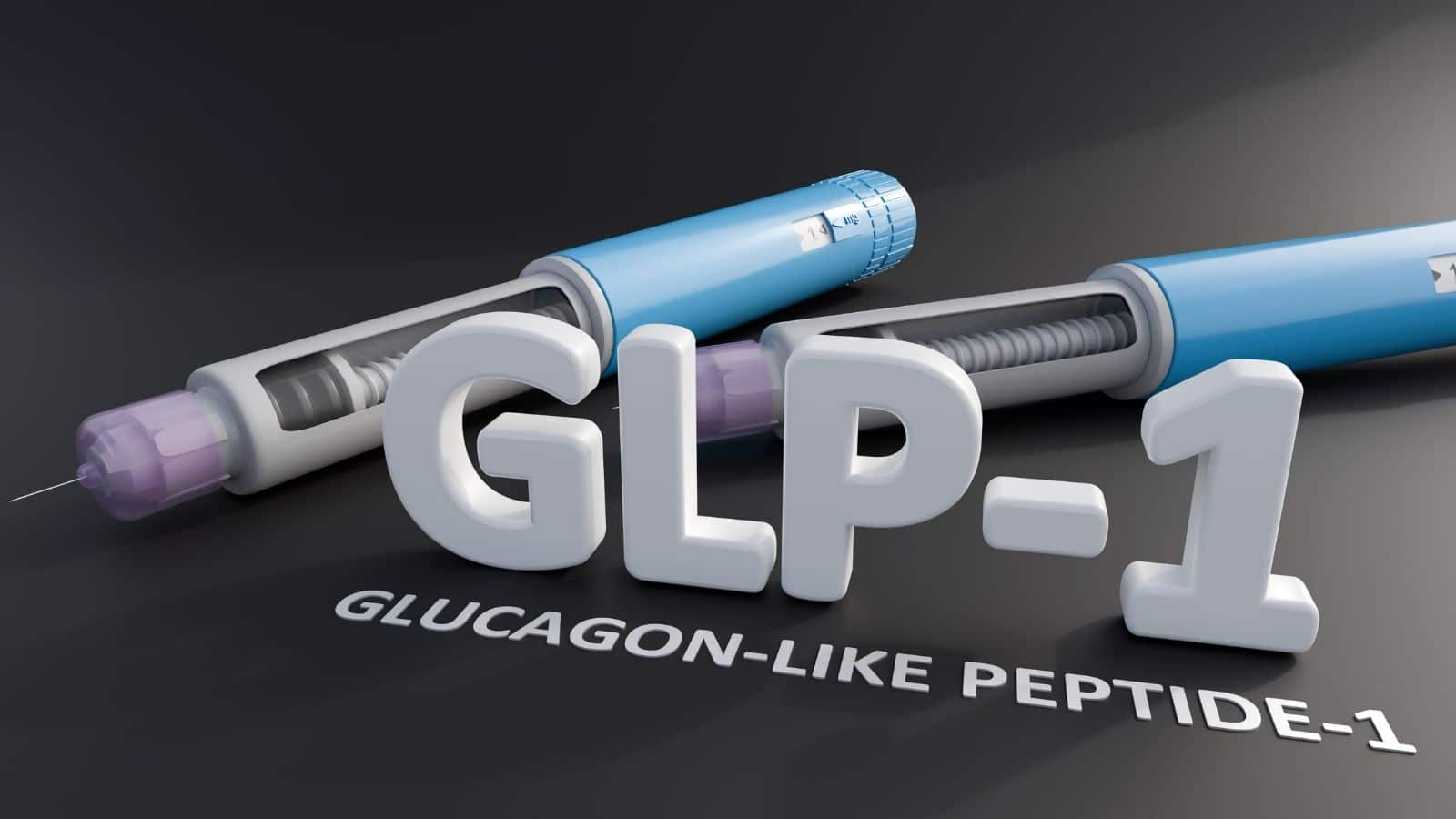
The question matters more now because GLP-1 medications have moved far beyond a relatively small diabetes population. They are increasingly prescribed for obesity, including to women in their 20s, 30s and 40s who may become pregnant.
Weight loss can also improve ovulation in some women with obesity or insulin resistance. For women whose cycles become more regular as metabolic health improves, fertility may increase even if conception was previously difficult.
That creates the possibility of pregnancy occurring unexpectedly during treatment.
Because GLP-1 medications remain in the body for varying periods depending on the drug, clinicians often recommend stopping them before a planned pregnancy. The appropriate timing depends on the specific medication and individual medical circumstances.
The new data may help reduce panic after an unintended exposure, but they do not replace preconception planning.
Takeaway: As more reproductive-aged women use GLP-1 medications, accidental exposure near conception is likely to become an increasingly common clinical question.
The next questions go beyond visible birth defects
Congenital malformations are only one part of pregnancy safety. Researchers still need stronger evidence on miscarriage, fetal growth, preterm birth, pregnancy complications and the long-term development of children exposed before birth.
Future studies will also need to separate individual medications rather than treating the GLP-1 class as one uniform exposure. Semaglutide, liraglutide, dulaglutide and other drugs differ in their pharmacology, and newer medications such as tirzepatide act on additional hormonal pathways.
Longer follow-up could help determine if an exposure that does not noticeably affect fetal anatomy has any subtler effects that become apparent later.
For now, the meta-analysis adds an important piece of evidence to a question that will become more common as GLP-1 use continues to grow.
Question for you. If someone accidentally used a GLP-1 drug before realizing she was pregnant, do you think findings like these would help reduce some of the immediate fear?