

Some people reach old age with the physical hallmarks of Alzheimer’s disease in their brains and still think and remember well. What is protecting them? A new study in Nature Neuroscience points to a candidate: a gene called Pla2g2f.
Researchers at Mass General Brigham, the Harvard Stem Cell Institute, and the Broad Institute of Harvard and MIT conducted the work. When they turned this gene’s activity up in aging mice, the animals held on to their memory. When they turned it down, brain aging got worse in a long list of ways.
There’s a big catch, and it’s worth saying early: the memory protection was shown in mice, not people. Nobody yet knows whether boosting this gene could help the human brain or be safe.
Still, how the gene appears to work, and a twist from its record in another organ, make this study worth a closer look.
A Gene Nobody Had Pegged for Brain Duty
The brain, it turns out, was already turning this gene up on its own.
Pla2g2f makes a secreted enzyme called a phospholipase, and until this study, nobody knew what it did in the brain.
Lead author Cinzia Vicidomini and senior author Amar Sahay began in the hippocampus, a region essential for memory. They searched for genes that switch on when synapses, the connections between neurons, are lost, and homed in on dentate granule cells, which help form and process memories. Pla2g2f levels rose with age and brain inflammation, suggesting a possible response to damage.
The idea has been public for a while. A preprint posted in July 2024, before peer review, already described Pla2g2f as a compensatory protective mechanism, and the study was published October 15.
The Dial Went Both Ways
One direction piled on damage; the other protected against much of it.
With Pla2g2f reduced in aging mice, synapse loss worsened. Microglia, the brain’s immune cells, became inflammatory, astrocytes became more reactive, and new neurons struggled to form and mature. Fat metabolism went off course, fat droplets built up in brain cells, and memory impairment deepened.
Turning it up held back many of those changes, kept neurons communicating, and preserved memory.
Timing was the standout. Boosting Pla2g2f in middle-aged mice, before substantial cognitive decline, changed the trajectory of their memory loss. That doesn’t reveal the best age to intervene in people, and it doesn’t show that advanced memory loss can be reversed.
The memory test was spatial. Mice with intact spatial memory tend to spend more time investigating an object that has been moved, so researchers could tell which animals remembered where it had been. It speaks to spatial memory specifically, not to memory in general.
Related: 7 Warning Signs of Memory Loss Often Mistaken for Normal Aging
The Cleanup Crew Has a Fat Problem
Part of the explanation seems to involve fat stored inside the brain’s immune cells.
Microglia, normally clear waste, help maintain synapses, and support neurons. With age and in Alzheimer’s disease, they can fill with lipid droplets, which are linked to poorer function and chronic inflammation.
In human microglia grown from induced pluripotent stem cells, neuronal PLA2G2F made a difference. More enzyme activity meant fewer lipid droplets and less cholesterol ester, a stored form of cholesterol. When the team disrupted the enzyme’s catalytic site, it could no longer mobilize lipid droplets or reduce inflammatory changes, which suggests its biochemical activity matters, not just its presence.
Together, the findings point to a neuron-released signal that may shape how other brain cells handle fat and inflammation. Because this part of the work used lab-grown cells, it speaks to mechanism, not treatment.
The Human Clue Came From Brain Donors
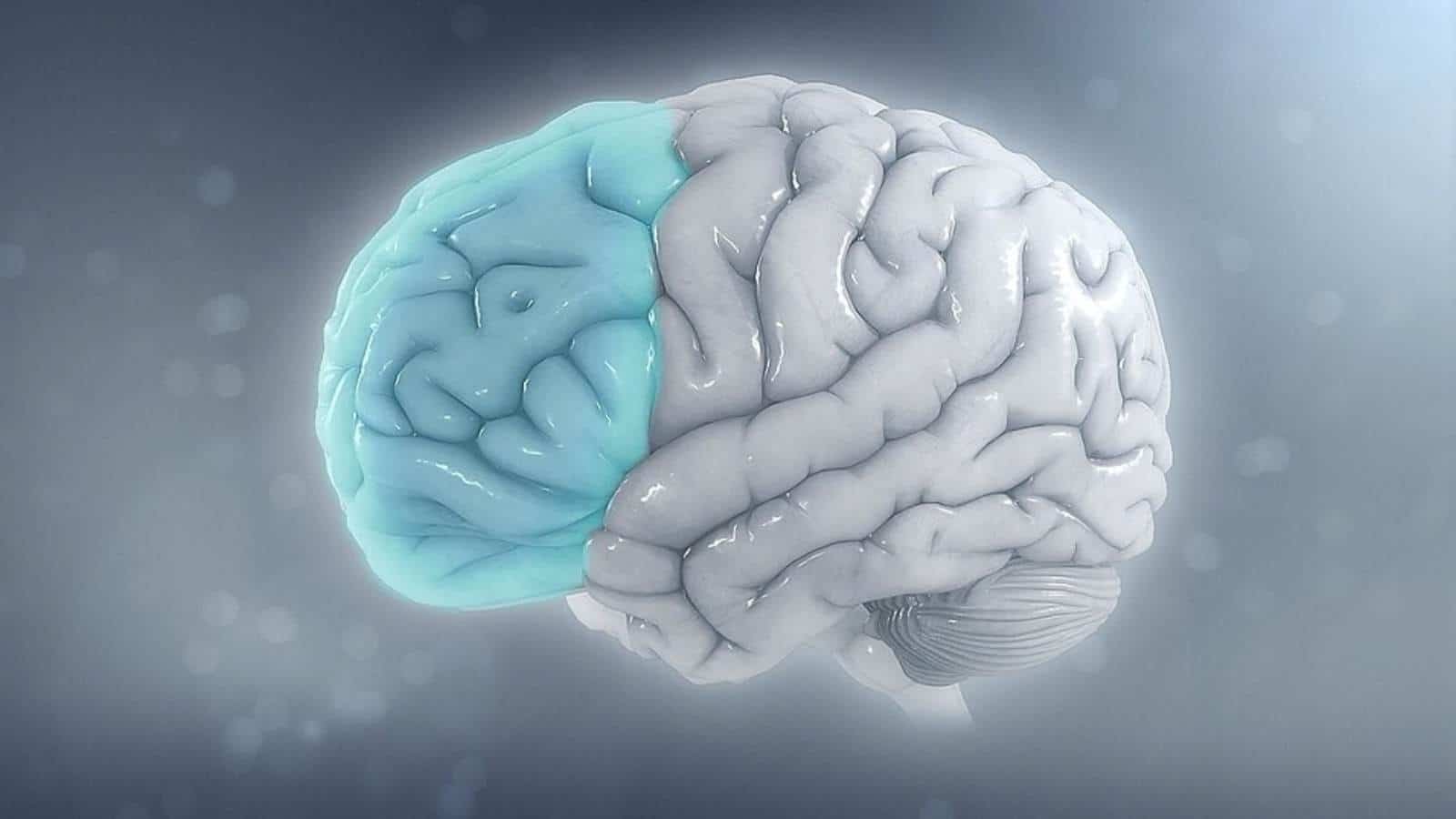
To see whether any of this tracked with real human brains, the team turned to donated ones.
The researchers first analyzed two large datasets assembled by other scientists and found that PLA2G2F activity in the human brain rises with age. They also worked with colleagues who had gene-expression data from deceased brain donors, who had taken cognitive tests before they died. That let the team match each person’s cognitive performance and memory with the gene’s activity in their brain, and with whether it had amyloid-β deposits linked to Alzheimer’s.
Activity was highest in the cognitively resilient donors, people whose thinking stayed intact despite those deposits. Timothy Hohman, a neuroscientist and geneticist at Vanderbilt Memory & Alzheimer’s Center, praised the approach: “This is a great example of how you can use a model system to get at some of these resilience mechanisms that are super challenging to study in humans.”
The donor comparison is observational; no one was given a gene-boosting treatment.
Where the Research Goes From Here
The team has a therapy in mind, with more studies still needed.
Sahay says the group is actively exploring ways to safely increase Pla2g2f levels in the aging brain and in Alzheimer’s disease as a possible therapeutic strategy. His team’s findings suggest that raising its activity during aging could potentially help maintain cognitive resilience and delay or prevent the onset of mild cognitive impairment and Alzheimer’s. That’s a prospect, not a demonstrated outcome.
“Additional studies will be needed to determine whether this approach can be safely translated into therapies for patients,” he said.
No human trial date or availability timeline has been given, and the research doesn’t point to a diet, supplement, or exercise routine that raises Pla2g2f.
Sahay and Vicidomini are named co-inventors on a patent covering vectors and methods for treating neurodegeneration, delaying cognitive decline and improving memory. The disclosure itself doesn’t indicate a licensed product or an approved treatment.
A Twist From the Skin
Researchers had studied this enzyme before, in a completely different setting.
A 2015 study in the Journal of Experimental Medicine looked at PLA2G2F in skin. Mice engineered to overproduce it developed psoriasis-like thickening of the epidermis. Mice lacking the gene were more resistant to experimental psoriasis, contact dermatitis, and chemically induced skin cancer, though their outer skin barrier was more fragile.
In human skin, researchers detected the enzyme in the upper epidermis, with stronger staining in thickened, psoriasis-like skin, though the causal evidence came mainly from mouse and cell work.
None of that suggests a brain therapy would cause skin problems, and the skin study doesn’t claim it. It reminds us that “protective” may depend on where the enzyme acts, so where and how it gets boosted will matter.
If a treatment ever existed that strengthened the brain’s own defenses, would you want it before any memory trouble showed up, or only after?