

Researchers at the Keck School of Medicine of USC showed a group of children pictures of cookies and French fries while an MRI scanner tracked their brains’ responses. Then they waited a year and checked how those children’s bodies had changed.
Ultra-processed foods have previously been linked to weight gain. What’s still unresolved is whether the brain’s reward system plays a part in how diet and body size connect, and this study, published in JAMA Network Open, takes a swing at it.
Some of the headlines that followed have already gone further than the science does. The careful version is the more interesting one anyway.
It involves a small group of children, a brain region most of us never think about, and two percentages that are easy to misread. It also comes with a pointed argument from the lead researcher about who should be responsible for what kids eat.
The Scans Pointed to One Brain Region
A brain region involved in reward and motivation reacted more strongly in some kids than in others.
The study found that children who ate more ultra-processed foods had stronger responses to the food pictures in the dorsal striatum, a region tied to reward and motivation. Those stronger responses were also reflected in body measurements. They were associated with increases in BMI and body fat percentage a year later.
Diet also connected to body size. By the end of the year, children with higher ultra-processed intake also had bigger waist circumferences, higher BMI, and more body fat.
That left the team with a question worth testing. If the brain response sits somewhere in the middle of this story, how much of the diet-and-weight link does it account for?
Every Child Started at a Healthy Weight
Who was in the study shapes what the results can mean.
Senior author Dr. Kathleen A. Page, a professor of medicine and pediatrics and co-chief of the Division of Endocrinology and Diabetes at the Keck School, worked with 46 children ages 7 to 10. The average age was 8.7, and all of them were already part of BrainChild, a longer-term study of diabetes and obesity risk.
Every child began at a healthy weight. That let the team look for early risk patterns in kids who weren’t already living with obesity.
At the start, each child underwent a functional MRI while viewing food images, and researchers recorded their diets along with BMI, body fat percentage, and waist circumference. A year later, they repeated the body measurements.
Related: Scientists warn that these 7 processed foods are linked to early cognitive decline
Two Percentages That Are Easy to Misread
The 31% and 44% figures sound dramatic until you see what they measure.
To test whether the brain was part of the picture, the team statistically accounted for differences in dorsal striatum responses and checked what happened to the diet connection. The link between ultra-processed food intake and BMI weakened by 31%. The link with body fat percentage weakened by 44%.
The researchers read that as a sign that reward-related brain activity may help explain part of the relationship between diet and body composition. Brain response appears to be one possible piece of the connection, with the rest still unexplained.
It doesn’t mean BMI rose 31%, or that the brain accounts for 44% of a child’s weight gain. The numbers describe how much a statistical link shrank, and they don’t promise that cutting back on processed foods would deliver a matching benefit.
The Grocery Aisle Is Part of the Story
Page argues parents can’t solve this alone.
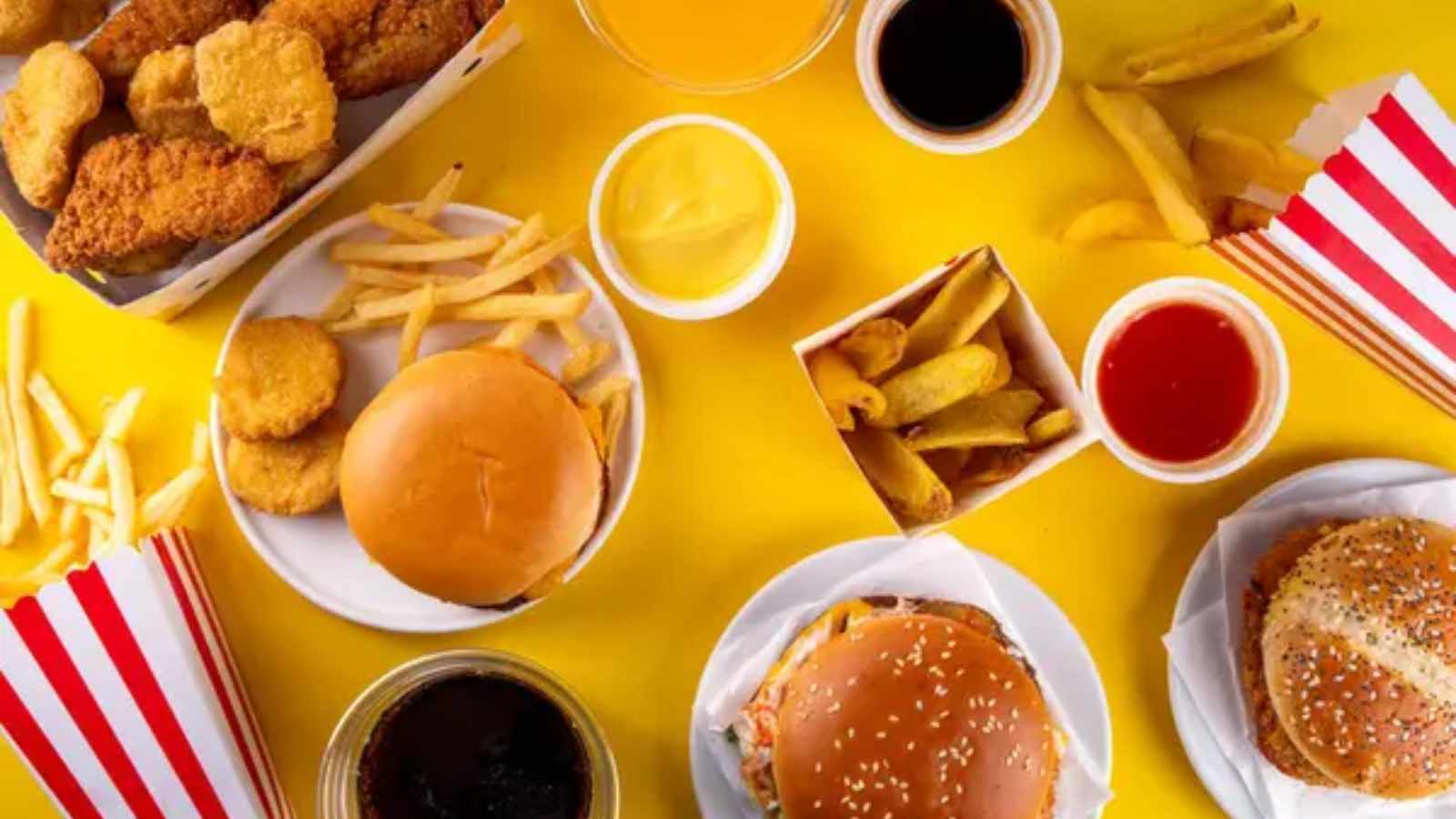
Ultra-processed foods are manufactured products designed to be appealing, convenient, and shelf-stable, often made with ingredients that don’t show up in a home kitchen, like colors, emulsifiers, flavors, and stabilizers.
Sugary cereals, packaged baked goods, instant soups, and deli cold cuts all fall into that category.
Nationally, they account for about 67% of the daily calories U.S. children eat, a background estimate rather than a result of this study. Because the foods are so accessible, affordable, and convenient, Page says improving kids’ diets can’t rest on families alone. “Changing the food environment to help people access healthier, more minimally processed foods is an important part of the solution,” she said.
Gupta goes further, calling for limits on advertising foods high in fat, salt, and sugar to children, including cartoon characters, celebrity endorsements, and promotional offers. That’s a policy position, and the study didn’t measure exposure to advertising.
Advice Is Piling Up, but the Study Didn’t Test It
Childhood is the window Page cares about most.
She says it’s the period to watch. “Children’s brains are still developing, habits are still forming and food preferences are still being made. It’s an important period where the brain is very sensitive to food and the food environment,” she said.
Dr. Anand Narayanan, a pediatrics consultant at Sarvodaya Hospital, favors balanced eating, limiting ultra-processed foods without making kids anxious about food and supporting healthy routines. Other recommendations that have circulated include home-cooked meals built around fruits, vegetables, whole grains, pulses and enough protein, plus activity, sleep and consistent mealtimes.
None of that was tested here. The findings don’t set a safe intake level or point to a required elimination diet, and they can’t say which foods or additives might be responsible for the patterns.
So Does Ultra-Processed Food Actually Change Kids’ Brains?
Nobody knows yet, and the team has a plan to find out.
Page hopes to run an intervention that gives children more minimally processed foods, then checks whether their brain responses and later weight gain shift. A trial like that would address cause directly, which an observational study can’t. No start date has been shared.
Even then, some questions would remain. The study didn’t assess whether the children felt stronger cravings or ate more after seeing the pictures, and it can’t say whether particular foods or additives drive the pattern.
BrainChild is expected to follow participants through puberty and into young adulthood, so the kids who viewed those food photos will keep adding data as their bodies and habits change.
If you could change one thing about how food is sold to kids, what would it be?
More Articles You Might Be Interested in:
- Data-Driven Shockwave: America’s Ultra-Processed Food Economy Now Dominates 55% of Daily Calories
- A Giant New Study Tied an Extra 3½ Ounces of Ultra-Processed Food a Day to Higher Health Risks
- Study Finds Most Toddler Foods Are Ultra-Processed, With Many Missing Nutrition Benchmarks