

Strolling through an art gallery or museum once a week is linked to a 4% slowdown in biological aging, matching the cellular protection of weekly physical exercise.
For decades, public health advice has treated treadmill miles and heavy weights as the ultimate defense against getting old. Now, landmark research published in Innovation in Aging by University College London (UCL) scientists shows that cultural outings leave an equally powerful mark on human DNA. Analyzing blood samples and lifestyle surveys from 3,556 British adults, the team found that weekly arts participation, from browsing museums to singing in a choir, shaves roughly one full year off a person’s biological age.
Lead author Professor Daisy Fancourt, who directs the World Health Organization (WHO) Collaborating Center on Arts and Health at UCL, underscored the importance of this shift. “These results demonstrate the health impact of the arts at a biological level,” Fancourt stated, noting that cultural engagement deserves recognition alongside exercise as a core health-promoting habit. It is a major boost for the global wellness trend where doctors prescribe aesthetic and creative experiences to extend human healthspan.
Background On Biological Clocks And Epigenetics
Scientists measure internal cellular wear and tear by tracking chemical bookmarks called methyl molecules that accumulate on DNA over a lifetime.
Chronological age simply counts the birthdays on a calendar, whereas biological age reveals how well cells and organs actually function. Inside the body, tiny methyl molecules attach to predictable sites across the genome in a process called DNA methylation. Methylation never alters the underlying genetic code, but it acts like a dimmer switch that toggles genes on or off as wear and tear builds up.
To see whether leisure habits slow this molecular clock, Fancourt and senior author Dr. Feifei Bu examined more than 850,000 methylation sites from participants in the UK Household Longitudinal Study. They tracked active hobbies such as painting, crafting, photography, and dancing, as well as cultural visits to museums, galleries, libraries, and heritage sites. Using a doubly robust statistical method, the researchers controlled for household income, education, body mass index (BMI), drinking, and smoking to isolate the true impact of the arts.
Related: 13 Things People Over 70 Say Younger Generations Get Wrong About Aging
Only The Newest Clocks Picked Up The Signal
While older epigenetic tests only track calendar birthdays, advanced second- and third-generation clocks revealed a clear dose-response link between cultural variety and slower cellular decay.
The UCL team tested blood samples collected between 2010 and 2012 against seven different epigenetic clocks spanning three generations of design. First-generation clocks missed the benefits of both art and exercise entirely because they were trained only on chronological age. Second-generation clocks like PhenoAge include clinical disease biomarkers, while third-generation clocks like DunedinPACE act like speedometers, measuring how fast aging accumulates right now.
On the DunedinPACE speedometer, enjoying cultural activities just three times a year slowed the aging pace by 2%, while monthly trips slowed it by 3% to 4%. Better yet, people who mixed up their routine with a wider variety of arts activities gained extra cellular protection, no matter how often they went. “Our study also suggests that engaging in a variety of arts activities may be helpful,” Fancourt noted, explaining that different hobbies deliver unique social, cognitive, emotional, and sensory ingredients.
Lab experiments help explain how those creative ingredients shield DNA from chronic stress. Listening to music boosts genes tied to dopamine secretion and brain cell growth while quieting microRNAs that drive inflammation. Northwestern University cardiologist Dr. Doug Vaughan notes that art breaks the cycle of chronic stress and high cortisol, stopping the cellular inflammation that prematurely ages the body.
Arts And Exercise Show Comparable Effects
Direct comparisons across advanced epigenetic clocks show that weekly cultural outings match, or even slightly exceed, the anti-aging metrics of weekly workouts.
Those molecular bookmarks on human DNA barely care whether a person gets their weekly stimulation sweating on a treadmill or staring at a Rothko painting. Weekly workouts and weekly museum or arts outings both slowed the pace of aging by up to 4% on the DunedinPACE clock, a health gap comparable to the difference between current and former smokers. Even more surprising, weekly arts lovers looked about 1.0 year biologically younger on the PhenoAge clock, while weekly exercisers clocked in at 0.59 years younger.
That protective boost was strongest in adults aged 40 and older, when epigenetic aging normally starts speeding up. “Our study provides the first evidence that arts and cultural engagement is linked to a slower pace of biological aging,” said senior author Dr. Feifei Bu, tying the results to lower inflammation and better heart health. Side-by-side data from the major 2026 longevity studies show just how reliably cultural habits track with younger bodies.
Latest Developments In Cultural Longevity And Scientific Context
Independent clinical research from Tokyo and cautious evaluations from genetic pioneers confirm both the promise and the observational limits of cultural longevity.
Supporting the UCL DNA findings, a July 2026 study led by Yusuke Matsuyama at the Institute of Science Tokyo tracked 1,899 older adults and was published in the Journal of Epidemiology and Community Health. Measuring physical markers such as grip strength, walking speed, lung function, cholesterol, and blood pressure, the team found that frequent museum, theater, and moviegoers had a physiological age of 66.9 years, compared with 69.9 years for non-goers. Each point gained on a person’s cultural engagement score shaved a full 31 days (0.085 years) off their physiological age.
Still, independent researchers caution that observational data cannot prove direct cause and effect. UCLA geneticist Professor Steve Horvath, who invented the epigenetic clock, praised the UCL paper as “methodologically careful” but pointed to the chicken-and-egg dilemma. “So when researchers find that the people who go to museums have younger epigenetic age, we cannot tell whether the museum visits slowed their aging, or whether their slower aging is what allowed them to keep visiting museums,” Horvath explained.
The UCL authors also noted a few study hurdles: the blood samples were over a decade old, the study included only white European participants, and it measured blood methylation rather than muscle or brain tissue directly. Even so, Horvath stressed that because mental and social activity consistently supports healthier aging, the real-world advice stays simple: “The prescription is the same. Keep going.”
Why This Matters For Public Health And Everyday Longevity
Recognizing cultural participation as a biological buffer transforms museums and community arts from luxury pastimes into accessible public health infrastructure.
Doctors in Canada and cities in Switzerland have already started testing “art prescriptions,” handing out free museum passes to help patients manage stress and mental health. Functional health expert Jessica Mack notes that creative outlets are not just extra hobbies; they directly help the body regulate stress hormones, mood, and cellular resilience.
While a gallery stroll should complement, not replace, the gym, arts engagement offers an accessible longevity boost for caregivers, retirees, and anyone with limited mobility.
Final Blueprint For Healthy Aging
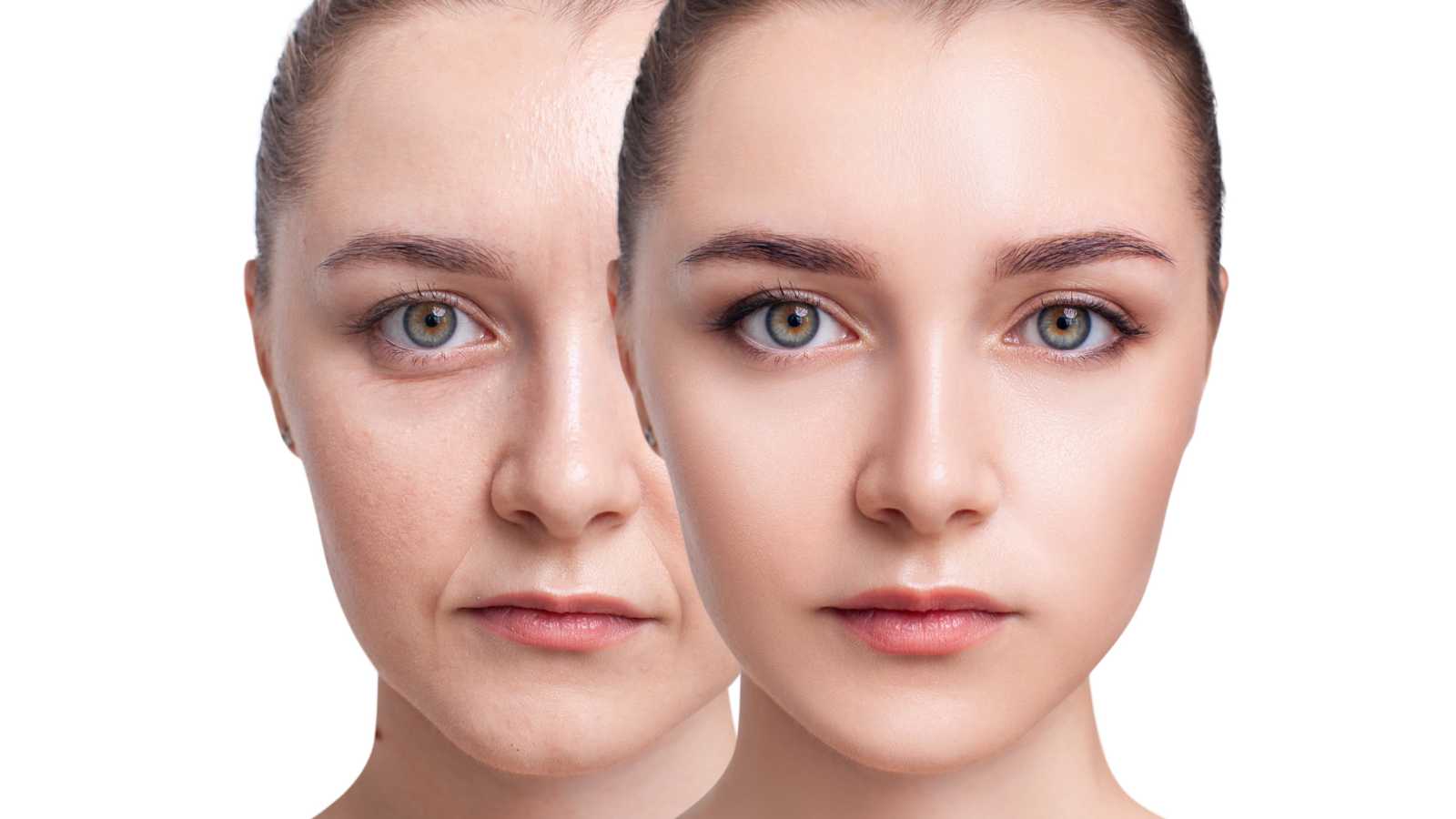
Combining regular physical movement with diverse weekly cultural experiences provides a dual molecular defense against accelerated aging after age 40.
Whether wandering through a museum, singing in a local choir, or diving into a novel, aesthetic novelty feeds the brain and helps slow cellular wear and tear.
Which creative or cultural activities make the biggest difference in how energized and youthful people feel in everyday life, and how might local communities make those experiences easier to access?