

People living with knee arthritis often look for ways to manage pain without relying entirely on medication. Now, researchers have discovered that a relatively simple dietary supplement could help. A clinical trial led by scientists at the University of Nottingham found that taking inulin, a type of prebiotic fiber, was associated with reduced knee pain, improved grip strength, and lower pain sensitivity.
The findings, published in the journal Nutrients, also reveal an interesting connection between gut bacteria and how the body experiences discomfort. Researchers found changes in certain substances produced by gut bacteria, alongside increased levels of a hormone involved in several important bodily functions.
Although the study lasted just six weeks, its results raise an interesting possibility: improving gut health could become another approach to managing osteoarthritis symptoms.
Researchers Tested a Fiber Supplement in People With Knee Arthritis
Knee osteoarthritis is a condition in which tissues within the knee joint gradually deteriorate. Cartilage, which cushions the ends of bones and allows the joint to move smoothly, can wear down over time, contributing to pain, stiffness, swelling, and difficulty with everyday activities.
Walking, climbing stairs, and getting up from a chair can become increasingly uncomfortable. Although treatments such as pain medication, physical therapy, and regular exercise can help manage symptoms, maintaining an exercise routine may be difficult for people already experiencing persistent pain.
To investigate another possible approach, researchers conducted the INSPIRE trial, a six-week randomized controlled study involving 117 adults with knee osteoarthritis.
Participants were divided into four groups. One received a daily inulin supplement, another followed digitally supported physical therapy exercises, while a third combined both approaches. The remaining participants received a placebo.
This allowed the researchers to examine whether the fiber supplement and physical therapy could independently reduce pain and whether combining them offered additional benefits.
Why Researchers Chose Inulin Instead of Ordinary Fiber
The supplement tested in the study was inulin, a naturally occurring type of fiber found in foods such as chicory root, Jerusalem artichokes, and certain vegetables.
Unlike nutrients that are broken down and absorbed in the small intestine, inulin passes through to the large intestine. There, beneficial gut bacteria use it as a food source.
This makes inulin a prebiotic. Prebiotics nourish microorganisms already living in the digestive system, while probiotics are live microorganisms that can provide health benefits when consumed in adequate amounts.
The distinction matters because researchers wanted to know whether feeding beneficial gut bacteria could influence processes beyond digestion.
When these bacteria break down inulin, they produce substances called short-chain fatty acids. One of these is butyrate, which helps support the intestinal lining and can influence inflammation and pain-related biological pathways.
During the trial, researchers found increased butyrate levels among participants taking inulin. This suggested that the supplement was changing activity within their gut microbiome.
Related: 8 High-Fiber Foods That Improve Digestion Naturally
The Supplement Was Associated With Less Pain and Better Strength
The results showed that both inulin supplementation and physical therapy independently reduced knee pain. However, participants taking inulin experienced additional improvements that were not observed with physical therapy alone.
These included improved grip strength and reduced pain sensitivity. Grip strength measures how firmly a person can hold or squeeze an object and is commonly used to assess muscle function.
The reduction in pain sensitivity was particularly interesting. It refers to how strongly the nervous system responds to potentially painful stimulation.
For people with osteoarthritis, discomfort isn’t always explained entirely by visible damage within a joint. The way the nervous system processes pain can also influence how severe symptoms feel.
The improvement in grip strength was another unexpected finding because the study focused on knee osteoarthritis rather than conditions affecting the hands.
Researchers want to understand whether changes in the digestive system could affect muscle function in different parts of the body.
What Gut Bacteria and GLP-1 Have to Do With Pain
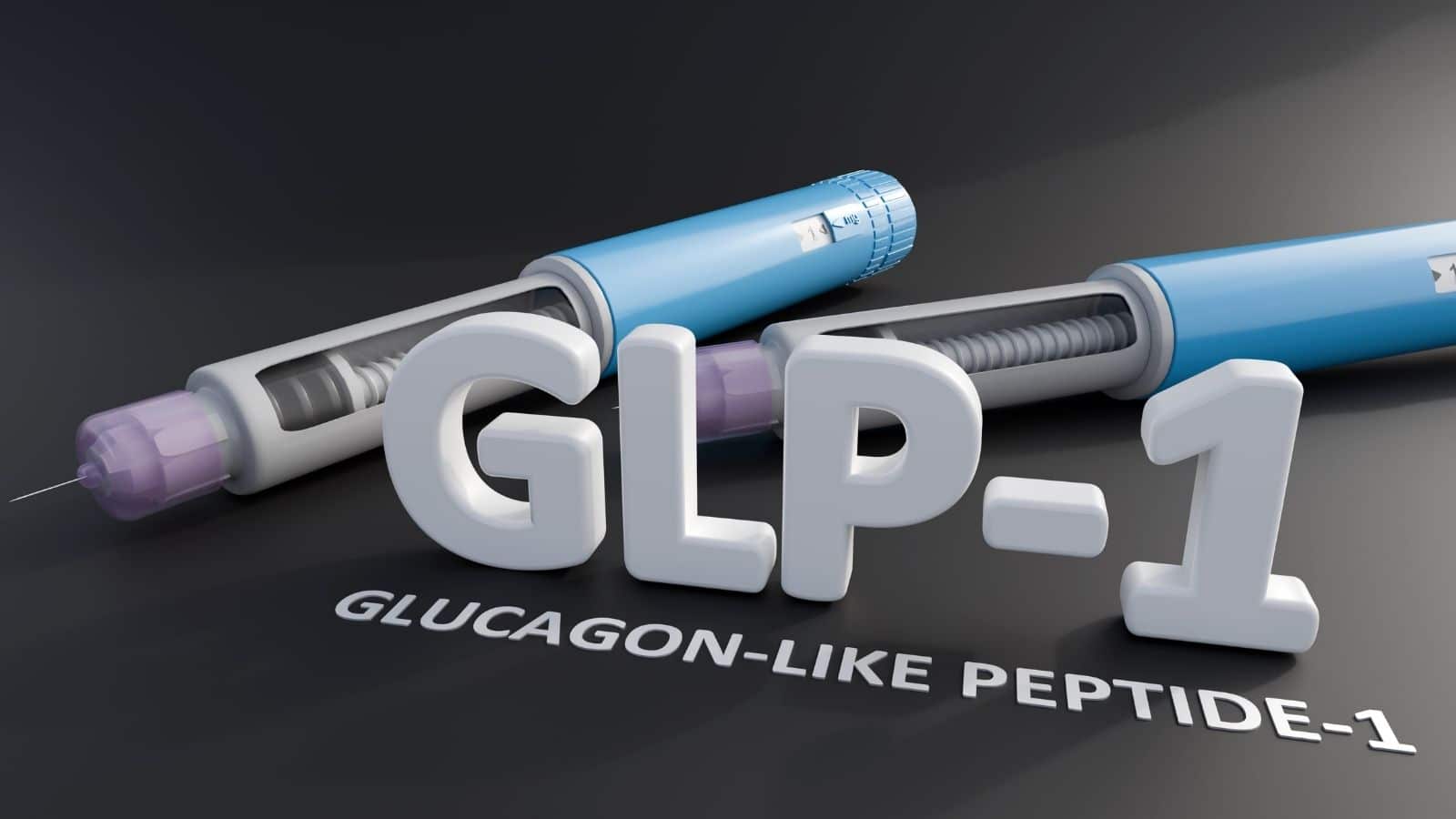
Another important finding involved glucagon-like peptide 1, commonly known as GLP-1. This hormone is released by the gut and helps regulate blood sugar and appetite.
It has also attracted scientific interest because of its potential connections to pain regulation and muscle health. Many people are familiar with GLP-1 because medications such as Ozempic and Wegovy target it.
However, the supplement tested in this study was not a GLP-1 medication. Researchers were investigating whether supporting beneficial gut bacteria with inulin could influence the body’s own production of this hormone.
Participants taking inulin had higher GLP-1 levels. The researchers also observed an association between higher hormone levels and better grip strength.
This does not prove that GLP-1 directly caused the improvement in muscle strength. However, it gives scientists another reason to investigate how the digestive system, hormones, muscles, and nervous system may interact.
Professor Ana Valdes, the study’s senior author at the University of Nottingham’s School of Medicine, described this relationship as a potential gut-muscle pain connection that deserves further investigation.
Fiber Supplement Participants Were More Likely to Complete the Study
The researchers also noticed a difference in how consistently participants followed their assigned treatments.
Only 3.6% of those taking inulin alone dropped out of the study. Among participants assigned to physical therapy alone, the dropout rate was 21%.
This difference suggests that a daily supplement may be easier for some people to incorporate into their routines than a structured exercise program.
For someone dealing with persistent knee discomfort, following physical therapy exercises can require considerable effort and consistency. Taking a supplement with breakfast or yogurt may involve a simpler daily routine.
However, the dropout figures do not establish that fiber is more effective than physical therapy. Both approaches independently reduced knee pain, and the researchers did not conclude that supplements should replace exercise.
What the Findings Mean for People With Arthritis
The results offer an encouraging direction for arthritis research, particularly because they connect gut health with pain perception and physical function.
Nevertheless, the trial involved only 117 adults and lasted six weeks. Larger studies with longer follow-up periods are needed to establish whether the improvements persist and which people are most likely to benefit.
Researchers also need to understand the biological processes behind the observed changes in pain, butyrate, and GLP-1.
For now, the findings do not establish inulin as a cure for osteoarthritis or a replacement for established treatments. Instead, they suggest that prebiotic fiber could become an additional area of interest in arthritis management.
Perhaps the most interesting lesson is that scientists are looking beyond the joints themselves to understand persistent pain. The bacteria living in the digestive system may have a more important relationship with muscle function and pain perception than researchers once appreciated.
Could something as simple as adding more fiber to your diet help reduce arthritis pain, and would you consider trying a prebiotic supplement as part of managing joint discomfort?