

Most people have a feeling about clutter. Some people cannot relax until the counters are clear, while others swear their best ideas come from a desk buried in papers. As it turns out, researchers have tested both sides, and the results suggest that the state of a room can nudge how people act in small but measurable ways.
The best-known work comes from psychological scientist Kathleen Vohs and her colleagues at the University of Minnesota, who ran a series of experiments in tidy and messy rooms for a 2013 paper in Psychological Science. Neuroscience research from Princeton adds another piece of the picture. Here are 6 things the studies found.
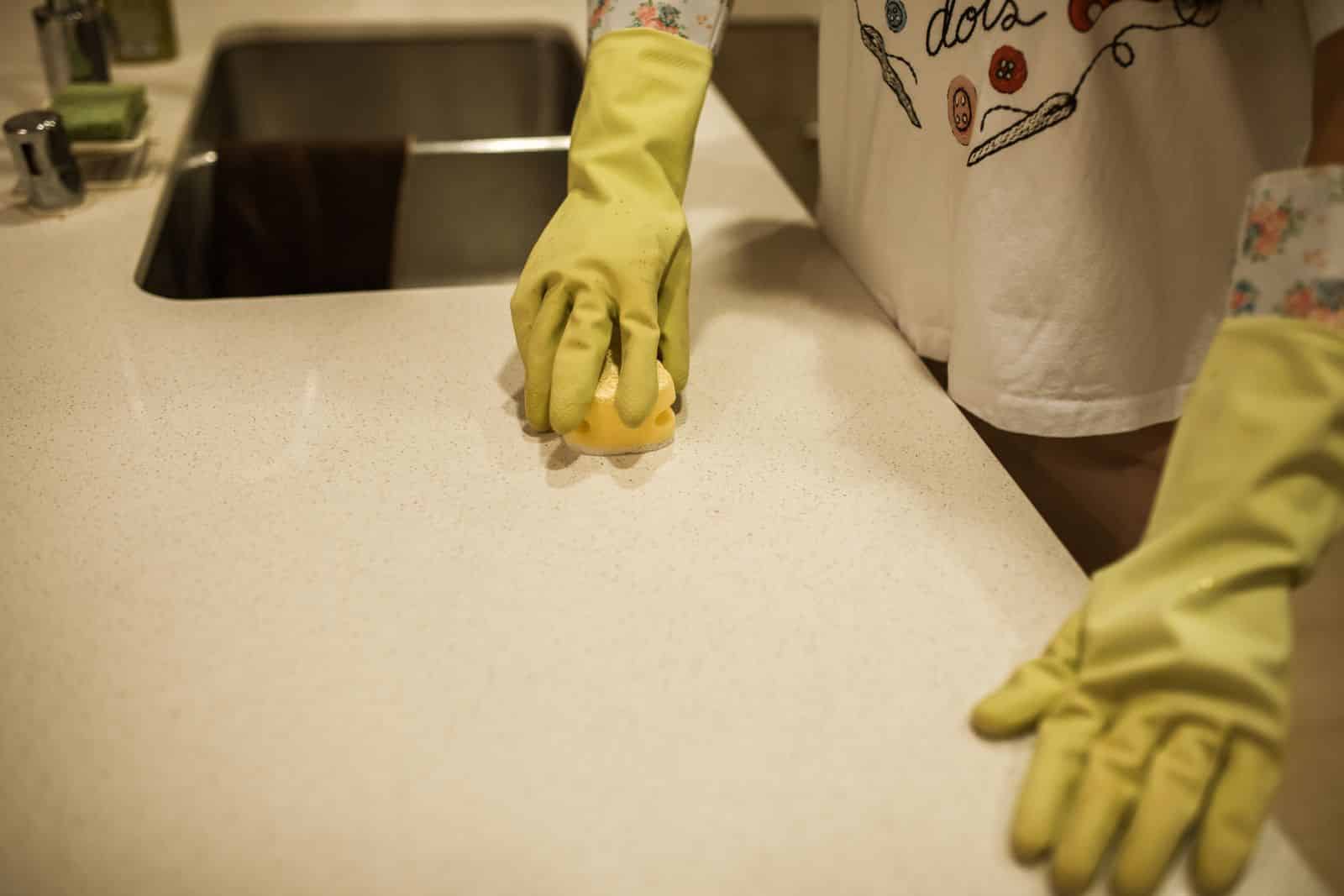
1. People in a tidy room gave more
In the first experiment, participants filled out questionnaires in either a clean, orderly office or a cluttered one with papers strewn about. Afterward, they had the chance to donate to charity. According to the Association for Psychological Science’s release on the study, people who sat in the clean room donated more of their own money.
Clearing the space does not have to mean a full renovation. Often it starts with getting rid of the kitchen tools that are a total waste of space and freeing up the counters used every day.
2. They were more likely to pick the apple
On their way out of that same experiment, participants could take a snack, either a chocolate bar or an apple. Those who had been sitting in the tidy office were more likely to choose the apple. Vohs and her team suggested that orderly settings seem to encourage people to do what is expected of them, and that pattern showed up in both the donations and the snack choice.
Small, generous choices like these also show up among the traits that separate genuinely good people from everyone else.
3. Tidy rooms nudged people toward the classics
In another experiment, participants chose between a new product and an established one. People in the messy room were more likely to prefer the new option, while those in the tidy room leaned toward the established one. The researchers ran the studies in six different locations and reported that the specific room did not matter, only whether it was neat or not.
That kind of order is easier to keep when everything has a home, from the dish towels to the backyard, where elevated garden beds for fall greens and herbs keep a small patio neat. It is also why so many guides to finding a better work-life balance start with a person’s surroundings.
4. A messy room sparked more creative ideas
Clutter had its own payoff. When participants were asked to come up with new uses for ping-pong balls, both groups produced the same number of ideas. But impartial judges rated the ideas from people in the messy room as more interesting and creative. Vohs and her co-authors concluded that disorder may help people break away from convention, which is useful when the goal is a fresh idea.
So people who do their best brainstorming surrounded by stacks of notes have the research on their side, at least for that part of the day. The trick is knowing when to switch modes, which is also at the heart of most advice on how to stop procrastinating.

5. Clutter competes for attention
Princeton psychology professor Sabine Kastner has spent about two decades studying attention. As the Princeton Alumni Weekly reported, her work has found that visual clutter competes with the brain’s ability to pay attention. In brain-imaging studies, when a second object appeared in someone’s field of view while they focused on another, a fuzzy version of that second object still showed up in the scans.
Kastner describes a push toward the thing a person is looking for and a pull from everything else around it. The more objects in view, the more filtering the brain has to do, and over time that extra work can wear down focus.
6. A few minutes of tidying can sharpen focus
Kastner’s practical advice is simple: lower the shades while working, or spend a few minutes tidying the workspace before starting. A spotless house is not required. Clearing just the area directly in front of the desk chair can cut down on the visual noise competing for attention.
Tidy or Messy?
The research suggests there is no need to pick a side for good. A tidy space seems to support focus and steady, expected choices, while a little mess can help when a new idea is needed. Many people get the best of both by keeping the kitchen counters and the main work area clear, and giving themselves one spot, like a bulletin board or a craft table, where creative clutter is allowed to pile up.
Before tackling something that needs full attention, a five-minute reset is an easy experiment to try.
This article was written with the help of AI tools and checked against the sources linked above.




