

A winter storm watch means a significant storm is possible, a winter storm warning means one is happening or expected, and a winter weather advisory means wintry weather is on the way but falls short of a warning. A blizzard warning is the strictest of the group on wind and visibility, requiring frequent gusts of at least 35 mph for 3 hours or more.
Those definitions come from the National Weather Service, and the differences decide whether a Thanksgiving drive is a nuisance or a bad idea. With the busiest travel days of the year approaching, the terms are worth sorting out before an alert pings a phone. Travelers who are flying can at least keep things simple with a carry-on suitcase that skips the checked-bag fee, which makes rebooking after a weather delay a little easier.
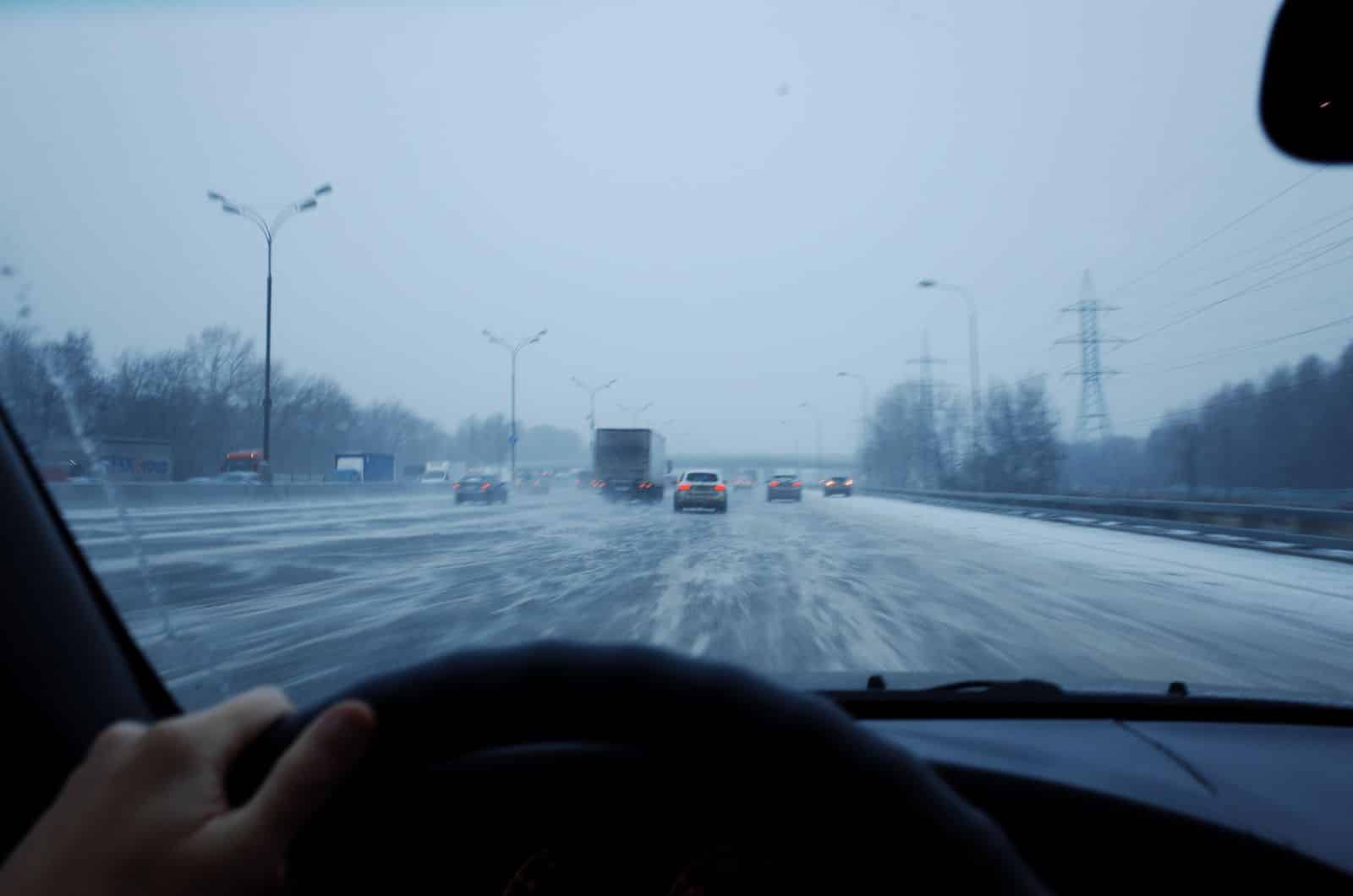
A Watch Says Conditions Favor a Storm
According to the National Weather Service’s winter weather alert definitions, a Winter Storm Watch means conditions are favorable for a significant winter storm. That can mean heavy snow, heavy sleet, an ice storm, blowing snow or a mix of these.
A watch is an early signal, not a promise. It tells people in the area that a storm may develop, which makes it the right moment to check travel plans, fill the gas tank and pick up supplies. The American Red Cross sums it up simply: a watch means be prepared, and a warning means take action.
Families packing for a long holiday trip can use the watch period to get organized, and a 3-piece luggage set for the whole family makes it easier to pack once and leave on short notice if a storm forces an earlier departure.
A Warning Means the Storm Is Happening or Expected
A Winter Storm Warning is the step up. The weather service says it means a significant winter storm, involving snow, ice, sleet, blowing snow or a combination, is occurring or expected. Travel may become difficult or impossible in some situations, and the agency’s advice is to delay travel until conditions improve.
The wording follows a clear pattern across the alerts. Each level describes how serious conditions are and what the agency suggests people do next. A watch asks for attention, and a warning asks for a change of plans.
An Advisory Calls for Caution, Not a Change of Plans
The weather service describes a Winter Weather Advisory as wintry precipitation that is expected but not hazardous enough to justify a warning. The precipitation can be snow, blowing snow, ice, sleet or a mix, and the guidance is to expect winter driving difficulties and use caution.
In practice, an advisory is a reason to slow down, leave extra space between cars and allow more time for the drive. Roads may be slick, but the agency does not describe conditions as a significant storm.
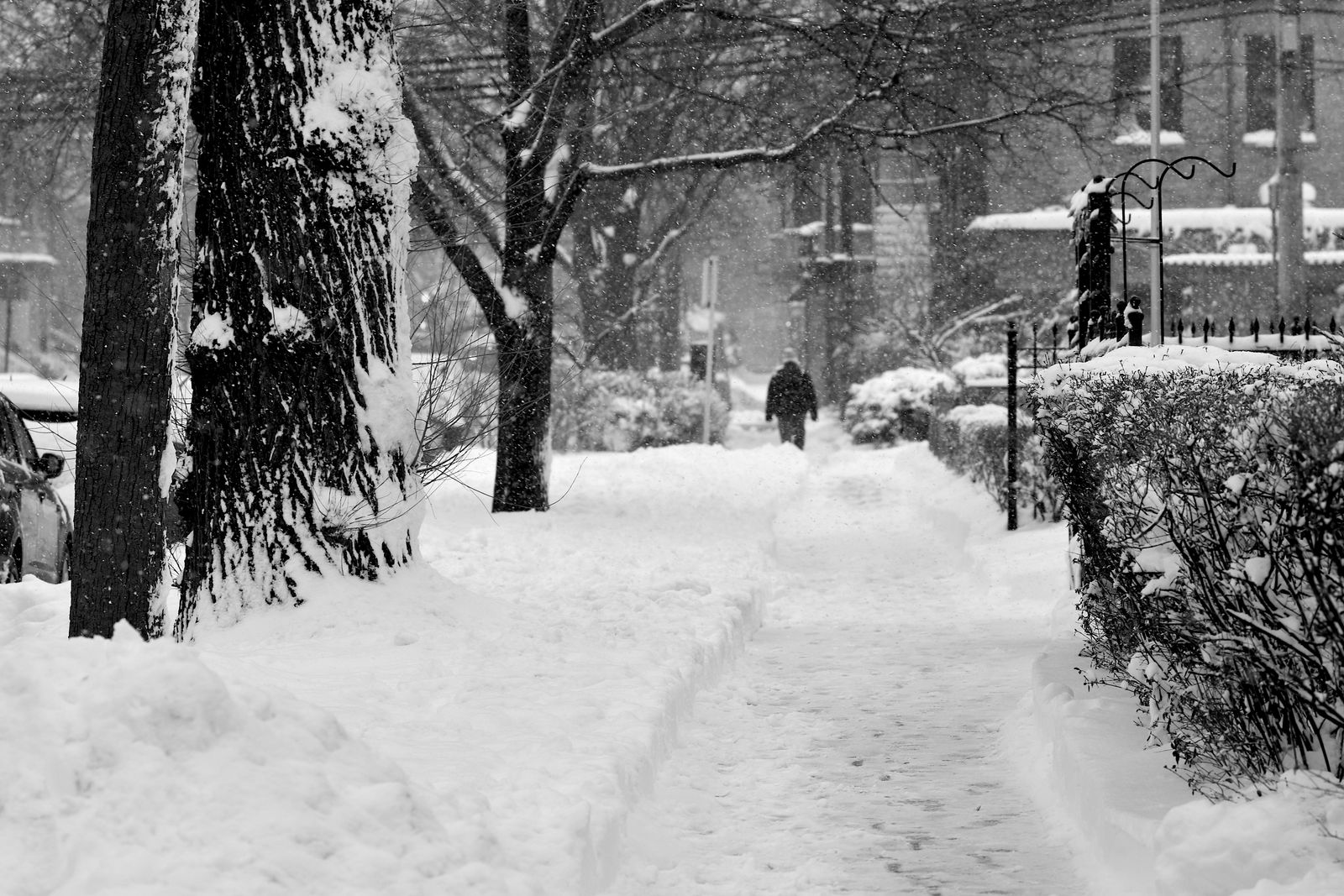
A Blizzard Warning Is About Wind and Visibility
The weather service reserves the Blizzard Warning for a specific combination. It requires frequent gusts of at least 35 mph along with falling or blowing snow that cuts visibility to below a quarter mile, and both must last for 3 hours or more. The Red Cross describes the same threshold.
That is why a heavy snowfall alone does not always trigger a blizzard warning. A calm, steady snow can pile up without meeting the wind and visibility test, while a lighter snow whipped by strong gusts can qualify. The agency says whiteout conditions make travel extremely dangerous and advises people not to travel under a blizzard warning. Its winter safety page describes blizzards as strong wind causing blowing snow and whiteouts that can make roads impassable.
An Ice Storm Warning Is a Separate Alert
An Ice Storm Warning is tied to ice rather than snow. The weather service issues it when freezing rain is expected to cause a significant and possibly damaging buildup of ice, which can bring down tree limbs and power lines and turn roads and sidewalks into sheets of glaze. Even a thin layer of ice can be more dangerous on the road than several inches of snow.
Putting the Alerts to Use
The simplest way to remember the ladder is this: an advisory says be careful, a watch says get ready, and a warning says stay put if possible. A blizzard warning or an ice storm warning adds a specific danger on top of that.
Households staying home through a storm can prepare, too. Keeping flashlights, batteries, blankets and some shelf-stable food on hand is standard advice from the Red Cross, and a cold, snowy day is also a good excuse to cook something warm. These forgotten winter dishes families ate in hard times show how earlier generations stretched a pantry through a storm, and this look back at common winter habits from the ’70s shows how much the routine has changed. Holiday travel in bad weather is also one of the odd American traditions that confuse the rest of the world, since millions of people hit the road during the same week every year, snow or not.
This article was written with the help of AI tools and checked against the sources linked above.




