

A tree can start a feud faster than a barking dog or a misplaced fence post. According to Nolo’s “Tree Disputes With Neighbors FAQ,” last updated June 30, 2023, 5 mistakes in particular can leave a homeowner owing money, facing city fines or defending a lawsuit.
The five are cutting or harming a neighbor’s tree, stepping onto the neighbor’s land to trim, removing a shared boundary tree alone, keeping a dangerous tree and breaking height, view or HOA rules. Here is what the legal publisher says about each, with the caveat that tree law varies by state and city and that this is general information, not legal advice. Talking to a neighbor before picking up a saw may sound old-fashioned, but it is not one of the social norms that should be abandoned.

1. Cutting or Harming a Neighbor’s Tree Without Permission
The first mistake is the simplest. Nolo says anyone who cuts down, removes or harms a tree without the owner’s permission owes the owner compensation, and the owner can sue to collect. The page notes that a conversation first, with a reminder that the law may settle the question, is often the better opening move.
Because the owner can sue for compensation, a quick cut made without asking can turn into an expensive mistake. A friendly talk over the fence costs nothing by comparison.
2. Going Onto the Neighbor’s Property to Trim
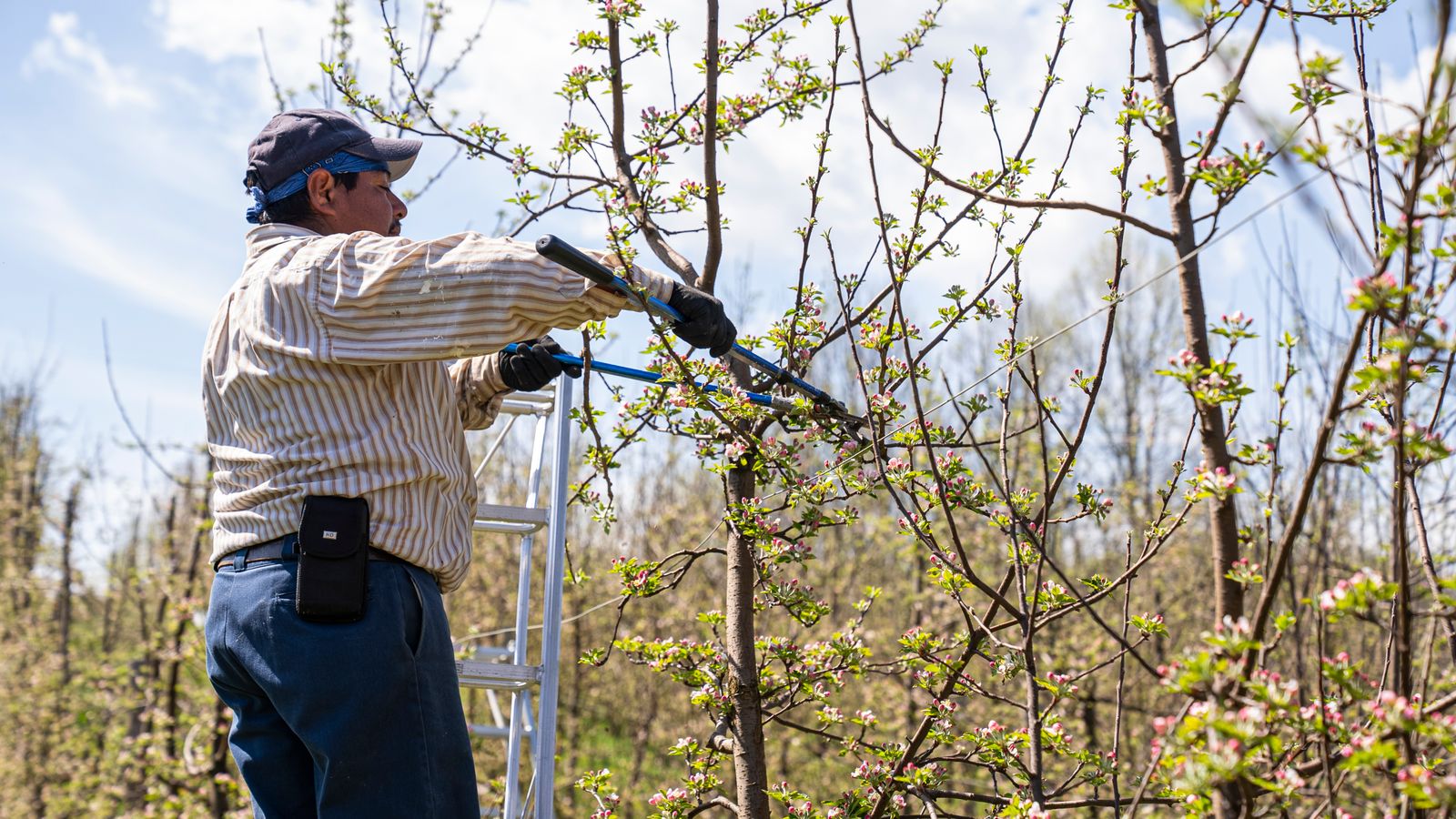
The second mistake is about where the saw goes. Nolo says a homeowner may trim branches that overhang up to the property line but may not go onto the neighbor’s property or destroy the tree itself.
That line matches an old legal idea. Cornell’s Legal Information Institute explains that trespass to land is a physical invasion of another person’s real property, and that the owner need not prove actual harm, since nominal damages are enough to support a claim. In other words, a ladder planted on the other side of the fence can be a problem even if the cut itself is neat. Rules like this vary from place to place, as this list of things that are illegal in one U.S. state but not another shows.
3. Removing a Shared Boundary Tree Without the Co-Owners
Third, a tree whose trunk straddles the property line is a “boundary tree,” and it usually belongs jointly to all the owners, according to Nolo. They share responsibility for its care, and one co-owner cannot remove a sound tree without the others’ permission.
The page says ownership of any fruit is “another matter” and does not go further. For homeowners who want new plantings without future disputes, smaller options such as elevated garden beds for fall greens and herbs stay well inside the property line.
4. Keeping a Dangerous Tree
The fourth mistake is ignoring a tree that could fall. Nolo says trimming back to the property line may not fix a tree that could land on a neighboring house. Cities may order owners to remove or fix hazardous trees, issue fines or remove the tree themselves, and utility companies may trim trees that threaten their equipment.
If those routes fail, a neighbor can sue for nuisance in regular court rather than small claims and must prove the danger. A court can then order pruning or removal. Roots and branches that creep over the line are handled differently by state, Nolo notes. Many states allow a neighbor to trim them back to the line, and some allow suits for serious harm such as structural damage, though the page says the law is unclear in many states. An unchecked tree that comes down on a neighbor’s roof would make an easy entry on any list of common regrets people often experience in adulthood.
5. Breaking Height, View or HOA Rules
The last mistake is ignoring local rules. Nolo recommends talking with neighbors about height or view complaints and finding out how much trimming would satisfy them. It suggests hiring a professional and says neighbors might share the cost.
A homeowner who refuses to trim could still break the law if the tree is a hazard, violates height or view ordinances or straddles the property line, and neighbors could then sue for interference with the use and enjoyment of their property. Homeowners in planned communities should also check their HOA rules, which can add their own limits on trees and landscaping.
Keeping the Peace Over the Fence
Most tree disputes start small: a branch over the driveway, leaves in a gutter or a trunk that leans a little too far. Nolo’s advice comes back to the same steps each time: talk first, know where the property line is, stay on the correct side of it, and bring in a professional for anything large or risky.
Backyard rules reach well beyond trees, and many everyday yard habits carry legal limits most people never think about, as this list of household actions people do every day without realizing they’re illegal shows. For anything beyond a simple trim, a local arborist or an attorney who handles property disputes can explain how the rules work in a specific state or city.
This article was written with the help of AI tools and checked against the sources linked above.




