

Plenty of drivers assume that once the car is parked and the engine is off, the front seat becomes a private space where traffic laws no longer apply. That assumption is not always right. Depending on the state, the city and the circumstances, certain things done inside a stationary vehicle can still lead to fines or criminal charges.
Here are 4 situations where a parked car offers less legal protection than many people expect, along with the laws behind them. Road-trip season makes them worth knowing, especially with holiday travel underway, and a long drive is also when travelers lean on a carry-on suitcase or a family luggage set packed into the trunk.
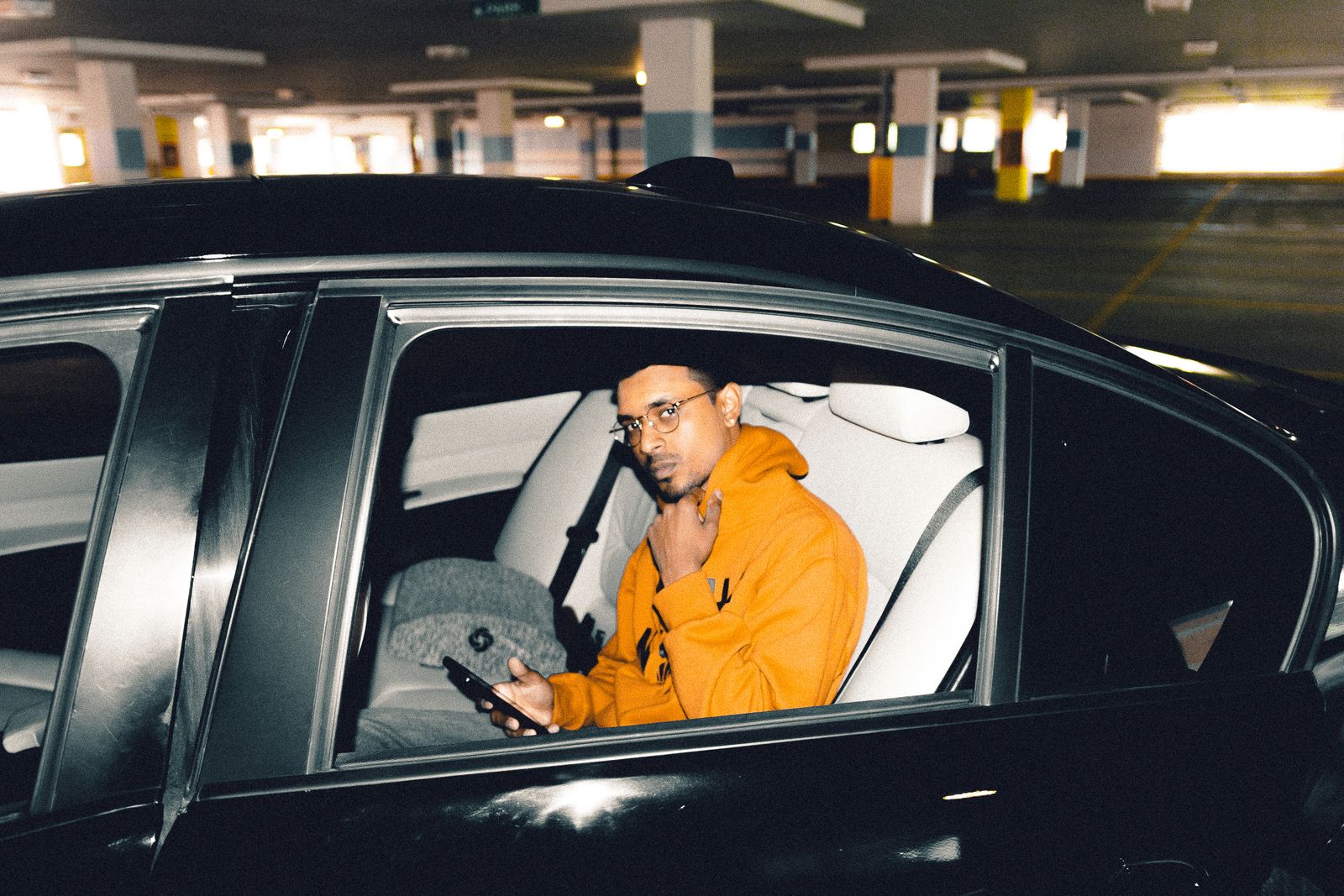
1. Sleeping Where Overnight Parking Is Prohibited
Napping in a parked car may seem harmless after a long stretch behind the wheel. However, many cities and private property owners restrict overnight parking or sleeping in vehicles in certain places. Those limits usually come from municipal ordinances, public-land rules and private-property policies, so a store parking lot that is fine at noon may be off-limits after closing time.
Some places also treat living in a vehicle differently from simply resting in one, and the definitions vary from city to city. Posted signs are the first clue. Highway rest areas and designated overnight lots often have their own time limits, which are usually more forgiving than those on residential streets or in public parks.
2. Keeping an Open Container of Alcohol
A drink in a parked car may seem less serious than drinking on the road, but open-container laws can still apply. Federal law, 23 U.S.C. 154, pushes states to prohibit open alcoholic beverage containers and drinking in the passenger area of motor vehicles on public highways and their rights-of-way, with certain exceptions.
An open container generally means a bottle or can that has been opened, has a broken seal or has had some of its contents removed. The rules can apply to passengers, not just drivers, though exceptions exist for some passenger-for-hire vehicles and the living quarters of certain RVs. The National Highway Traffic Safety Administration explains the purpose of these laws in its open container guidance.
3. Sitting Behind the Wheel After Drinking
One of the biggest surprises for many drivers is that an impaired-driving charge does not always require the car to move. Some states use a concept called actual physical control. Under Arizona Revised Statutes 28-1381, for example, it is unlawful to drive or be in actual physical control of a vehicle while impaired above specified levels.
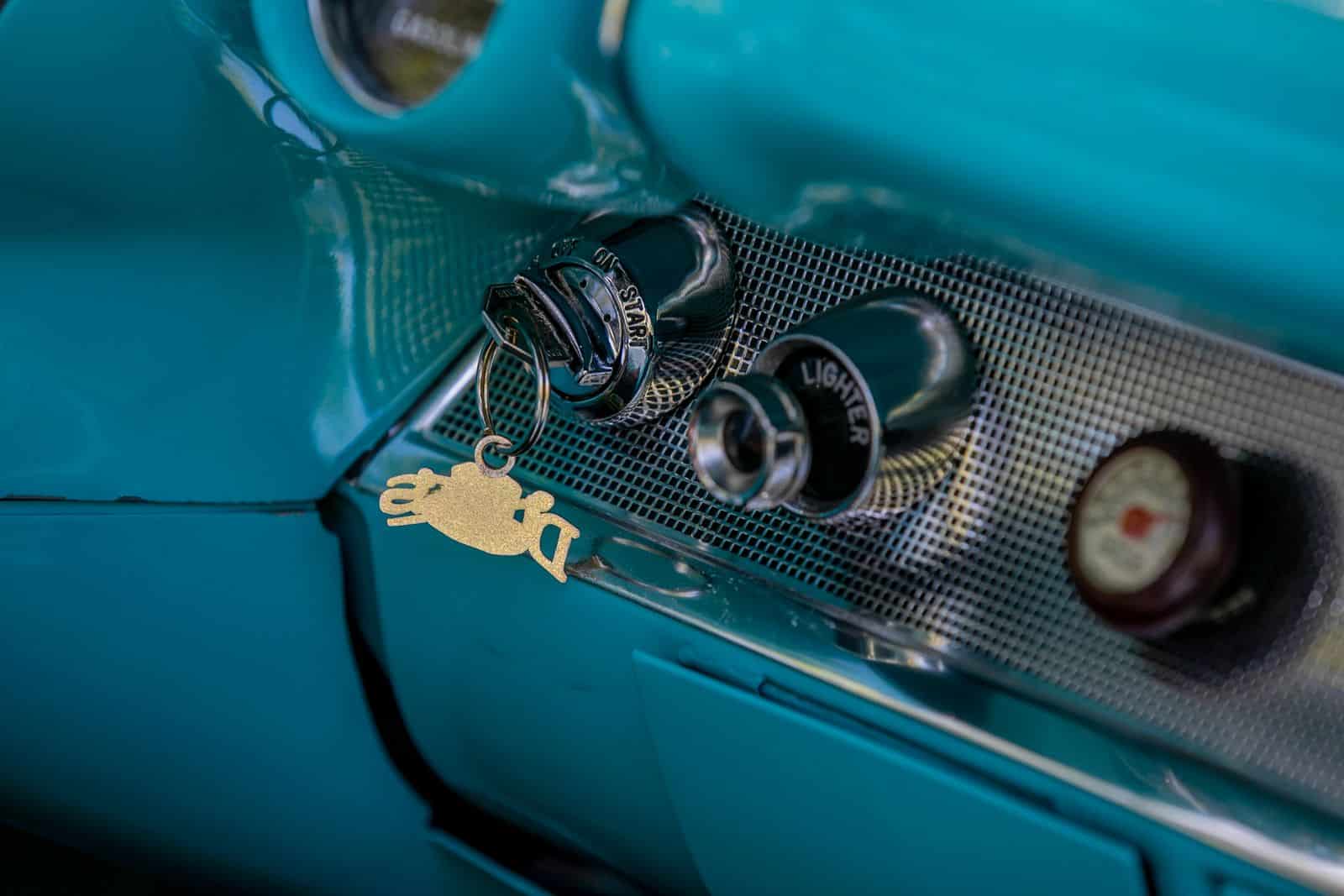
Being inside a parked vehicle after drinking does not automatically mean a DUI, though. Courts in states with this concept often look at the surrounding facts, such as where the person was sitting, whether the engine was running, where the keys were and whether there was any sign of an intent to drive. The weight given to each factor varies by state, which is why the safest choice after drinking is a ride from someone else.
4. Leaving a Young Child Alone in the Car
Leaving a young child alone in a parked vehicle can create serious legal and safety problems, even for a quick errand. Some states have laws aimed specifically at children left unattended in cars, while others rely on broader child-endangerment rules.
California is a clear example. Under California Vehicle Code 15620, a parent, guardian or other responsible person may not leave a child 6 or younger in a vehicle without supervision by someone at least 12 years old when there are conditions that present a significant risk to the child, or when the engine is running or the keys are in the ignition.
The safety concern is real, too. Temperatures inside a closed car can climb quickly even on a mild day, and a small child cannot get out alone. That is why child-supervision rules are treated as far more serious than ordinary parking violations.
The Takeaway for Drivers
A parked car is still a car in the eyes of the law. Local signs, state statutes and the specific situation all matter, and the rules can change from one state line to the next. That patchwork is a familiar theme in this list of things that are illegal in one U.S. state but not another, and in these household actions people do every day without realizing they’re illegal.
Travelers who plan ahead can avoid most of these problems: check parking signs before resting, keep alcohol sealed in the trunk, hand off the keys after drinking and never leave a young child alone in the car. Those habits cost nothing, and they keep a road trip from ending with a ticket or worse. Some longtime drivers would call that simple common sense, one of the hard-earned lessons Baby Boomers often share.
This article was written with the help of AI tools and checked against the sources linked above.




