

Five foods that anchor the Thanksgiving table, turkey, potatoes, squash and pumpkin, corn and cranberries, all got their start in the Americas, according to the Smithsonian Institution. Each was cultivated here long before the first colonists sat down to a harvest meal, and their stories stretch from about 10,000 years ago to a New England bog.
The Smithsonian’s Thanksgiving spotlight explains where each food came from and roughly when people first grew it. Here are all 5, with a few extra details, for a dinner conversation on Nov. 26 that goes beyond the weather. A holiday built around these foods is one of the odd American traditions that confuse the rest of the world, even though its ingredients traveled the globe.
1. Turkey, Domesticated About 2,000 Years Ago
The centerpiece bird has a surprising travel history. According to the Smithsonian Institution, turkeys are native to central Mexico and the southwestern United States, and people domesticated them in both places about 2,000 years ago. The southwestern domestic turkey later died out, so the birds on modern tables descend from the Mexican line.
That Mexican turkey likely reached Europe first, the Smithsonian says, before colonists carried it back across the Atlantic to the eastern United States. In a sense, the colonial turkey was a returning traveler.
2. Potatoes, About 10,000 Years Old
Potatoes come from South America, probably Peru, and the Smithsonian places their domestication about 10,000 years ago. Spanish explorers likely carried them to Europe, where they slowly became a staple, and Europeans later brought them to the eastern United States. That roundabout trip explains why a food from the Andes can feel so European on a plate of mashed potatoes. Potatoes are also one of the humble foods that even the wealthy eat, and few holiday tables go without them.
3. Squash and Pumpkins, an Equally Ancient Crop
Squash and pumpkins share a similar timeline. The Smithsonian says the orange-skinned pumpkin lineage was the first plant domesticated in the Americas, about 10,000 years ago in Mexico, and that a species called Cucurbita pepo was domesticated a second time in the eastern United States about 5,000 years ago. Yellow and green summer squashes such as zucchini descend from a wild gourd still found in the Ozarks, according to the museum.
That makes the pumpkin pie on the dessert table one of the oldest dishes on the menu, at least in terms of its main ingredient.
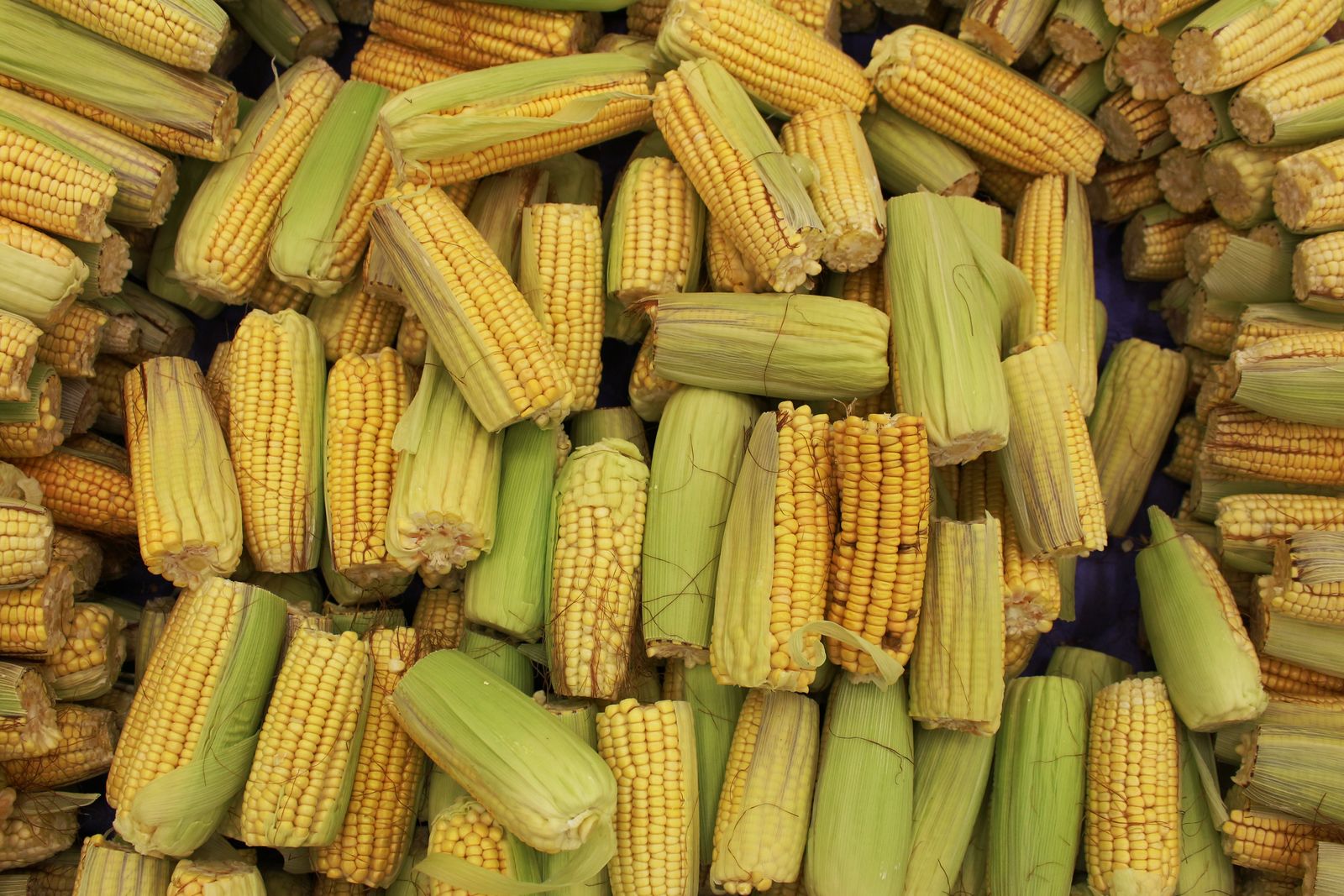
4. Corn, Grown for More Than 8,000 Years
Corn, known to most of the world as maize, is the only grain on the list. The Smithsonian says it was domesticated in Mexico more than 8,000 years ago from teosinte, a large wild grass. Wikipedia’s maize entry gives a similar picture, saying Indigenous peoples in southern Mexico domesticated it about 9,000 years ago, most likely in the Balsas River valley.
From there it spread. According to the Smithsonian, corn reached the southwestern United States by 4,000 years ago and eastern North America around 200 B.C. Cornbread, cornmeal stuffing and creamed corn all trace back to the same plant, as do the colorful dried cobs that many families hang on their doors each fall.
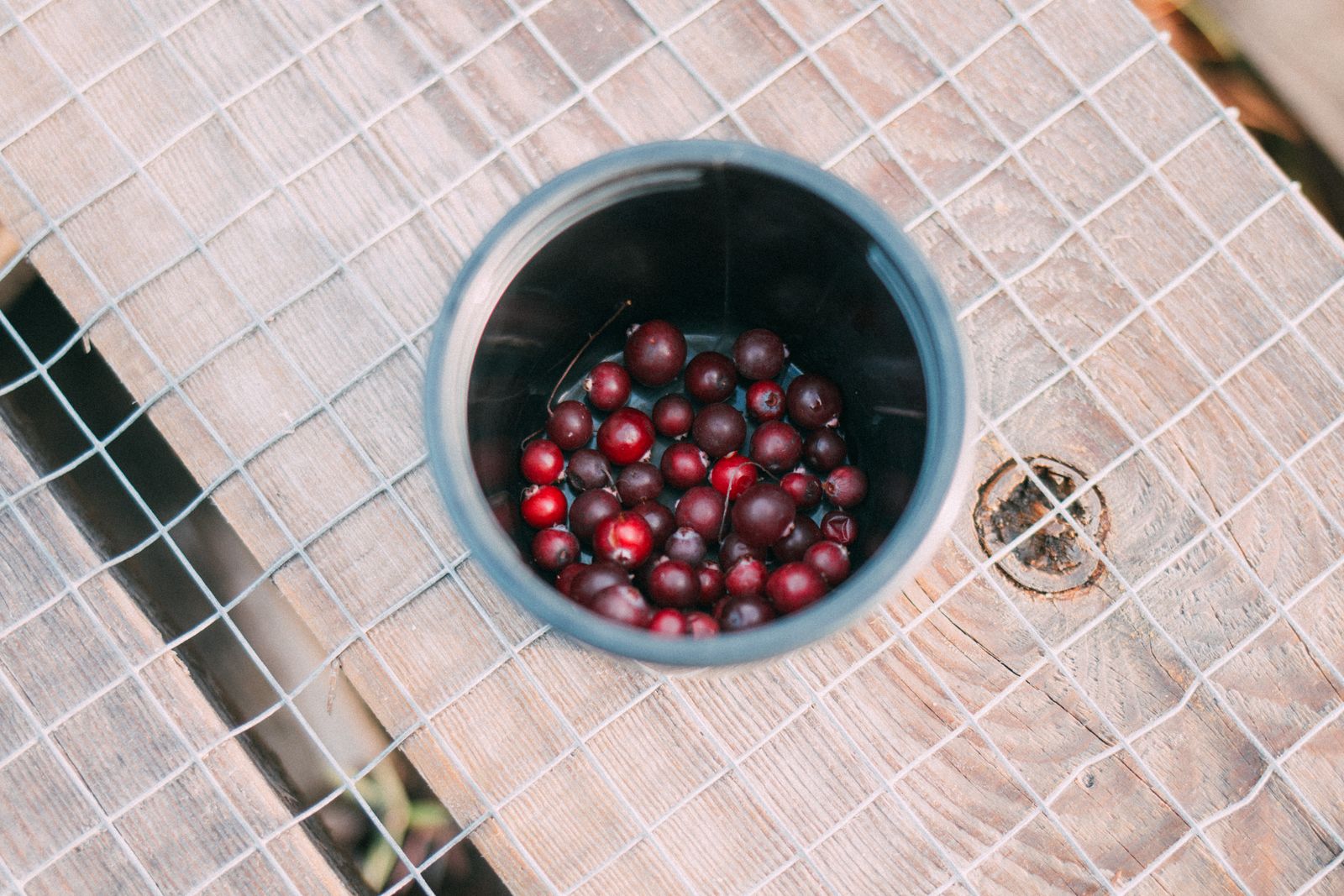
5. Cranberries, a Native Berry of New England
The last item on the list is the only one without a firm domestication date. The Smithsonian says cranberries are native to the United States, most likely the New England area. European settlers named the berry for its resemblance to a crane, calling it a “craneberry,” and in the 1600s it was also known as the “bearberry” because bears were often seen eating it.
That makes cranberries the most local of the five, tied to a region rather than a whole continent. The sauce that goes with the turkey is, in that sense, the closest thing on the table to a New England original.
A Meal Built Over Thousands of Years
Taken together, the 5 foods tell a richer story than the one in many school pageants. The meal that Americans see as a symbol of tradition is built largely on crops developed by Indigenous farmers over thousands of years, from Peru to Mexico to the New England coast. Turkey is the youngest at about 2,000 years of domestication, corn follows at more than 8,000, and potatoes and the pumpkin lineage top the list at about 10,000.
Those facts may fit nicely into the pause between the turkey and the pie. For hosts planning the menu, the same ingredients can also be the basis for alternatives, such as these holiday main dishes that aren’t turkey, and the extras can become Friday’s meals with ideas for what to do with Thanksgiving leftovers. Many of these dishes also rank among the home-cooking habits that are making a comeback.
This article was written with the help of AI tools and checked against the sources linked above.




