

Holiday shopping trips and Thanksgiving guests put extra cars on Florida and New York streets this week, and a few curb spots that look tempting are off-limits under state law. Five show up in both states: near a fire hydrant, in front of a driveway, on a sidewalk, on a crosswalk and close to a crosswalk at an intersection.
The rules come from Florida Statute 316.1945 and New York Vehicle and Traffic Law Section 1202, and neither depends on whether a driver sees a sign first. Signs, markings and meters can change a distance in some cases, as noted below. Out-of-town guests packing for a holiday visit, perhaps with a 3-piece luggage set for the whole family, may not know the local curb rules, so hosts can save them a ticket by pointing them out.
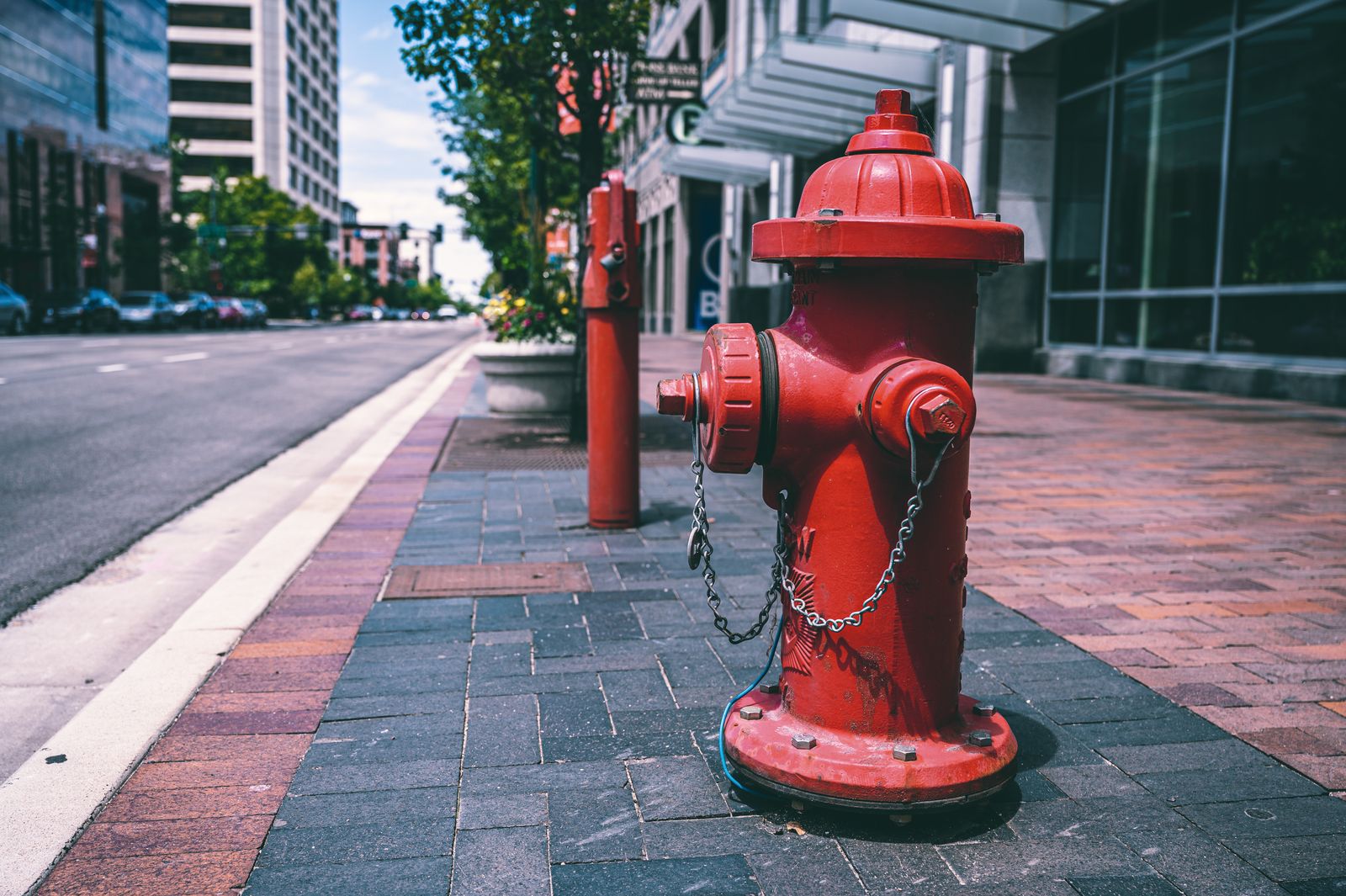
1. Within 15 Feet of a Fire Hydrant
The Florida statute bars standing or parking a vehicle within 15 feet of a fire hydrant, whether the vehicle is occupied or not. The only break is for stopping momentarily to pick up or drop off passengers.
New York’s Section 1202 uses the same 15-foot distance. It makes an exception when a licensed driver is sitting in the front seat and can move the vehicle, and it lets official signs, markings or meters indicate a different distance.
Both statutes also open with similar exceptions. Florida excuses a driver who stops when necessary to avoid conflict with other traffic or to follow the law, a police officer or an official traffic control device, and New York’s law opens with comparable language. Those exceptions are narrow and tied to traffic conditions or an officer’s direction, not to convenience.
2. In Front of a Public or Private Driveway
Blocking a driveway is the curb rule that most often irritates neighbors, and both states put it in writing. Florida lists in front of a public or private driveway among the places where vehicles may not stand or park, with the same momentary passenger exception. New York’s law uses nearly identical wording. A quick stop to pick up or drop off passengers is allowed, but a car left in place is not.
3. On a Sidewalk
This rule is stricter than the driveway and hydrant rules. Florida’s statute says no one may stop, stand or park on a sidewalk, which means even a brief stop is covered, apart from the narrow traffic exceptions at the start of the statute. New York’s Section 1202 likewise prohibits stopping, standing or parking on a sidewalk. Sidewalks are for walkers, strollers and wheelchairs, and a car parked on one forces them into the street.
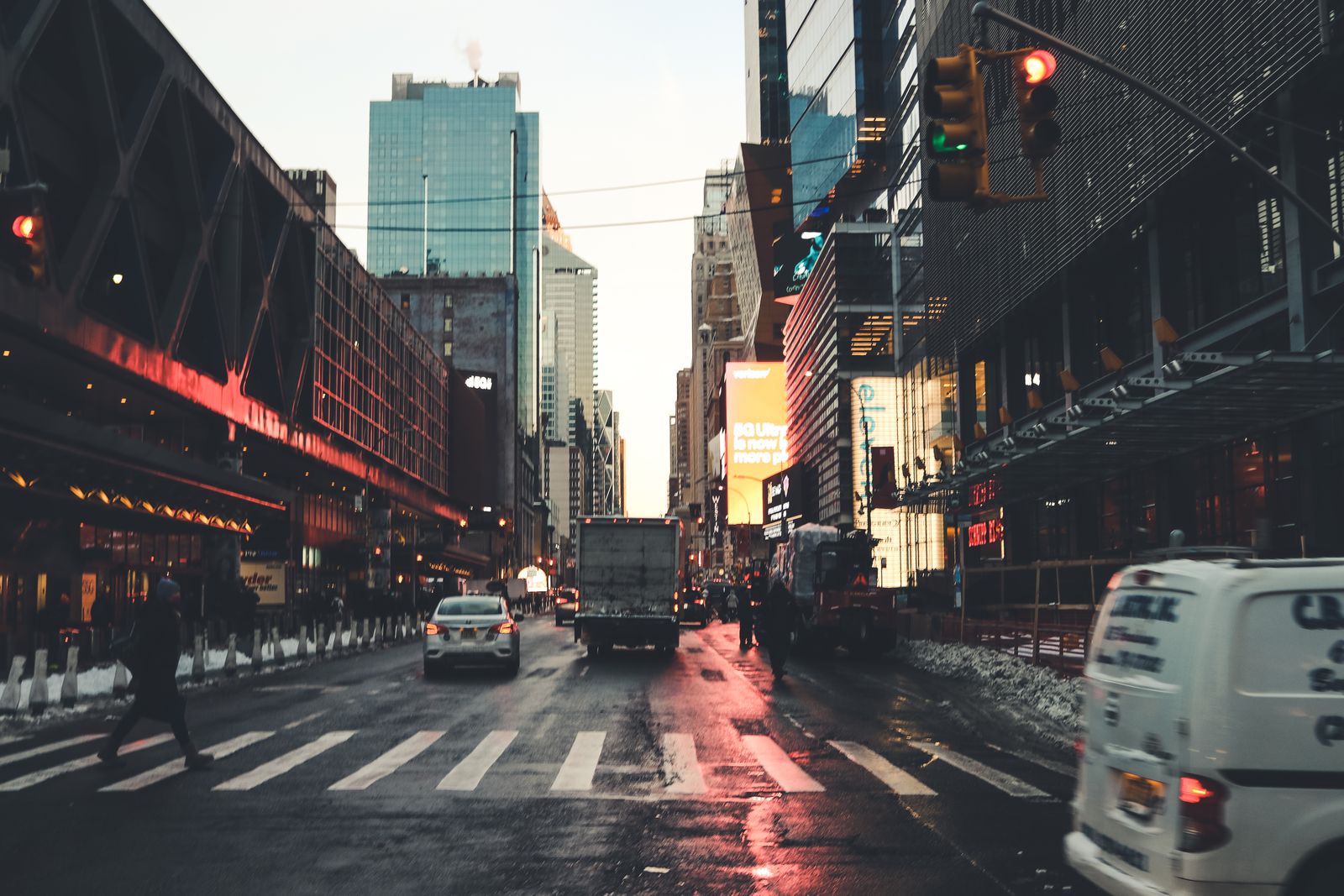
4. On a Crosswalk
A crosswalk falls under the same strict wording as a sidewalk. Florida’s statute says no stopping, standing or parking on a crosswalk, and New York’s Section 1202 says the same. The rule protects the place where pedestrians cross, whether it is marked with paint, signs or both. A car stopped across the lines forces walkers around the vehicle and into traffic.
5. Within 20 Feet of a Crosswalk at an Intersection
The last spot is a distance rule that catches drivers who park just past a crosswalk at a corner. Florida bars standing or parking within 20 feet of a crosswalk at an intersection. New York’s version covers the same 20 feet, with one addition: the distance can differ if official signs, markings or parking meters indicate another one. That makes it worth reading the curb before locking the car.
What Happens After a Ticket
On penalties, Florida’s statute calls a violation a noncriminal traffic infraction, punishable as a nonmoving violation. New York’s statute page does not state a penalty amount, so drivers there should check the local fine schedule.
Reading the Curb During a Busy Week
Many of these rules overlap with common sense: keep hydrants clear for firefighters, leave driveways open for neighbors and give pedestrians the full width of the sidewalk and crosswalk. During a holiday week, when streets fill with guests and shoppers, those habits matter even more. A quick look for hydrants and crosswalk lines before parking is the easiest way to avoid a ticket.
Rules like these vary widely from place to place, which is a theme in this list of things that are illegal in one U.S. state but not another and these household actions people do every day without realizing they’re illegal. Drivers who prefer a well-planned trip can also skip a few hassles at the airport with a carry-on suitcase that skips the checked-bag fee, and road-trippers will find that curb etiquette is one of the American customs that confuse visitors.
This article was written with the help of AI tools and checked against the sources linked above.




