

Bad news about a house usually shows up in the mailbox: a notice, a letter, a final warning. That warning never reached Shaunti Jordan, who said nobody told her when her landlord stopped paying the property taxes on the Cleveland home where she had lived for more than a decade. When a stranger finally knocked on her door and offered her the house for $500, she figured it was a scam. Turning down a real opportunity out of caution shows up often on lists of common regrets people often experience in adulthood, and Jordan came close to doing exactly that.
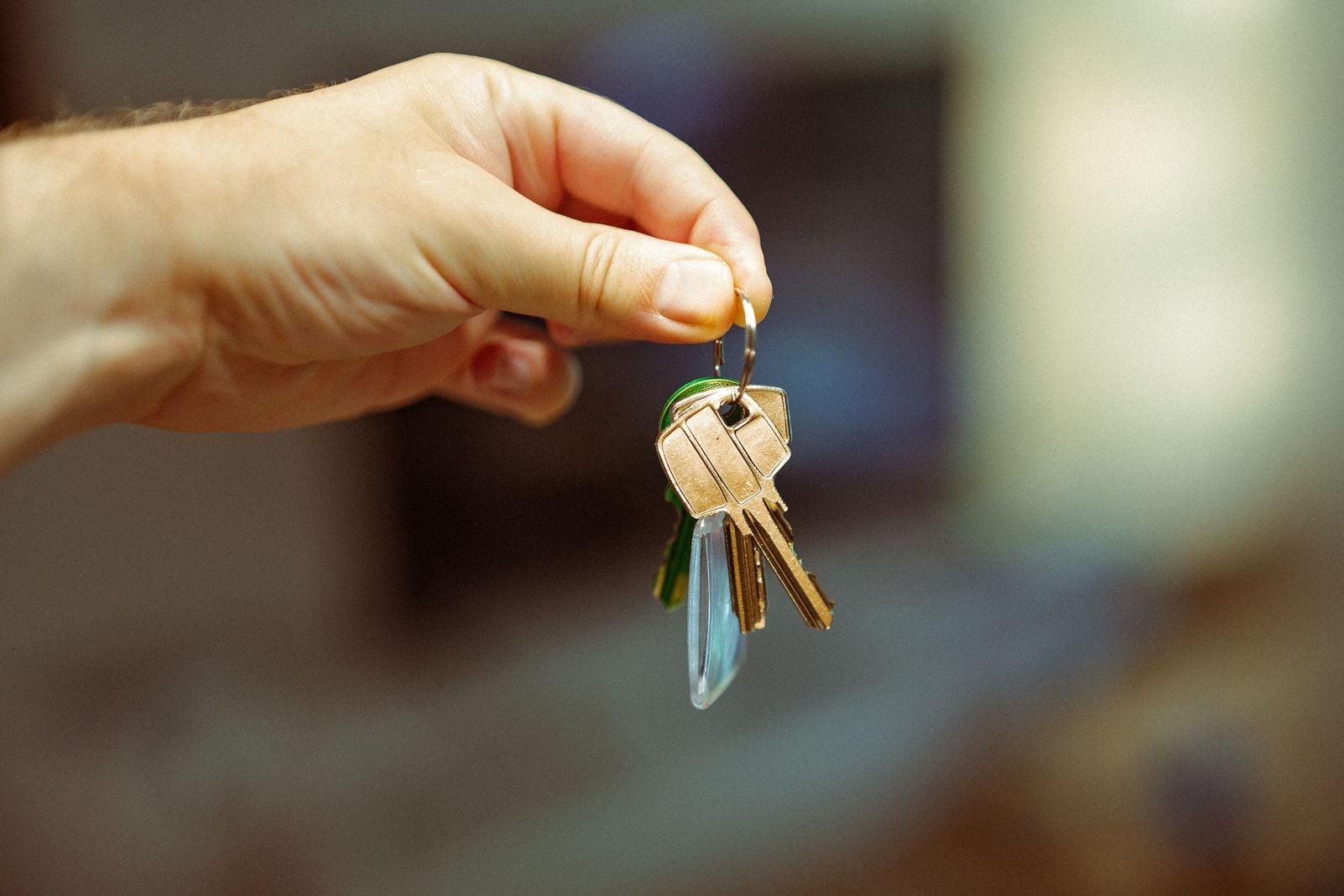
It was not. Jordan, 47, a clerk at the Ohio Bureau of Motor Vehicles, received the deed to the house in late 2025 through a short-lived program called Make It Home Cleveland, News 5 Cleveland reported on Nov. 19. Owning a home outright is a goal many families still chase, one of the Boomer-era ambitions making a comeback, and for Jordan it arrived in the most unexpected way.
The Taxes Nobody Told Her About
According to News 5 reporter Michelle Jarboe, Cuyahoga County moved to foreclose on the house in early 2024. The county was trying to recoup more than $25,000 in real estate taxes and penalties, and the property went up for auction twice. No one bought it.
By the end of that year, the house was headed to state forfeiture, where distressed properties can sell for next to nothing. Jordan, who rented the home, had no idea, and News 5 noted that she could have been forced out. Public records show the house in the Kinsman neighborhood has passed between lenders and investors over the last 25 years.
A Knock, a $500 Offer and a Doubtful Tenant
The outreach was led by the Northeast Ohio Coalition for the Homeless, whose representatives knocked on more than 500 doors across the city. Many tenants reacted the way Jordan did, with skepticism or outright disbelief. Given how common real scams are, that caution made sense, and it reflects a lesson many families learn the hard way, one of the hard truths older Americans often share.
Jordan told the reporter she thought it was a scam. Then the paperwork arrived, and she said she ran through the house celebrating the end of years of uncertainty. She now shares the home with her adult daughter and her granddaughter, and she imagines a play area on the empty lot next door, which she acquired a few months ago through the Cuyahoga Land Bank.
The program contacted eligible residents through door knocking, door hangers or postcards, according to Enterprise Community Partners, the group that led the effort. Residents could not simply apply.

Who Did the Work Behind the Deed
The pilot launched in early 2024 with a goal of creating 50 homeowners. Enterprise led a network of nonprofits, each with a specific job. CHN Housing Partners provided mandatory homeownership counseling and lined up contractors. The Cuyahoga Land Bank handled the real estate transactions, using its state-granted powers to pull homes off the forfeiture-sale list. The Legal Aid Society of Cleveland worked with buyers on estate planning, so that Jordan’s house will eventually pass to her adult children without going through probate court.
Signal Cleveland described the program in 2024 as a way to help renters living in homes forfeited to the state over unpaid taxes, with about $2.9 million in funding. It was modeled on a Detroit program that began in 2017. Most beneficiaries live on the city’s East Side, News 5 reported, and many were longtime tenants with a median household income of $24,000 a year.
Repairs That Cost More Than Planned
Home repairs turned out to be the program’s biggest surprise. The partners budgeted $34,000 per home for essential fixes, but the average bill was $76,000, more than twice that. Jordan’s house was more than 100 years old, and contractors replaced the roof, waterproofed the basement, rebuilt a side porch and replaced a kitchen floor that was caving in, then repainted inside and out.
Ayonna Blue Donald, Midwest vice president at Enterprise, said a house bought for $500 that is worth perhaps $60,000 gives its buyer instant equity. She also said the partners did not want to saddle new owners with years of deferred maintenance their former landlords had put off.
A Program That Ran Out of Money
The experiment is now ending because the money ran out. It produced 20 homeowners, well short of the 50 it had planned. Repairs used about $1.5 million of federal pandemic-recovery funds provided by the city of Cleveland, money that had to be spent by the end of 2026. Blue Donald did not rule out reviving the program if philanthropic support comes along, and she noted that the program returned properties to the tax rolls.
Jordan, for her part, wanted others to know that help can come when it is least expected. She said it arrived right on time. Stories like hers are a reminder that keeping paperwork and records in order is one of the old-school money habits that still work today, and that a home often ends up being one of the priceless things families hold on to.
This article was written with the help of AI tools and checked against the sources linked above.




