

Starting the car, heading back inside for coffee and letting the engine warm up on a frosty morning is a winter ritual in driveways across the country. In 4 places, that habit can cross a legal line: Washington, D.C., Pennsylvania, Georgia and Texas.
There is no national law against it, according to FOX Weather, so the rules come from states, counties and cities, and they differ in both the time limit and the type of rule. Three of the places cap how long an engine may run while parked, while the fourth targets cars left running with nobody inside. Early, cold holiday departures make the rules especially timely, since many families start a long drive with a carry-on or a family luggage set loaded while the engine runs.
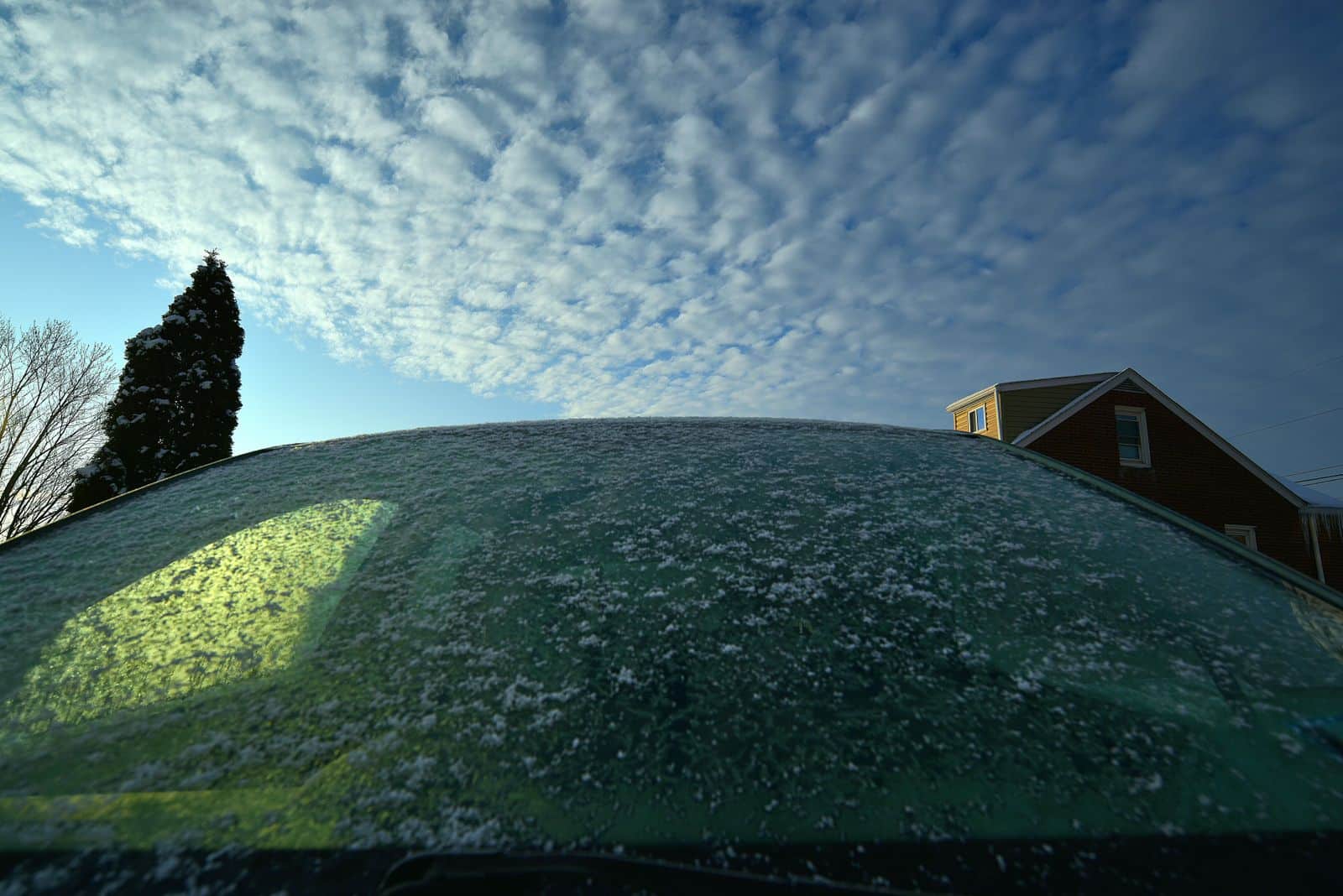
1. Washington, D.C.: 3 Minutes
The strictest number belongs to the nation’s capital. FOX Weather reporter Chris Oberholtz wrote that in Washington, D.C., a vehicle left running while parked for more than 3 minutes can draw a fine of up to $5,000. That is a short window, since a frozen windshield alone can take longer than that to clear.
The key detail is the clock. Rules written around minutes leave little room for a slow morning routine, and drivers in the District may want to check the current local rule, since fines and thresholds can change.
2. Pennsylvania: Up to 20 Minutes Below 40 Degrees
Pennsylvania takes a looser approach. According to FOX Weather, idling is allowed for up to 20 minutes when the temperature is below 40 degrees Fahrenheit. The cold-weather allowance suggests lawmakers recognized that a car sometimes needs time to warm up on a bitter day.
3. Georgia: Up to 25 Minutes Below 32 Degrees
Georgia is the most generous of the three places with a stated limit. FOX Weather reported that idling is allowed for up to 25 minutes when the temperature is below 32 degrees Fahrenheit, the freezing point. That gives a frosty-morning driver a longer cushion than Pennsylvania offers, though the temperature cutoff is lower.
In practice, the numbers show how different two cold-weather allowances can look. Pennsylvania allows 20 minutes below 40 degrees, while Georgia allows 25 minutes only once the thermometer drops to freezing. A 35-degree morning would fall under Pennsylvania’s allowance but not Georgia’s.
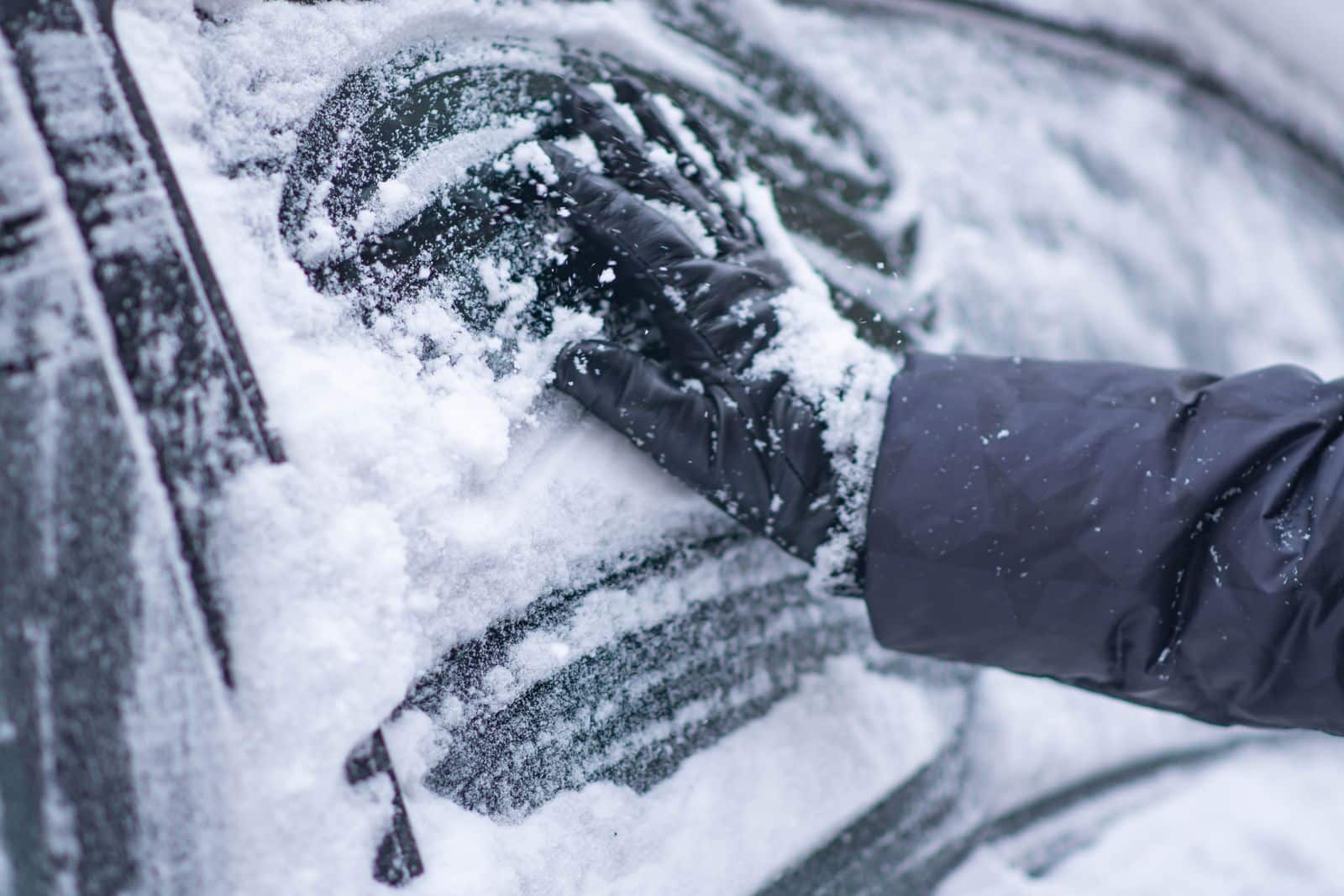
4. Texas: The Key Comes Out Before Anyone Walks Away
Texas works differently, and the weather does not change it. Under Section 545.404 of the Texas Transportation Code, a driver may not leave a vehicle unattended without stopping the engine, locking the ignition, removing the key, setting the parking brake and, on a grade, turning the front wheels toward the curb or the side of the road.
That rule reaches a very ordinary move: starting the car, then stepping back into the house to finish the coffee. There is an exemption worth knowing about. The statute says the engine, ignition and key requirements do not apply to a driver who starts the engine with a remote starter or similar device that meets conditions listed in the law. The parking brake and wheel requirements are not part of that exemption.
Because the rules differ so much, a driver crossing state lines over the holidays could follow the law in one place and break it in the next without changing a single habit. Checking the local rule before a trip, especially for a stay in a city, takes only a few minutes and can prevent an unwelcome ticket on a cold morning.
Why These Rules Exist
Idling limits are generally aimed at reducing exhaust and fuel waste, while unattended-vehicle rules like the one in Texas are about safety and theft. A running car with nobody inside is an easy target, and a car that rolls without its parking brake set can be dangerous. Different goals help explain why the rules take such different forms from place to place.
Warming Up Without Breaking the Rules
The simplest approach is to stay with the car while it warms up, keep the idle short and use the time to clear windows and mirrors. Many modern cars warm up faster by being driven gently than by idling for a long time. A remote starter that meets local requirements is another option where it is allowed.
Rules on the road can vary from one state line to the next, a theme in this list of things that are illegal in one U.S. state but not another and in these common winter habits from the ’70s that feel out of place today. Winter driving customs are also among the odd American traditions that confuse the rest of the world, and travelers flying instead can keep things simple with a carry-on suitcase that skips the checked-bag fee.
This article was written with the help of AI tools and checked against the sources linked above.




