

Deciding whose family gets Thanksgiving tops a list of 5 common pre-holiday pressure points for couples, according to psychotherapist Mary Jo Rapini. The others are invasive questions from relatives, cultural differences, too little time together and tension with in-laws. Rapini discussed them on FOX 26 Houston’s morning show, in a segment the station published on Nov. 14, 2022, and the advice still fits a holiday that lands on Nov. 26 this year.
With the holiday two days away, the questions are fresh in many homes: which side gets the turkey, who handles the nosy aunt, and where a quiet minute might fit. Here is how the 5 break down, with a second view from the Gottman Institute. Couples on the road can pack for both families at once with a 3-piece luggage set for holiday trips. For perspective on what matters most when families gather, this list of common regrets people often experience in adulthood is a good companion, along with these hardest truths to accept in life, according to Baby Boomers.

1. Whose Home to Visit
The first pressure point is the oldest. According to FOX 26 Houston, Rapini suggests alternating holidays from year to year, such as Thanksgiving with one side and Christmas with the other. Some couples split up for the day so each partner can visit their own relatives, which adds the strain of being apart but can work for people who feel strongly about family time. Her core point is that communication is key, so neither partner ends up hurt.
The Gottman Institute’s holiday guide offers a real example of that kind of compromise. Author Jon Beaty, a licensed clinical social worker, writes that he and his wife split the holiday: his father and grandparents got the traditional Thanksgiving dinner, and her family celebrated on the weekend. He says seeing the problem from each other’s side reduced the tension.
2. Questions From Relatives
The second item is the family interrogation. Rapini advises rehearsing the likely questions, such as marriage or wedding plans, before the gathering. A couple can prepare short, neutral replies, then step away or join another conversation. Agreeing in advance that certain topics are private means neither partner gets caught off guard at the table.
The goal is not to snap at a relative but to have a calm line ready and a partner who backs it up. Few people enjoy answering the same personal question 3 times between the appetizers and the pie, so a graceful exit plan helps.
3. Cultural Differences
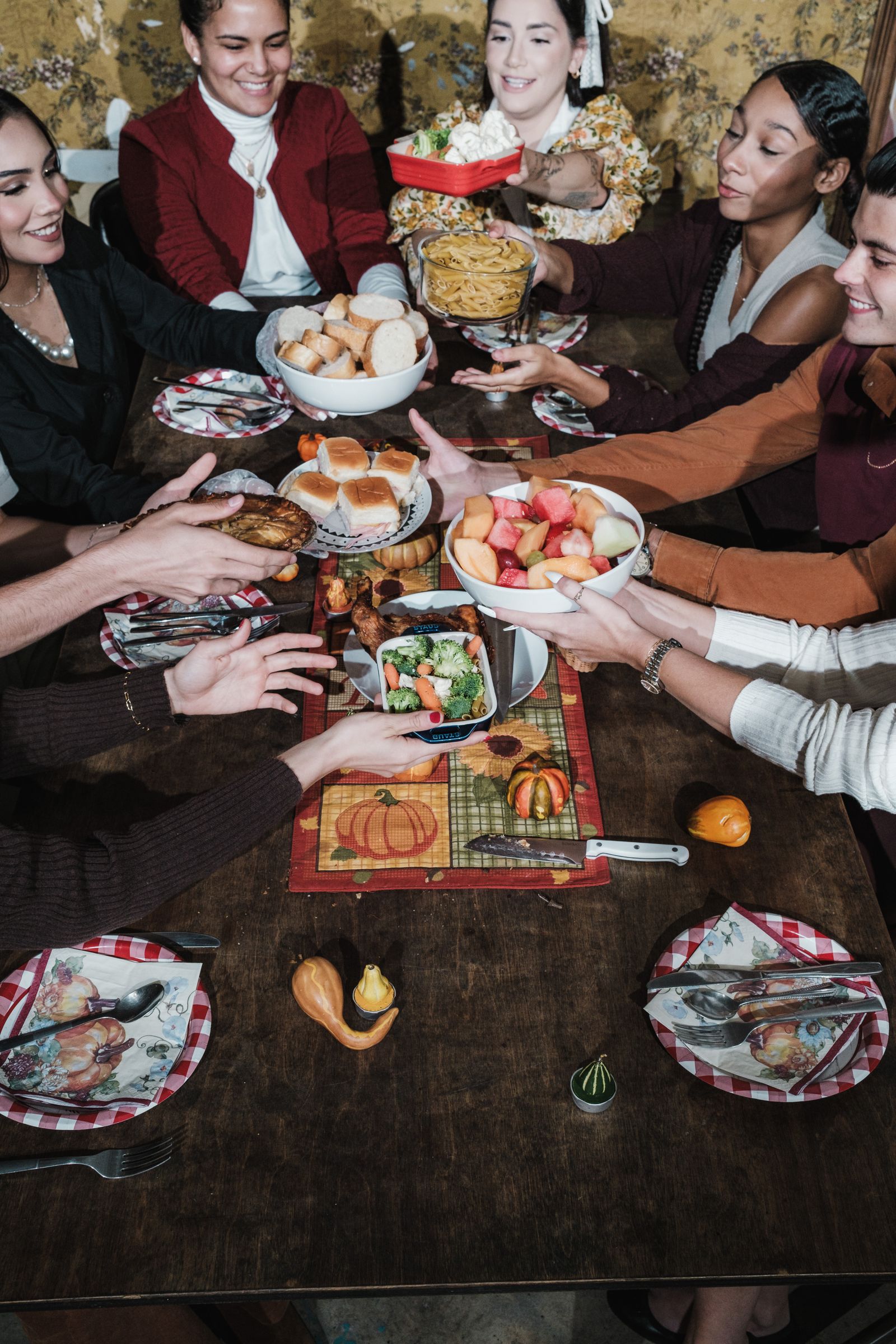
The third item is what happens when two households do Thanksgiving differently. Rapini suggests being curious rather than judgmental when traditions differ, and being open to sharing and trying new foods, since each family’s idea of normal comes from how its members were raised. Her short recipe for a smoother table is to listen more and speak less.
That advice runs both ways. A partner visiting for the first time may not know a family’s dishes, seating habits or the order of the day, and the host family may be just as curious about the newcomer’s customs. A quiet question about the story behind a dish can turn a stiff moment into a real conversation.
4. Too Little Time Together
The fourth pressure point is the shortage of alone time. During a busy holiday visit, couples may spend most of the day with family and barely speak to each other. Rapini recommends checking in with each other during the visit, scheduling date nights and taking time for a personal reset. She adds that getting to know a partner’s family can ease the partner’s tension.
A check-in can be as simple as a glance across the room or a short walk after dinner. Because holiday weeks fill up fast, a date night put on the calendar ahead of time is easier to keep than one left for later.
5. Conflict With In-Laws
The last pressure point is friction with relatives, and Rapini’s advice is to plan ahead. Partners can talk beforehand about how to respond to or redirect tense moments, and agree on a signal or code word that asks the other to step in. She also warns against retaliating or trying to even the score, and suggests letting go of unrealistic expectations, especially when hosting, to focus on the food, gratitude and the people at the table.
The Gottman piece lines up with that. Beaty writes that partners should accept each other’s influence, approach practical problems with a softened start-up and repair attempts, and look for the shared dream behind a disagreement, such as a family tradition that matters deeply to one person. Naming those wishes, he says, can open the way to compromise.
Talk Before the Day, Not During It
Taken together, the 5 pressure points share a theme: the conversation works best before the holiday, not in the middle of it. A short talk about where to go, which questions to expect and how to signal for help can make a tense day much easier. Couples who settle those items early can spend more of Nov. 26 on the meal and the people around it.
Words matter during that talk, too. This list of phrases that quietly damage relationships is worth a glance beforehand, as are these toxic traits that quietly sabotage relationships.
This article was written with the help of AI tools and checked against the sources linked above.




