
A first trip to Aldi can feel like learning a new set of house rules. The carts are chained together, there are no baggers at the register and many of the brands on the shelves are unfamiliar. Regulars, on the other hand, move through the store with the confidence of people who have figured out the system and know exactly why it saves them money.
The discount grocer keeps growing in the United States. In a January 2026 announcement, the company said it expected to operate nearly 2,800 stores by the end of the year and that one in three U.S. households shopped there in 2025. With so many newcomers walking through the doors, here are 10 things seasoned Aldi shoppers never do.
Aldi fans tend to be the same people who swap clever frugal living tips with friends, collect wallet-friendly life hacks that will actually make a difference and look for ways to save money fast without giving up good food.

1. Show Up Without a Quarter
Aldi’s carts are locked together, and a coin unlocks them. According to Aldi’s own explanation of how its stores work, inserting a quarter into a cart unlocks it, and the shopper gets the quarter back when the cart goes back to the corral. The company says the deposit also helps keep parking lots clean. Regulars keep a quarter in the car, a wallet or a keychain holder so they are never stuck at the door.
2. Leave a Cart in the Parking Lot
Because returning the cart is how the quarter comes back, experienced shoppers would never abandon one next to their car. Some also practice a small courtesy: when someone is unloading groceries nearby, a regular may hand over a cart in exchange for that person’s quarter, saving both a walk.
3. Forget the Bags
Aldi encourages shoppers to bring their own bags, and the company announced in January 2024 that it would eliminate plastic bags from its U.S. stores, as noted in Wikipedia’s overview of the chain. Paper and reusable bags are sold at the register for those who forget, but frequent shoppers keep a stash of sturdy totes or a folding crate in the trunk. Stores sometimes have empty boxes available as well, a long-standing Aldi habit described in this guide to Low FODMAP Shopping At ALDI.
4. Expect Someone Else to Bag the Groceries
There are no baggers waiting at the end of an Aldi checkout lane. Aldi asks shoppers to pack their own groceries and says the practice speeds up checkout. Regulars let the cashier ring everything up, then roll the cart away from the register to pack, freeing up the lane for the next customer. Trying to bag everything at the register usually slows the whole line.
5. Bring a Stack of Manufacturer Coupons
Coupon clippers have to change their habits at Aldi. The chain does not accept manufacturers’ coupons, according to Wikipedia’s summary, although some U.S. stores have tested them. Aldi leans into that with its marketing. In its 2026 Thanksgiving announcement, the company stressed that shoppers do not need coupons, loyalty cards, minimum purchases or memberships to get its prices, and CEO Atty McGrath said, “Thanksgiving shouldn’t require a calculator or a coupon strategy.”
6. Snub the Store Brands
Aldi says more than 90% of the products in its stores are Aldi-exclusive brands, and Wikipedia notes that other brands are usually limited to two per item. Regular shoppers learn the names, from Kirkwood chicken to Simply Nature organics, and treat them as the main event rather than a backup. In its January 2026 growth announcement, Aldi said its store-brand items are tested and tasted up to five times per year and that a packaging refresh was putting the Aldi name on every product.
7. Expect Fancy Shelf Displays
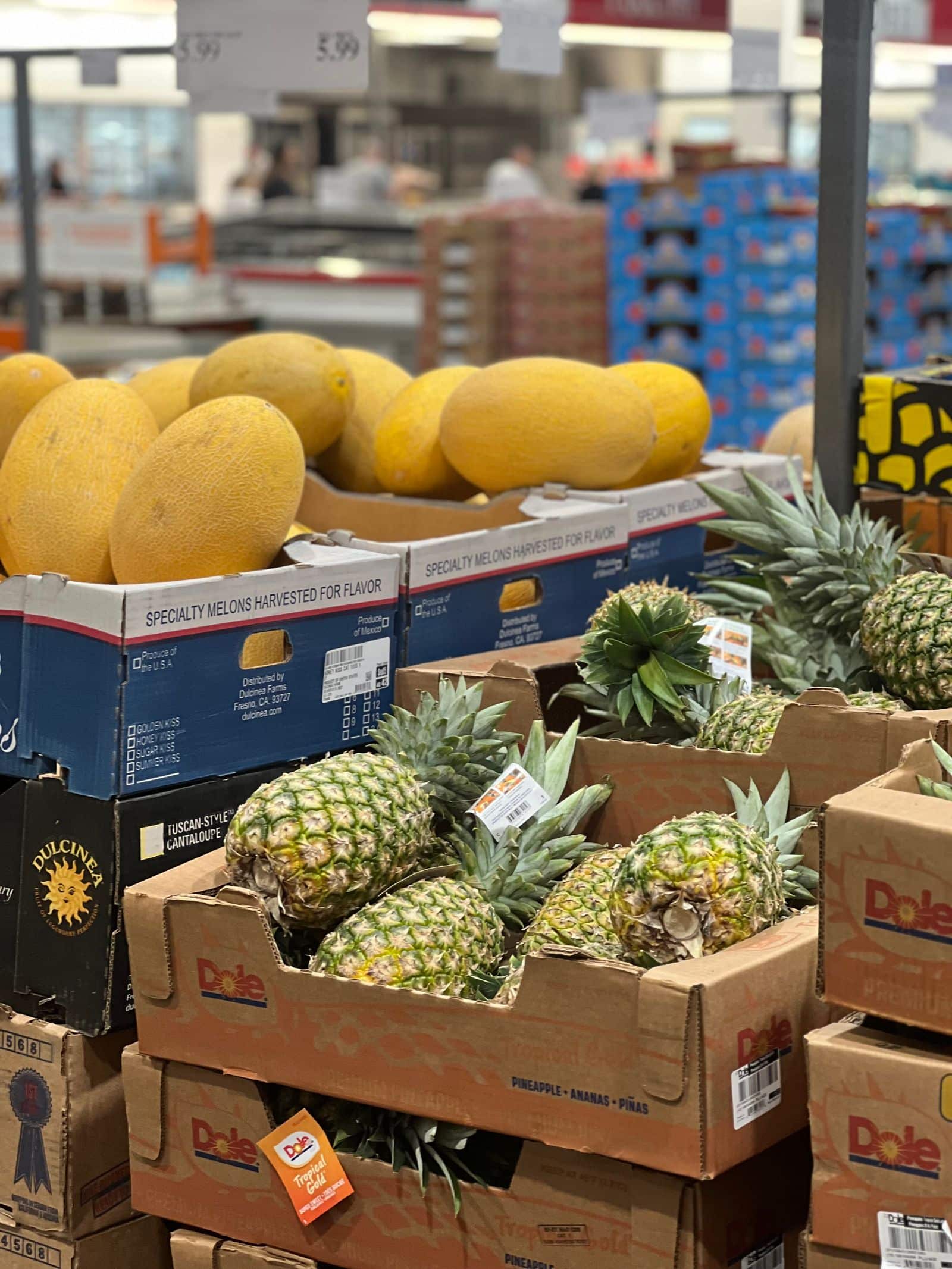
At Aldi, many products sit on the shelf in the cardboard boxes they were shipped in. The company describes this as just another way it keeps prices low. Longtime shoppers do not mind tearing open a case or reaching into a box of produce. They know the plain look is part of the deal.
8. Wait Too Long on an Aldi Find
The center aisle, known as Aldi Finds and nicknamed the “aisle of shame” by fans, rotates discounted specialty items, and Wikipedia lists weekly offers that can include electronics, tools, appliances, clothing, toys, flowers and gifts. These special offers come in limited quantities and generally run for one week. Seasoned shoppers know that a great deal spotted early in the week may be gone a few days later, so they buy it on the spot instead of planning to come back later.
9. Assume Online Prices Match the Shelf
Aldi now offers curbside pickup and delivery through partners such as Instacart, DoorDash and Uber Eats. In its fall 2026 price reduction announcement, the company noted that online and delivery prices may be higher than in-store prices. Budget-focused regulars weigh that markup, plus any delivery fees, before skipping a trip to the store.
10. Shop Without a Plan
Aldi’s founders deliberately kept stores small and cut slow-selling merchandise, so the selection is tight, and regulars arrive knowing what they need and what they can find elsewhere. That focus also helps avoid impulse buys, a topic covered in these 12 subtle grocery store tricks customers rarely catch, ex-workers explain. Aldi says nearly one-third of the products on its shelves are priced lower than they were last year, but the biggest savings still come from sticking to a list.
The Aldi Way, in Short
The habits that make Aldi feel quirky to first-timers are the same ones that keep its costs down: quarter carts, bring-a-bag checkout, self-bagging, store brands, open-box shelves and a no-coupon pricing model. Shoppers who skip these 10 common mistakes tend to get in and out faster and spend less. Once the routine sinks in, many find it hard to shop any other way.
This article was written with the help of AI tools and checked against the sources linked above.




