

Garage sales feel about as informal as commerce gets. A few folding tables, some handwritten price stickers and a cash box are usually all it takes. But the casual setting does not exempt sellers from the law. Federal product safety rules cover far more than big retailers, and some of the most common items pulled out of attics and closets every weekend are, strictly speaking, illegal to sell.
The U.S. Consumer Product Safety Commission is clear on this point. Its resale information center states that its rules apply to anyone who sells or distributes consumer products, including thrift stores, charities and individuals at yard sales and flea markets. Plenty of things are perfectly fine to sell, of course, and this list of garage sale items that sell like crazy covers many of them. Getting organized ahead of time helps too, and these best practices for seasonal storage make it easier to spot what has been sitting around for years.
Before pricing everything up for the next sale, it is worth setting aside the items below. Here are 6 common garage sale finds that sellers are not legally allowed to offer.
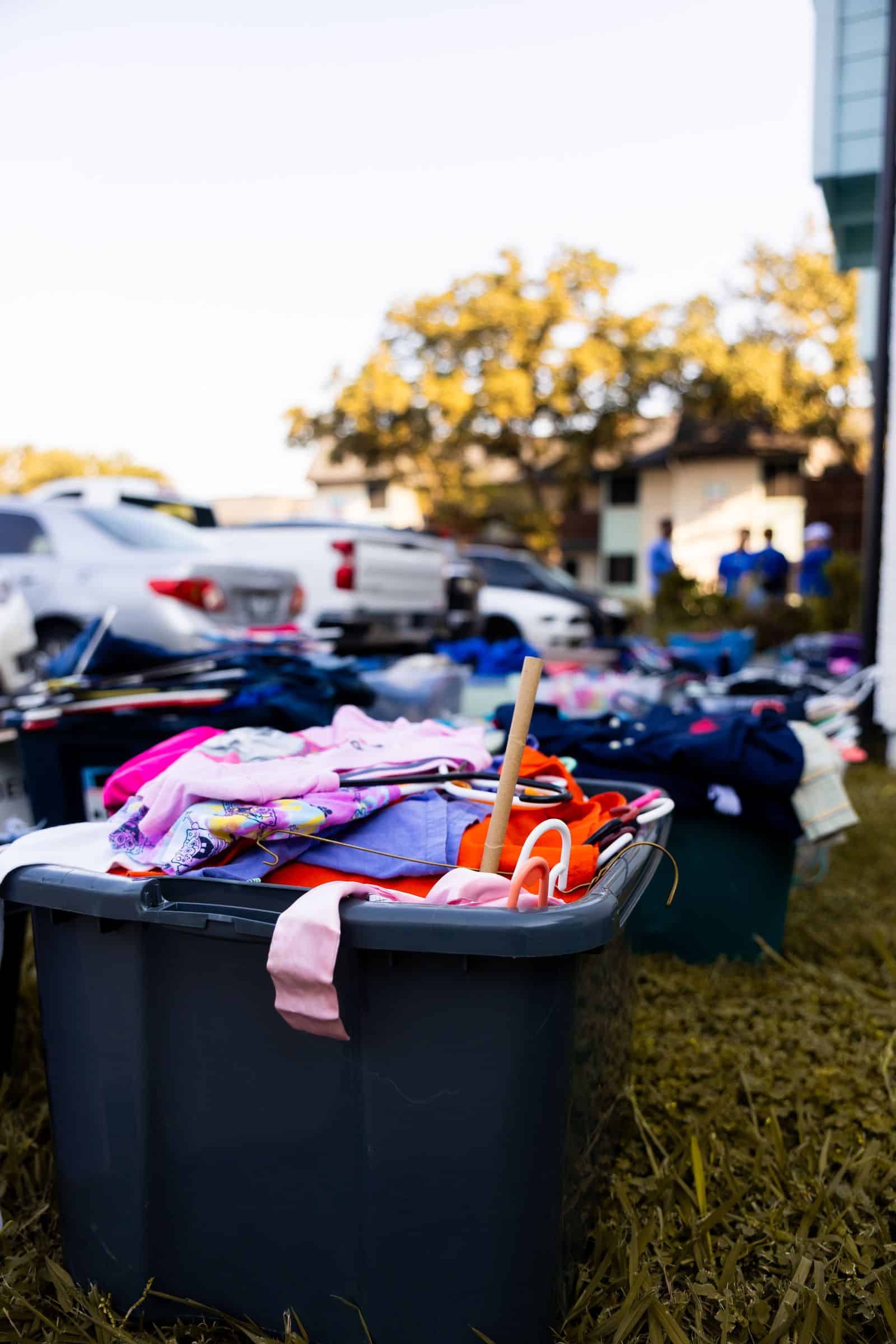
1. Older Cribs and Any Drop-Side Crib
Baby cribs are near the top of the list. The CPSC’s Reseller’s Guide tells sellers to destroy any crib manufactured before June 28, 2011, unless there is written proof that it meets the current federal safety standard. Drop-side cribs, the style with a side rail that slides down, must be destroyed even if they have been immobilized with new hardware.
Cribs made after that 2011 date can be resold, but only if they are fully assembled with all their original parts and hardware. A crib missing a single bolt is not a bargain; it is a liability. Some household items are simply better bought new, as this list of home appliances worth buying new instead of from a thrift store points out.
2. Inclined Infant Sleepers and Padded Crib Bumpers
Two other nursery staples became banned products under federal law in 2022. The Safe Sleep for Babies Act, signed on May 16, 2022, made it unlawful to sell or offer for sale inclined sleepers for infants and crib bumpers. According to the CPSC’s business guidance on the law, the ban took effect on November 12, 2022, “regardless of the date of manufacture,” so products bought years earlier are covered too.
The law defines an inclined sleeper as a product with a sleep surface angled more than 10 degrees that is meant for babies up to 1 year old. Its definition of crib bumpers includes padded bumpers, vinyl bumper guards and vertical crib slat covers, though non-padded mesh crib liners are not included.
3. Children’s Toys and Furniture With Lead Paint
That box of vintage painted toys or a charming old child’s rocking chair could run afoul of federal lead limits. The Reseller’s Guide states that paint and surface coatings on toys, other children’s items and movable painted furniture may contain no more than 90 parts per million of lead. Any accessible part of a children’s product is limited to 100 parts per million of total lead content.
The guide says resellers cannot knowingly sell children’s products that exceed those limits, and it singles out children’s metal jewelry as an item that must be tested. Since lead cannot be spotted by eye, older painted children’s items are often safest left off the table entirely.
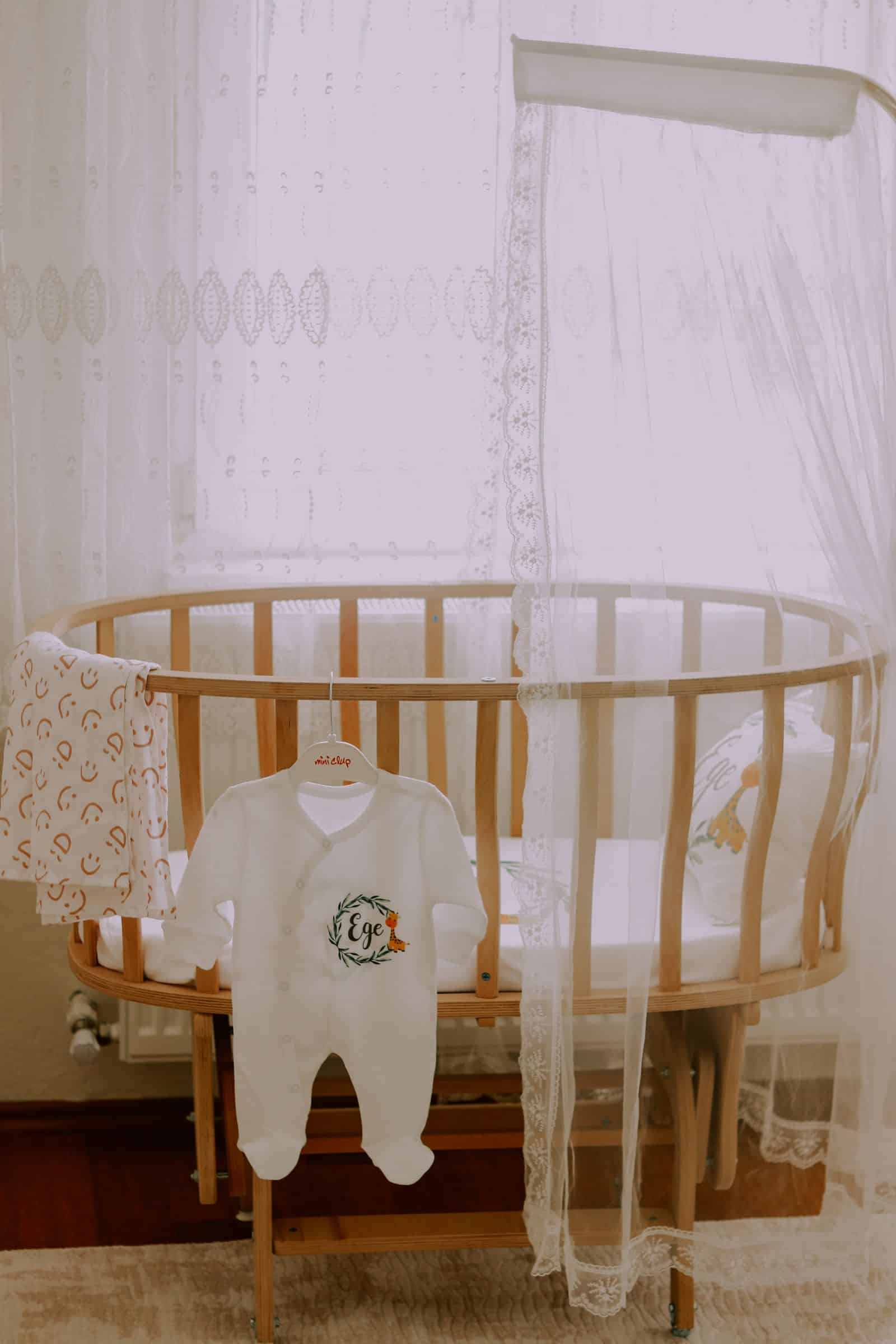
4. Kids’ Jackets and Hoodies With Drawstrings
This one surprises a lot of sellers. Under the CPSC’s rules for children’s upper outerwear, hood and neck drawstrings must be completely removed from jackets and sweatshirts in sizes 2T to 12. Waist and bottom drawstrings on sizes 2T to 16 must be modified or removed, with specific limits on how far they can hang outside the channel and rules covering toggles or knots at the ends.
The fix is usually simple. Pulling the cord out of a hood before the sale can turn a non-compliant hoodie into a perfectly sellable one.
5. Anything Under a Recall
The Reseller’s Guide puts it bluntly: “It is illegal to sell any recalled product.” It adds that even keeping one in inventory for resale is a violation. The only exception is a product that has already been repaired according to the official recall remedy.
The listing site EstateSales.NET bans recalled items in its prohibited-items policy, naming lawn darts, drop-side cribs and hope chests as examples. The CPSC also notes that ignorance of the law is not an excuse, so checking an item’s history before putting a price tag on it is a smart habit.
6. Prescription Medications
Leftover prescription drugs are never fair game at a garage sale. Writer Travis Campbell, in a piece republished by AOL, noted that prescription drugs cannot be sold at a yard sale, and recommended authorized take-back programs or pharmacies for getting rid of them. He added that regulated medical devices, such as CPAP machines and used hearing aids, also require proper authorization to sell.
EstateSales.NET takes the same line, prohibiting any medication or medical device that requires a prescription from being sold or even pictured in a listing.
A Few More to Think Twice About
Several other categories can land sellers in trouble depending on where they live. Campbell’s AOL piece pointed out that many states restrict the sale of used mattresses unless they are sanitized and properly labeled, and that counterfeit designer bags, copied DVDs and pirated software are illegal to sell anywhere. EstateSales.NET also notes that alcohol can only be sold by someone properly licensed to do so.
When in doubt, the CPSC’s Small Business Ombudsman can answer questions about what is and is not allowed. For more on what to keep, see these 12 items boomers should never sell, no matter what, and for anyone passing down baby gear to a new generation, these 12 old-fashioned parenting tricks that still work may come in handy.
This article was written with the help of AI tools and checked against the sources linked above.




