

The paper check has been declared dead more times than anyone can count, yet it keeps showing up in mailboxes, donation envelopes and contractors’ pockets. Retailers such as Target, Aldi and Whole Foods have stopped accepting personal checks, according to a CNBC report on the move toward “check zero”, and check-writing has fallen by nearly 75% since 2000.
Even so, a surprisingly large share of Americans have not given up their checkbooks. A new analysis from the Federal Reserve Bank of Atlanta on consumers’ use of personal checks found that 51.29% of U.S. adults wrote at least one personal check in the previous 12 months. The habit sits comfortably alongside other old-fashioned routines, many of which appear in 14 boomer habits that are making a comeback.
Payment data cannot read minds, but it does show clear patterns in who writes checks and what they use them for. Based on that research, here are 6 traits people who still write paper checks often share.
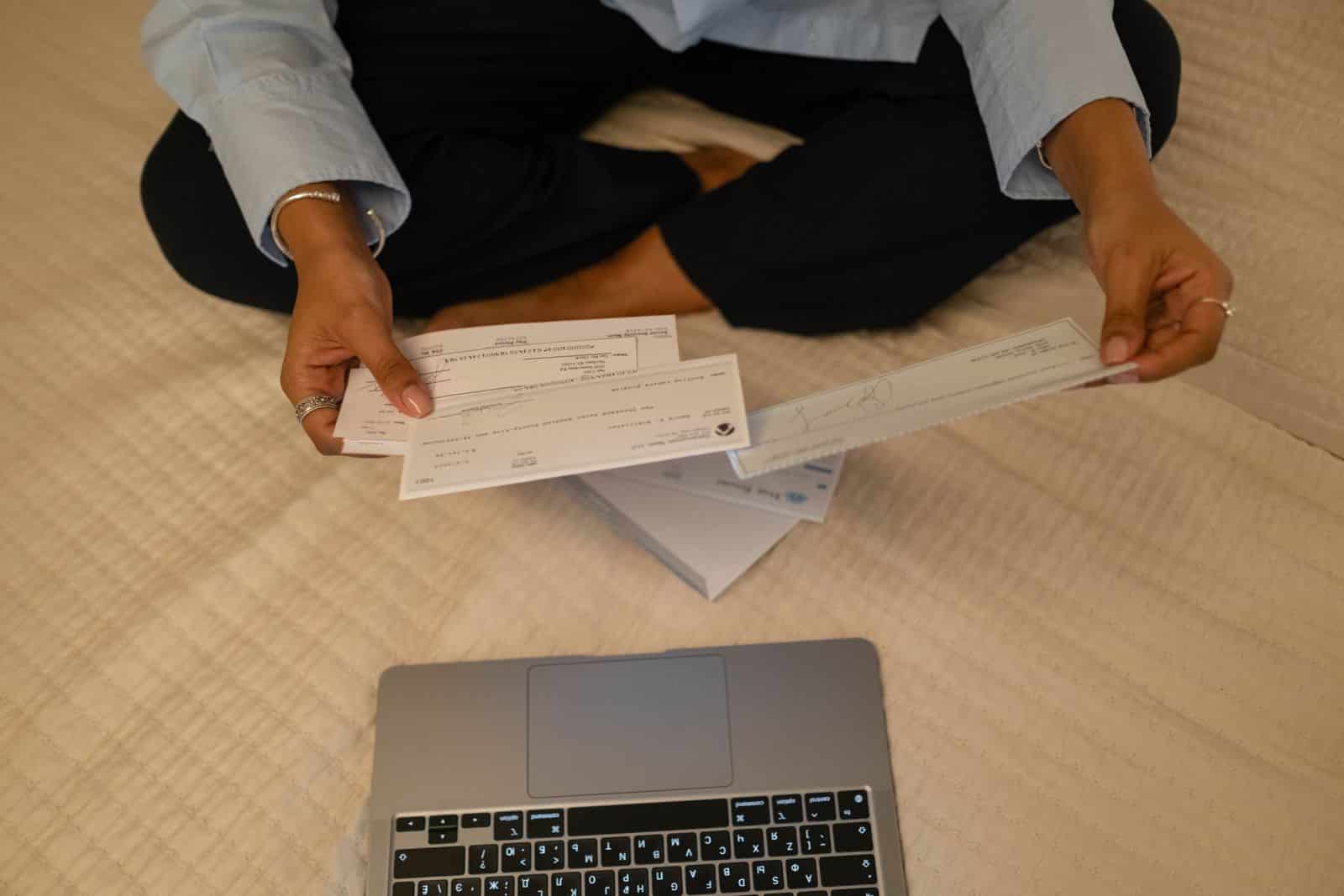
1. They Remember When Checks Ruled Everyday Banking
Age is the single clearest dividing line. The Atlanta Fed analysis, written by economist Oz Shy and based on the 2021 to 2025 Survey and Diary of Consumer Payment Choice, found that people aged 75 and older write about 4.14 checks per month, compared with just 0.077 for adults aged 18 to 24. Check use rises steadily with every age bracket in between.
That makes sense historically. CNBC notes that checks became the most widely used noncash payment in the country after World War II, when checking accounts spread to middle-class households. For many older Americans, a checkbook is as familiar as the other everyday objects remembered in 31 forgotten household items from the past, except that this one never quite disappeared.
2. They Are Deliberate About Bigger Payments
Check writers rarely reach for the checkbook to buy a coffee. According to the Atlanta Fed, the median check rose from $120 in 2021 to $137.58 in 2025. An earlier Atlanta Fed report, summarized by Digital Transactions in its look at the last bastions of check use, found checks averaged about $300 compared with $84 for other payment types.
Writing out an amount by hand, signing it and mailing it takes time, and that extra step suits people who like to slow down before money leaves the account. It is a mindset that overlaps with the advice in 10 clever frugal living tips, where careful spending is the whole point.
3. They Build Personal Relationships With Local Tradespeople
One of the last strongholds for checks is home repair. The Atlanta Fed found that 31.7% of payments to contractors, plumbers and electricians are made by check, a far higher share than at most high-volume stores. The analysis explains that contractors serve relatively few customers each day and often know them personally, which keeps the risk of a bounced check low.
That suggests many check writers are the kind of people who call the same plumber for years and settle up at the kitchen table. Trust runs in both directions, and a check is a simple way to keep that relationship personal.
4. They Make Charitable Giving a Habit
Donations are another area where checks hold on. The Atlanta Fed reported that 21.5% of donations are paid by check, and that this category accounts for 16.1% of all check payments. The analysis notes that charities, like contractors, have a reason to accept checks because they avoid card processing fees.
Checks also remain a classic way to send money to family. A public radio report on whether it is time to write off checks pointed out that relatives still mail checks for weddings and birthdays, a small tradition that many grandparents continue.
5. They Like Having a Paper Trail
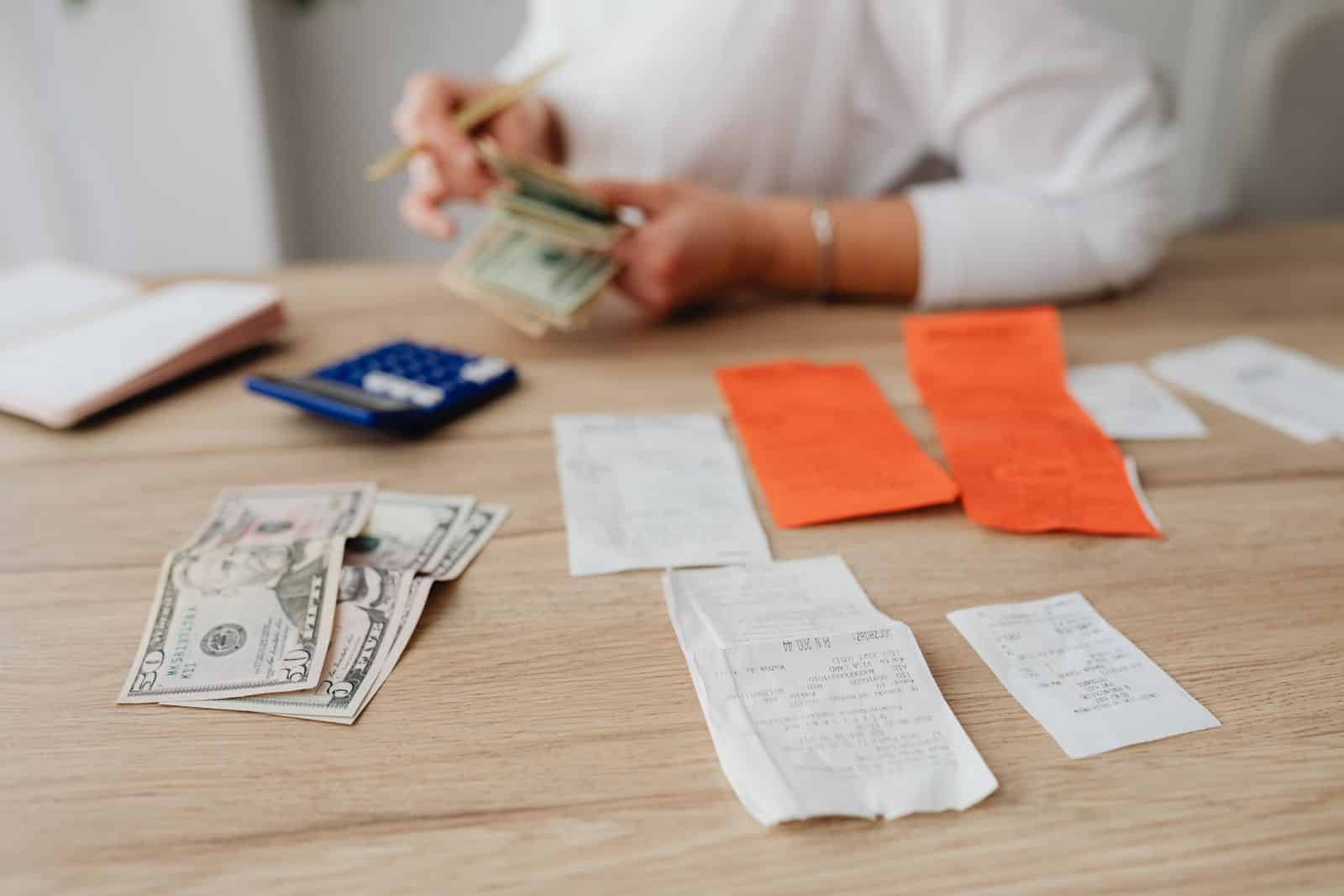
For some, the appeal of a check is the record it leaves behind. The same public radio report noted that some businesses keep writing checks specifically to leave an audit trail. Individuals who still balance a check register often feel the same way, preferring a written record of where each payment went and when.
Household bills make up a large share of that record. The Atlanta Fed found that 23.3% of government tax payments are made by check, and that utilities and mortgage, insurance and credit card payments together make up a sizable share of all checks written. Some landlords also refuse cards for rent, leaving checks or bank transfers as the main options.
6. They Stick With Routines That Work
Check writers are not stubborn so much as consistent. A Boston Fed working paper by Joanna Stavins on the shift from paper to electronic payments found that the share of bills paid by check fell from 30% in 2008 to 10% in 2018, a long and gradual decline rather than a sudden drop. The Atlanta Fed now measures the decline at about 11.6% a year.
In other words, many people move to digital payments slowly, one bill at a time, and keep the checkbook for the payments where it still feels right. Greg Litster, founder of check supplier SAFEChecks, told the public radio program he sees demand for checks as stable rather than disappearing.
A Habit Worth Handling Carefully
Checks are not without drawbacks. Scott Anchin of the Independent Community Bankers of America told CNBC that check fraud is a significant problem and described checks as inherently insecure, predicting that more businesses will stop accepting them. Plenty of other old-school money habits are still common, as seen in 9 things boomers keep in their wallets that leave younger generations confused.
Writing a check correctly is also becoming a lost art among younger adults. That shift fits alongside the practical know-how covered in 11 skills boomers learned before age 15 that are uncommon today.
This article was written with the help of AI tools and checked against the sources linked above.




