

Not long ago, children were drilled on a long list of polite habits before they could ride a bike. They said “Mr.” and “Mrs.,” stood up when a guest walked in and wrote a note of thanks for every birthday check from a grandparent. Those lessons were simply part of growing up.
Plenty of families still teach good manners, but the list has shrunk. Etiquette experts interviewed by Business Insider and Best Life say many of the formal rules boomers and Gen Xers learned have faded as daily life has grown more casual. Some of them sit alongside the old-school etiquette rules that have disappeared for adults, too. Back in 2011, a Rasmussen Reports survey cited by NPR found that 76% of respondents believed Americans were becoming ruder and less civil.
With families gathering around the table for Thanksgiving, here are 8 old-school manners many kids no longer learn.
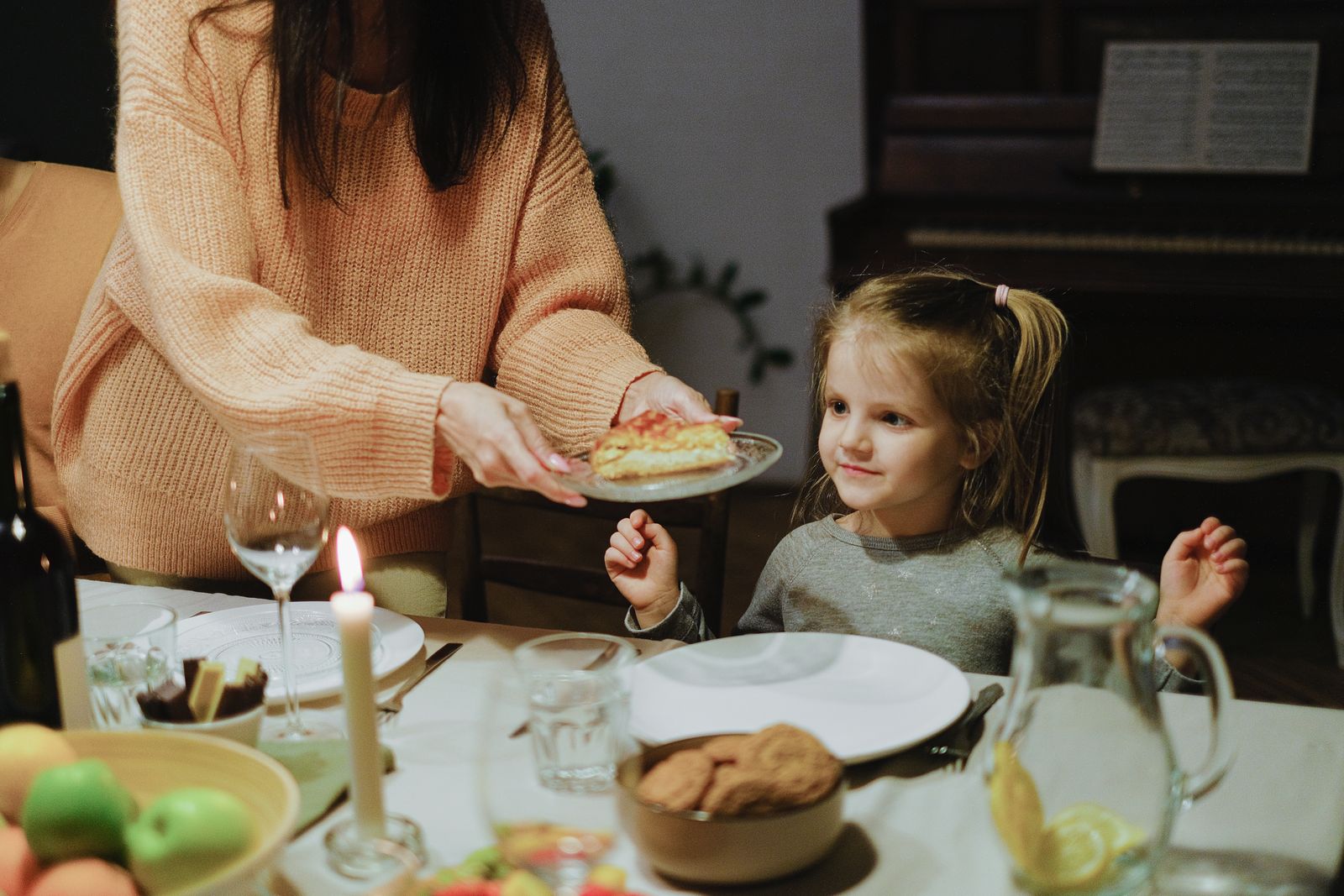
1. Calling Adults “Mr.” or “Mrs.”
Children once addressed nearly every grown-up by title and last name. According to Business Insider, that sign of respect is rarely taught now, with Charles MacPherson, founder of a training firm for private household staff, saying society has simply become much more casual. Lisa Gaché of Beverly Hills Manners told the outlet that many adults now ask kids to use their first names to signal equality.
Former teacher Cendu Param told Best Life that outside of school, children rarely use “Mr.,” “Miss” or “Mrs.” anymore. For many kids today, a parent’s friend is simply called by a first name.
2. Setting a Proper Table
Many kids were once handed the job of setting the dinner table, complete with fork, knife, spoon, napkin and water glass. Gaché told Business Insider that children used to learn exactly where each item belonged. Gottsman, another etiquette expert quoted in the piece, added basics such as working from the outside in with utensils, placing the bread plate on the left and drinks on the right, and passing the salt and pepper together.
Gottsman also called the sit-down family dinner a lost art, noting that busy schedules and activities have pushed dining skills aside. Setting the table is one of those kid-friendly chores that can help teach new skills, and it pairs naturally with the kind of dining etiquette mistakes an etiquette teacher sees most often.
3. Standing Up for Introductions
Standing to greet a guest or an older relative used to be automatic. Param told Best Life that her parents taught her this early, and that students once even stood to answer questions in class.
The rule has also evolved. Business Insider noted that boys were once taught to stand while girls stayed seated, but Gottsman said both should now stand to show respect for themselves and for the other person. It takes two seconds and still makes a strong impression.
4. Waiting Until Everyone Is Served
At many tables, kids get their plates first and dig in right away. Amy Martin, founder of Two Little Pandas, told Best Life that children should wait until the whole table has been served before they start eating.
Older generations learned this one without question, usually along with keeping a napkin in the lap and asking someone to pass a dish instead of reaching across the table. At a holiday meal with a dozen relatives, those small habits keep things calm.
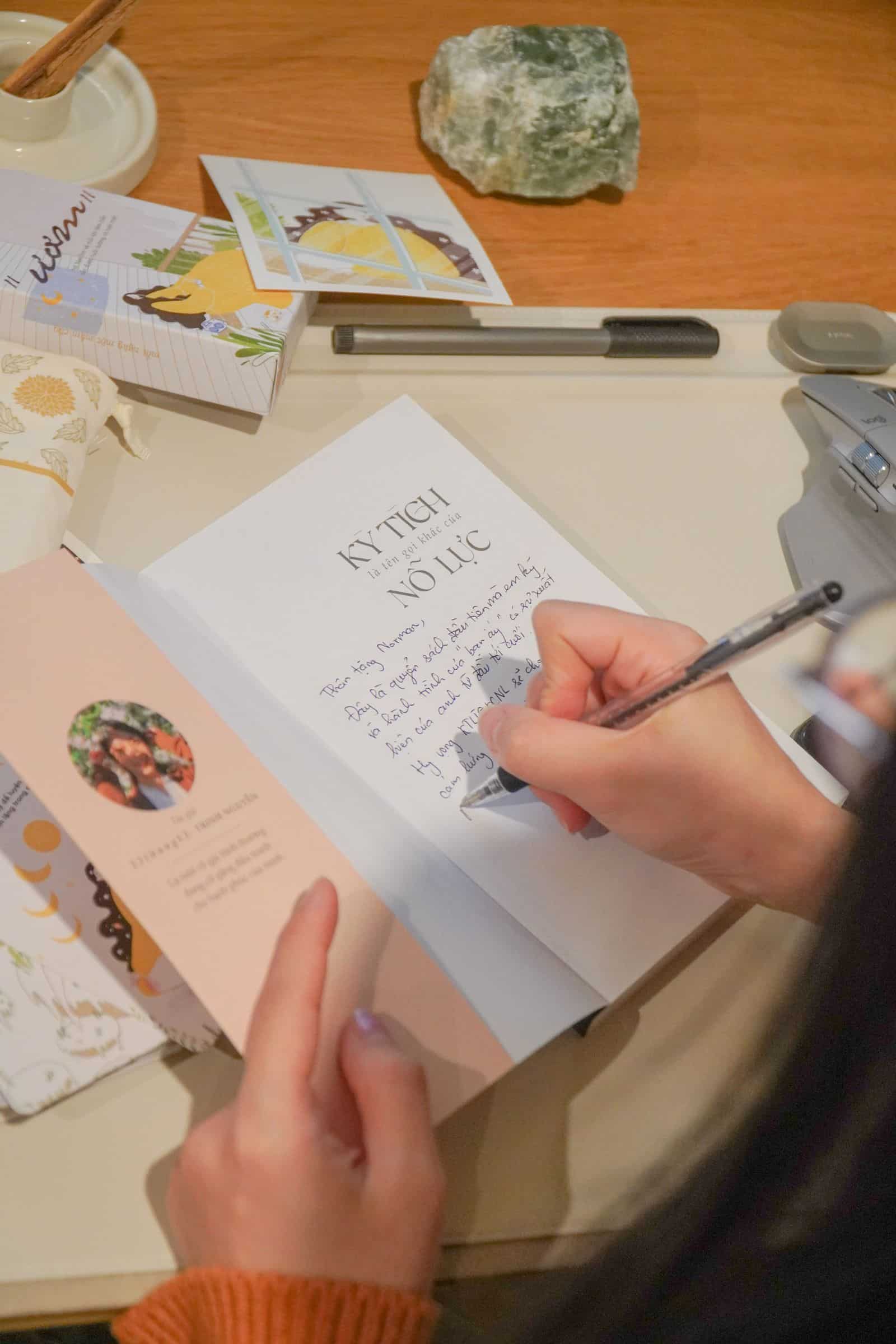
5. Writing Handwritten Notes of Thanks
This is the manner most often mourned by grandparents. An AARP piece on the fading handwritten note of thanks cited a 60 Minutes/Vanity Fair poll in which only 23% of respondents considered handwritten notes of thanks important. Lizzie Post, coauthor of Emily Post’s Etiquette, told AARP that texts and emails do not count when the giver was not there to see the gift opened, and that a note confirms both that the gift arrived and that it was appreciated.
On TODAY, New York Times columnist Philip Galanes described a serious shift in attitudes after a grandmother of nine said her grandchildren never sent cards to say thanks for gifts. One young commenter admitted to never having bought, or even seen, a stamp. Some parents now start with short video messages of thanks and move to handwritten notes once kids can write.
6. Asking to Be Excused From the Table
Kids once stayed seated until the meal was over or asked permission to leave. Param told Best Life that simply getting up and walking away without asking comes across as rude.
The polite request to be excused is heard far less often at family dinners, and phones and screens now compete for attention at the table. Bringing it back is easy, and it signals respect for whoever cooked.
7. Asking Permission First
Children used to ask before grabbing a snack, borrowing a toy or turning on the TV at someone else’s house. MacPherson told Business Insider that society now encourages kids to feel free to do as they wish.
Psychiatrist Gregory E. Smith told NPR that asking permission and offering help without being asked have both become less common. Teaching kids to check first, especially as guests, remains one of the simplest ways to show good manners.
8. Dressing Up for Special Occasions
Dressy outfits for holidays and family events were once expected. Gaché told Business Insider that kids now put comfort first, with sweats and sensible shoes replacing more formal clothes. Gottsman said children should still learn to dress appropriately for weddings, funerals and the theater.
That does not mean a suit for every event. It simply means knowing that some moments call for a little more effort, a lesson that tends to stick for life.
Manners Still Matter
Manners change with every generation. Cindy Post Senning of the Emily Post Institute told NPR that the core principles of respect, consideration and honesty are universal and timeless, even as specific rules shift. These 8 habits are less about formality than about noticing other people.
For more on how etiquette is changing, see this look at 12 etiquette rules losing favor with younger generations, along with 12 old-fashioned parenting tricks that still work.
This article was written with the help of AI tools and checked against the sources linked above.




