

Drones have gone from pricey novelty to an ordinary hobby. Plenty of people now unbox one for backyard photos, beach videos or a bird’s-eye view of a family road trip, often alongside other gear like the picks in a FrenzHub guide to travel cameras under $500. What many new pilots do not realize is that the rules do not stop with the Federal Aviation Administration.
The FAA controls the sky itself. It handles registration, airspace and the core flight rules. But as a drone law overview from attorney Jonathan Rupprecht explains, states still get to regulate behavior on the ground, which covers privacy, trespass, criminal misuse and flights near sensitive places such as prisons and utilities. That split has produced a patchwork of state laws, and some of them carry real penalties.
Using a state-by-state summary from FindLaw’s drone laws by state, here are 8 things that can get a drone pilot in trouble in many parts of the country.
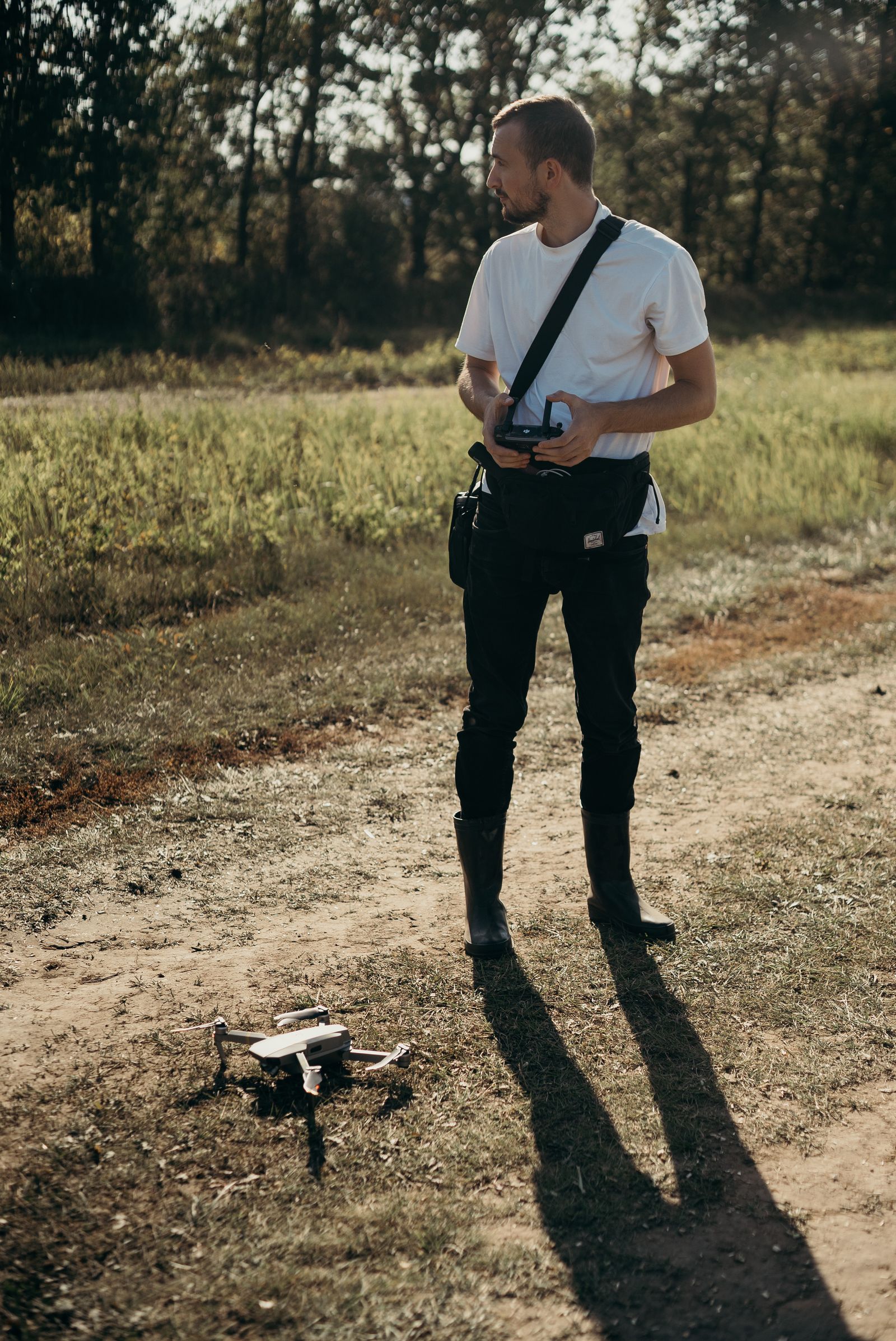
1. Recording people where they expect privacy
This is the most common type of state drone law. California allows civil penalties of $5,000 to $50,000 when a drone captures video or sound of a person without consent in a private setting. Arkansas treats drone video voyeurism as a Class B misdemeanor, rising to a Class A misdemeanor if the images are shared online. Mississippi makes using a drone to peep into a building for a lewd purpose a felony. Wisconsin, Tennessee and Washington have similar rules aimed at backyards, windows and changing areas. For homeowners already weighing tools like a FrenzHub look at Ring cameras for a busy front door, these laws offer a second layer of protection from the air.
2. Flying over power plants and other critical infrastructure
Many states protect what they call critical infrastructure, a list that usually includes power stations, water treatment plants, refineries and similar sites. Texas makes flying over one of these facilities a Class B misdemeanor. Arizona goes further and treats photographing or flying over a critical facility as a felony. Florida bans flights over these sites without written permission, and Delaware, Kentucky and Nevada have their own versions. Oklahoma allows civil damages when a drone flies under 400 feet over a covered facility. The fences around these places often carry signs, but the law applies whether or not a sign is posted. As more connected devices fill everyday life, as described in a FrenzHub piece on what smart homes will look like in 2026 and beyond, lawmakers keep adding sensitive sites to these lists.
3. Going near a prison or jail
Corrections officials have dealt with drones dropping contraband over prison walls, and lawmakers have responded. Iowa treats flying over a correctional facility as a Class D felony. North Carolina bans flights within 500 feet of a correctional facility, and South Carolina sets a limit of 500 feet around or 250 feet above one. California treats flying above a correctional facility as an infraction with a $500 fine. In Missouri, South Dakota and Utah, actually delivering items by drone is a felony. A hobbyist who simply wanders too close while chasing a scenic shot can still face charges, so checking a map before takeoff matters.
4. Using a drone to hunt or scout game
Wildlife agencies see drones as an unfair edge in the field. Michigan bars hunters from using drones to locate, hunt, catch or trap wild animals and fish. Oregon prohibits drones for fishing, hunting or trapping, including locating game ahead of time. Idaho, Kansas and Utah have similar bans, and Colorado prohibits using drones to scout or detect wildlife while hunting. Texas requires a special Aerial Management Permit for hunting with a drone. Even pilots who never pick up a rifle should know that Colorado and Connecticut also restrict using drones to harass or chase wildlife.
5. Getting in the way of hunters and anglers
The flip side of the hunting rules protects people who are hunting or fishing lawfully. Nebraska treats drone flights that interfere with hunters and fishers as a Class III misdemeanor. New Hampshire makes using a drone to interfere with lawful hunting, fishing or trapping a violation. These laws are aimed at people who fly over a hunting area on purpose to scatter animals or disrupt a season, but a careless flight over a duck blind or a trout stream on opening day could draw unwanted attention from a game warden.
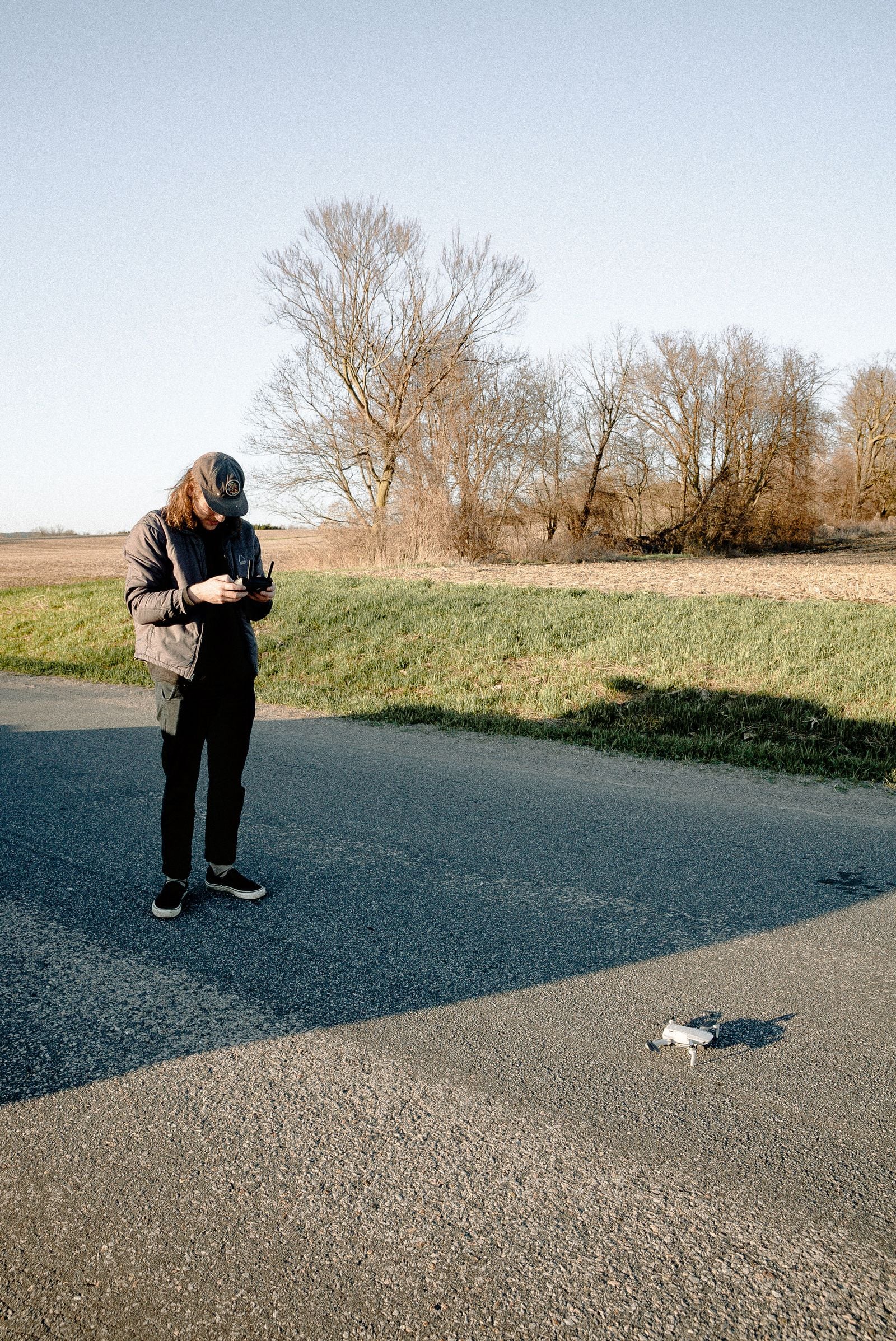
6. Attaching any kind of weapon
Arming a drone is treated very seriously almost everywhere it has been addressed. Nevada makes attaching a weapon to a drone a Category D felony and firing a weapon from one a Category C felony. North Carolina treats attaching a weapon as a Class E felony, and Wisconsin makes flying a weaponized drone a Class H felony. Florida bans weapons, explosives and ammunition on drones, while Oregon, Utah and Vermont have their own penalties. Vermont’s law also covers firing a projectile, with up to 1 year in jail. Novelty attachments that launch objects could fall into these categories, so hobbyists are wise to skip them.
7. Hovering over a fire, crash or other emergency
Firefighting aircraft sometimes have to stop flying when a drone appears overhead, which is why states have stepped in. California makes flying a drone to view an emergency scene a misdemeanor. Arizona treats interfering with emergency services by drone as a Class 1 misdemeanor. Utah penalizes flying during a declared wildfire emergency, with penalties that can reach a felony, and Montana treats drone flights that obstruct wildfire response as civil violations. Colorado, Delaware, Michigan and New Jersey also restrict drones near first responders. In Louisiana, flying past a police cordon can be treated as resisting law enforcement.
8. Flying while drunk or recklessly
A drone is not a car, but some states treat an impaired pilot in a similar way. New Jersey makes piloting a drone with a blood alcohol content over 0.08% illegal. Nevada treats flying recklessly or while intoxicated as a gross misdemeanor. Pennsylvania can fine reckless drone operation up to $300, and Wyoming prohibits flying at a low altitude or in a dangerous manner. Nevada also lets property owners sue operators who repeatedly fly low over private land without permission, and Rupprecht’s overview notes that 250 feet is a common threshold in those trespass laws.
Federal rules still apply on top
None of these state laws replace federal rules. The FAA’s page on drones near stadiums and sporting events says flights are banned within 3 nautical miles of a stadium from 1 hour before to 1 hour after major games, including NFL, MLB and NCAA Division One football. The National Conference of State Legislatures tracks how federal and state roles fit together as the rules keep changing.
Because these laws change often, checking current state statutes and local park rules before a flight is the safest habit. Readers who like knowing the fine print may also enjoy 12 old-school driving tips banned today, and anyone shopping for a retired relative might browse 8 must-have tech devices for boomers in retirement.
This article was written with the help of AI tools and checked against the sources linked above.




