

In a world of tap-to-pay screens and digital wallets, some diners still reach for a few folded bills when the check arrives. Even after paying the meal itself with a card, these customers leave the tip in cash, every time.
That habit says something about how a person thinks about money and the people who serve them. Cash tippers often share a practical streak, the kind celebrated in a FrenzHub list of 10 clever frugal living tips, paired with a strong sense of fairness.
Here are 8 traits people who always tip in cash often have in common.
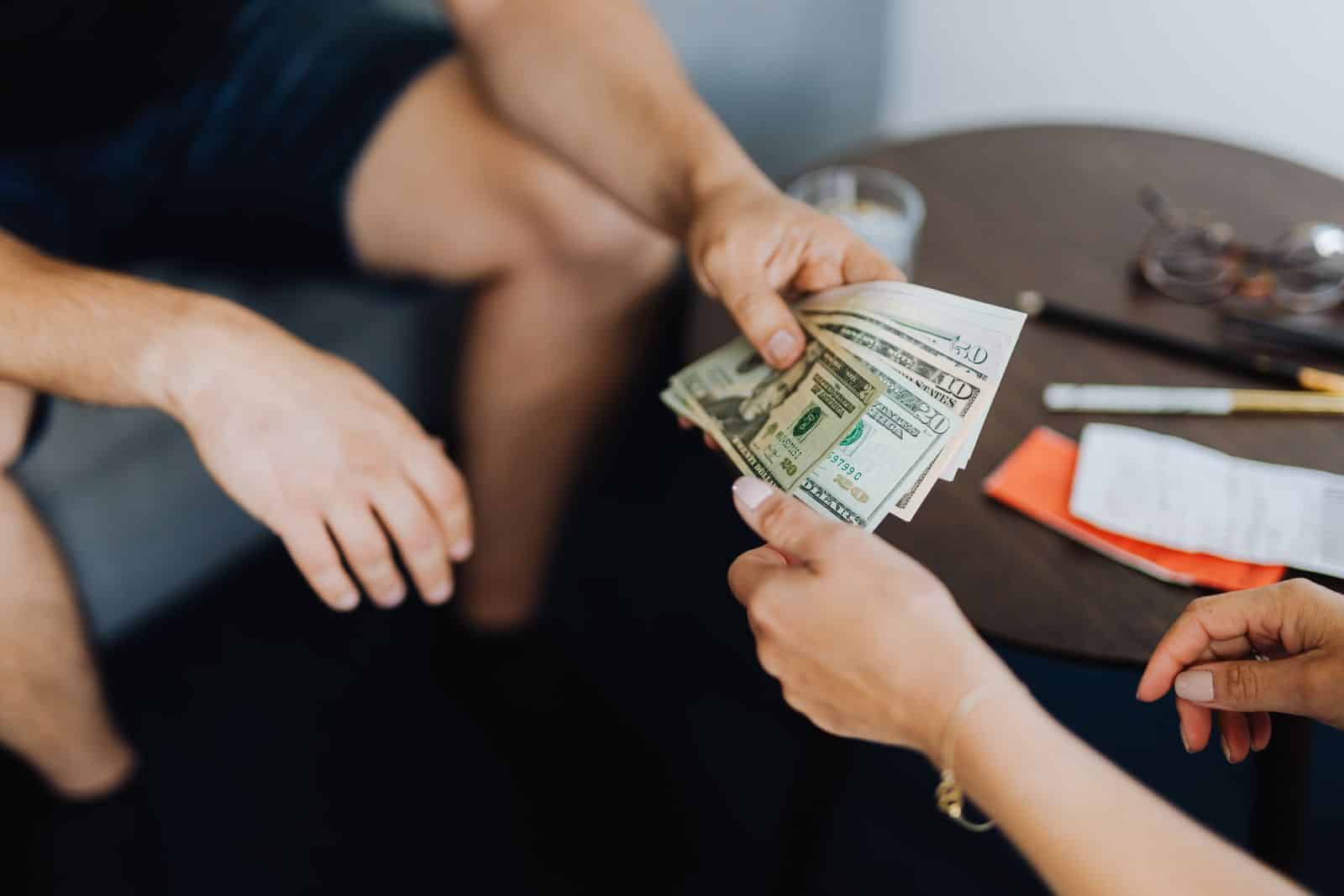
1. They Pay Attention to Where Money Ends Up
Cash tippers tend to think beyond the moment of payment. A tip added to a card slip does not always reach the worker in full. According to Chase’s guide to tipping on a credit card, employers are legally allowed to subtract card processing fees from employee tips. Payroll company OnPay puts those fees at roughly 2% to 3%, so a $30 tip could shrink to $29.10. People who know how card payments work, a topic covered in a FrenzHub guide on how credit cards work for beginners, often choose cash to sidestep that cut.
2. They Have Real Empathy for Service Workers
Many cash tippers know how restaurant pay works. Under federal law, employers can pay tipped workers a cash wage as low as $2.13 an hour, taking a tip credit of up to $5.12 toward the $7.25 federal minimum, according to the U.S. Department of Labor. People who understand that tips make up much of a server’s income treat tipping as part of the meal’s real cost. Choosing cash is a way to make sure the gesture lands as intended. Attentive diners may also recognize the warning signs in a FrenzHub piece on 22 red flags when dining at a restaurant.
3. They Think About a Worker’s Cash Flow
Timing matters to people living paycheck to paycheck, and cash tippers often recognize that. OnPay explains that cash tips go home with an employee at the end of the transaction, while card tips usually wait for the next paycheck, which can take two weeks or more. For a server who needs gas money or groceries tonight, that difference is real. Cash tippers tend to picture the person on the other side of the table, and they like knowing the money is available right away, without a delay set by a payroll calendar.
4. They Plan Ahead
Most people no longer carry much cash, as The Daily Meal points out in its look at cash versus card tipping. That makes a cash tip a small act of preparation. Someone who always tips in cash has usually stopped at an ATM, broken a large bill or tucked a stack of fives and tens into a wallet before heading out. That forethought tends to show up in other areas too, such as arriving on time, keeping a budget or packing for trips early. A habit this consistent rarely happens by accident. It reflects a person who thinks a few steps ahead of the moment.
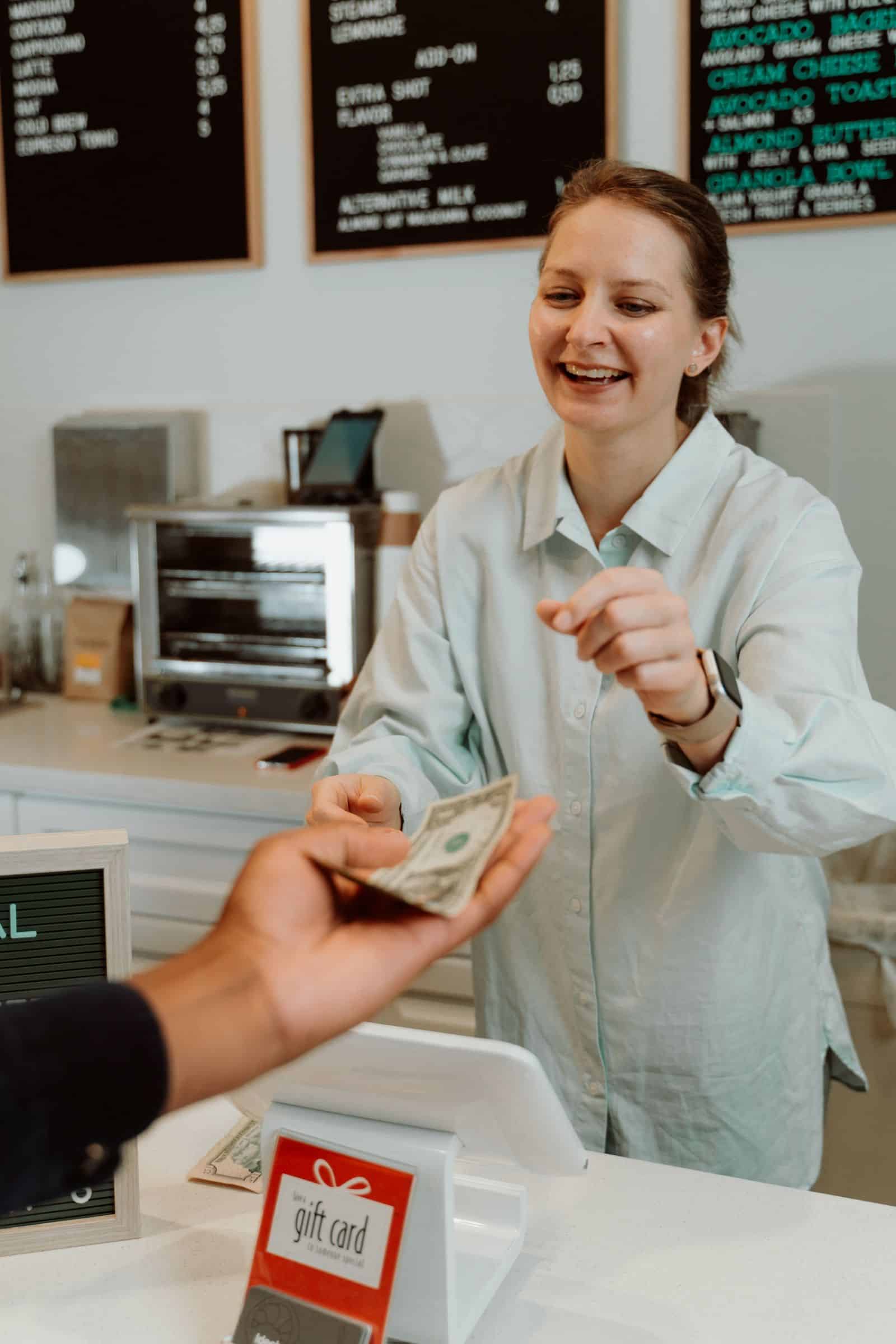
5. They Are Detail-Oriented
Card tips are written by hand and keyed in by staff, which leaves room for small mistakes. The Daily Meal notes that cash avoids manual entry errors, such as an accidental extra zero. People who prefer cash often like the certainty of seeing exactly what they left on the table. There is no second look at a bank statement to confirm the right total went through and no worry about a misread scribble. That same precision often carries into other parts of life, from double-checking receipts to keeping careful records of where every dollar goes each month.
6. They Hold On to Old-School Habits
Cash is far from dead. The Federal Reserve’s payments research reports that cash remained the third most used payment method for the sixth straight year in its 2026 findings, and that adults 55 and older rely on it more than other groups. Many cash tippers learned the habit decades ago and simply never dropped it. For them, leaving bills on the table is part of good dining manners, much like saying thanks on the way out. These customers tend to value traditions that still work, even when newer options exist.
7. They Like a Personal Touch
Handing a server a few bills, or leaving them neatly tucked under a coffee cup, feels different from a number typed into a screen. Cash tippers often enjoy that small human moment. It lets them say thanks directly, sometimes with a word of praise for great service or a quick note on the receipt. This preference usually reflects a person who values face-to-face connection in a world where so many transactions happen through apps. They tend to remember a favorite server’s name and return to the same places, building relationships that go beyond a single meal.
8. They Watch Their Own Spending Closely
Cash has a way of making spending feel real. Bills leaving a wallet are easy to see and count, unlike a card total that blends into a monthly statement. Many cash tippers use the habit as a quiet budgeting tool, setting aside a specific amount for tips before a night out. The Federal Reserve research also notes that lower-income households tend to rely more on cash. For many people, cash offers a simple sense of control. Knowing exactly what is left after dinner helps them stay on track without needing to check an app later.
A Small Habit With a Big Message
Tipping in cash is not the only right way to show appreciation, and card tips still help workers. Yet people who consistently choose cash tend to share a mix of fairness, foresight and warmth. Restaurant habits often reveal more than people expect, a point explored in a FODMAP Everyday list of 11 restaurant habits of boomers that Gen Z finds cringeworthy.
Kindness tends to show up in small, steady choices, as another FODMAP Everyday piece on why the kindest people often have the smallest circles explains. A few bills left on the table can be one of those choices.
This article was written with the help of AI tools and checked against the sources linked above.




