

America’s national parks protect some of the most spectacular landscapes on the planet, from steaming geyser basins to rocky coastlines and ancient forests. Keeping them that way depends on a set of federal rules that every visitor is expected to follow, and some of them surprise people who assume anything goes in the great outdoors.
Most of these rules come from Title 36 of the Code of Federal Regulations, and individual parks add their own through a document called the Superintendent’s Compendium. Breaking them can lead to fines, so a little homework before a visit goes a long way. Anyone planning a trip, whether to a famous park or a quieter gem like the one in a FrenzHub feature on exploring Channel Islands National Park, will want to know the basics before arriving.
Campers and RV travelers should also brush up on general outdoor etiquette, and a FrenzHub list of 15 common mistakes every camper should avoid is a helpful starting point, along with a FrenzHub guide to 10 best destinations for RV campers in America. Here are 8 things it is illegal to do in a national park, based on official National Park Service rules.
1. Take Home Rocks, Plants or Antlers
That perfect stone, wildflower or shed antler has to stay where it was found. Yellowstone National Park lists removing or possessing natural or cultural resources, including wildflowers, antlers, rocks and arrowheads, as prohibited under 36 CFR 2.1. At Petrified Forest National Park, the rule is spelled out plainly: “Do not remove any natural or cultural object from the park, including fossils, rocks, animals, plants, and artifacts.” The park sets a minimum fine of $325 for removing or damaging petrified wood or other natural or cultural features.
2. Feed the Wildlife
Tossing a snack to a chipmunk or a begging gull might seem harmless, but it is against the law. Feeding wildlife is prohibited under 36 CFR 2.2, and Acadia National Park specifically names gulls and roadside animals that beg for food. Glacier National Park puts it simply: “Never feed animals.” The park explains that feeding harms animal health, changes natural behavior and can lead to dangerous encounters with people. Food also needs to be stored properly, such as in a hard-sided locker or vehicle, so animals cannot get to it on their own.
3. Fly a Drone
Drone footage of canyons and waterfalls is tempting, but most national parks ban it. Acadia states that launching, landing and operating unmanned aircraft, or drones, is prohibited in the park. Yellowstone lists the same ban for its lands and waters, and Great Smoky Mountains National Park says drones and other unmanned aircraft may not be operated within park boundaries. The rules help protect wildlife from disturbance and preserve the natural quiet many visitors come to enjoy. Acadia also requires a permit for commercial photography or filming, so even professional crews have to plan ahead.
4. Step Off the Boardwalk in Thermal Areas
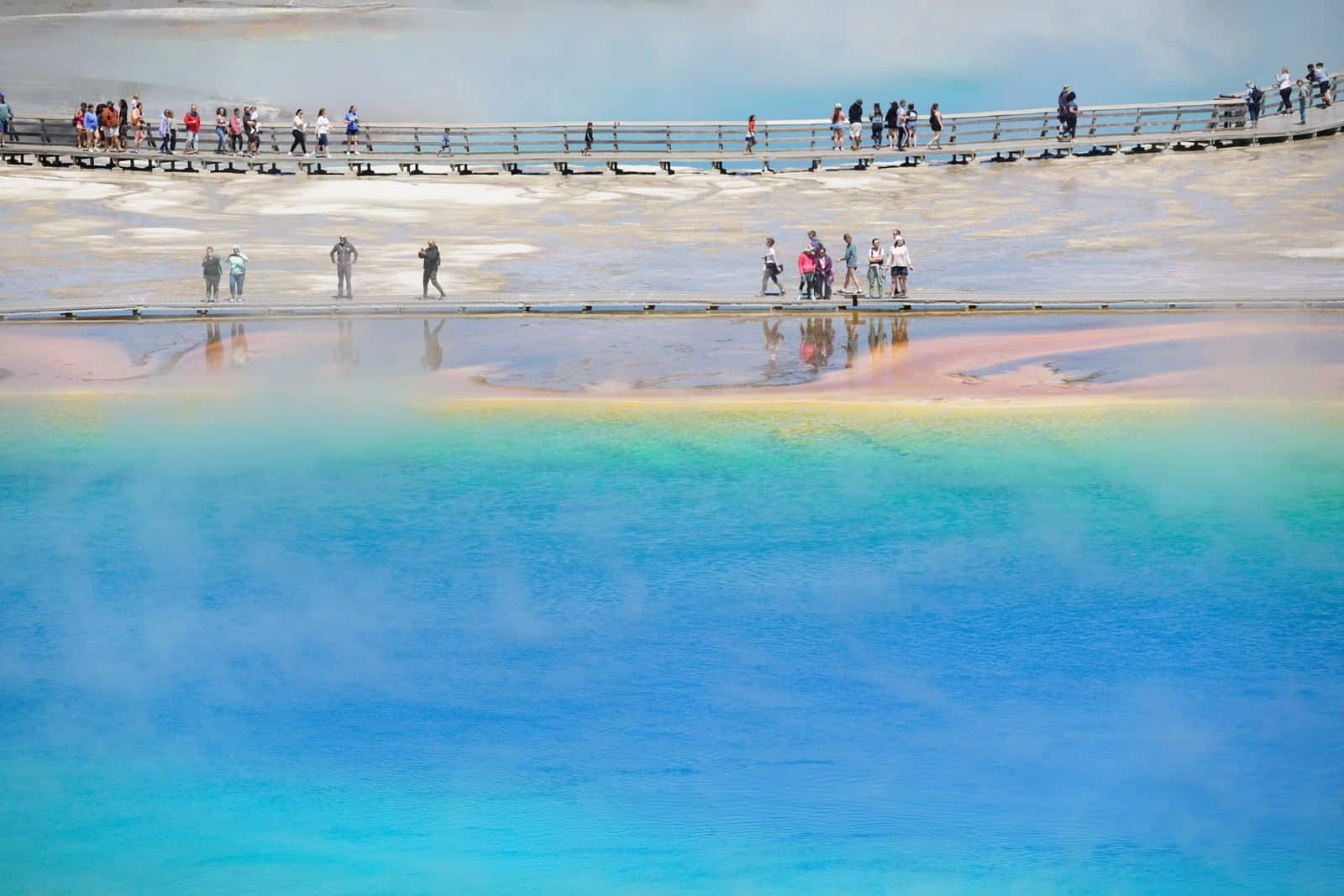
The colorful hot springs and geysers of Yellowstone are stunning, and the ground around them can be dangerously thin. The park prohibits leaving boardwalks or designated trails in hydrothermal areas under 36 CFR 7.13. Throwing anything into a thermal feature is also illegal, and so is swimming in hot springs. Smoking is banned in geyser basins as well. These rules protect delicate thermal features and keep visitors away from ground that may look solid but sits beside extremely hot water.
5. Get Too Close to Wild Animals
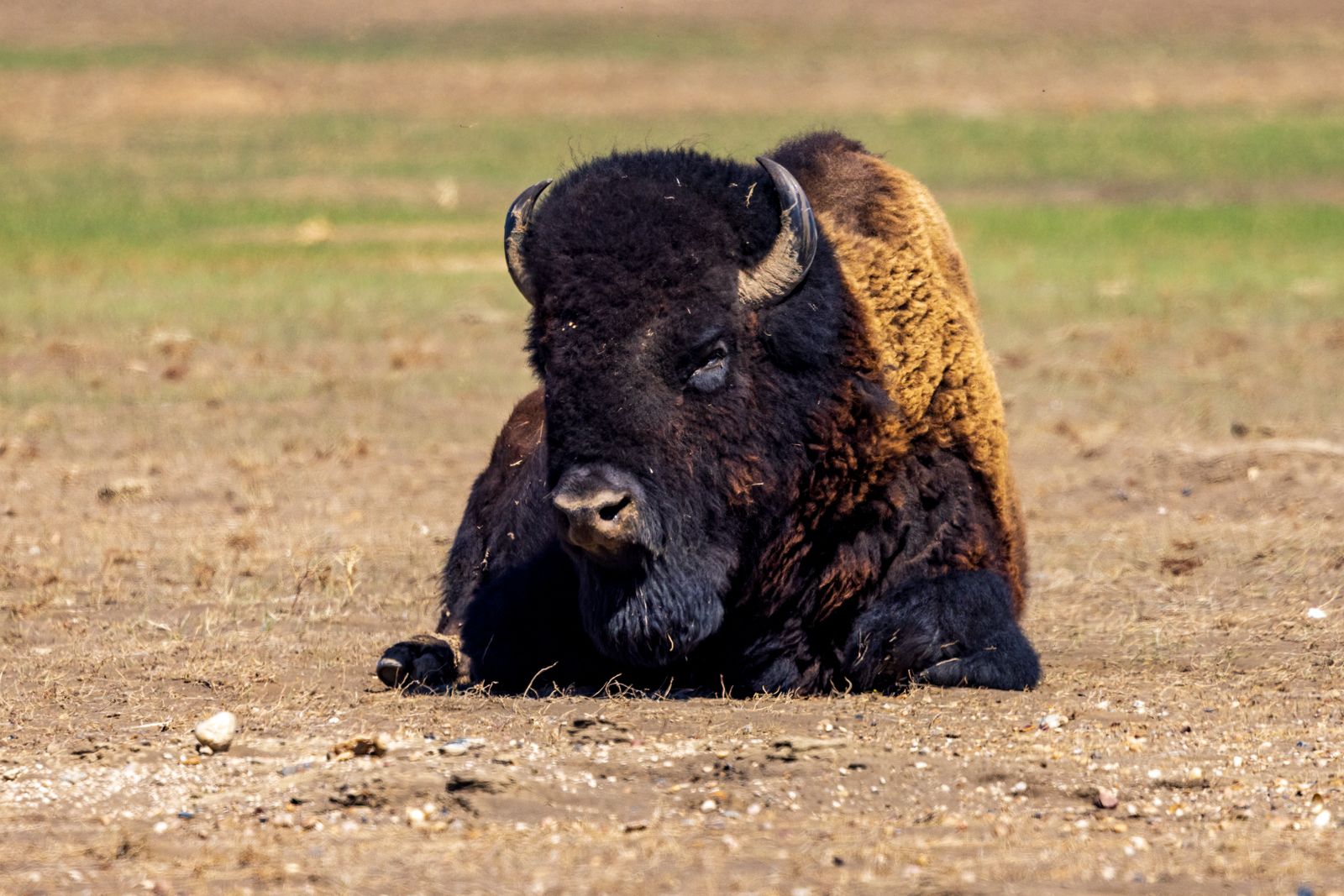
Elk, bison and bears draw huge crowds, but approaching them is against the rules. Great Smoky Mountains National Park prohibits approaching any wildlife within 50 yards, or at any distance that disturbs or displaces the animal. Glacier advises staying at least 25 yards from all animals and 100 yards from bears and wolves. Yellowstone also prohibits using lights to view wildlife and using electronic equipment capable of tracking animals. A zoom lens or a pair of binoculars is the best way to get a great look while keeping both people and animals safe.
6. Let a Dog Roam Free
Pets are welcome in many parks, but only under strict conditions. Acadia requires pets to be on a leash of six feet or less, or otherwise physically restrained, at all times. Glacier allows pets only along roadways, in parking lots and in developed areas such as picnic spots, and they are not permitted on most hiking trails. Great Smoky Mountains bars dogs from all trails except the Gatlinburg Trail and the Oconoluftee River Trail. Yellowstone also prohibits leaving a pet in an unattended vehicle under conditions that endanger its health.
7. Set Off Fireworks
A national park might seem like a dramatic backdrop for a celebration, but fireworks are not allowed. Acadia’s rules state that possessing or using fireworks or firecrackers is prohibited. Acadia also limits charcoal and wood fires to campgrounds and designated picnic areas, and some parks, such as Great Smoky Mountains, ban firewood that has not been heat-treated and certified. Visitors who want a campfire should check each park’s current rules before striking a match, since every park sets its own details.
8. Sweep the Ground With a Metal Detector
Treasure hunting is off the table in national parks. Great Smoky Mountains lists metal detectors and mineral detectors among its prohibited items, and the broader federal ban on removing cultural objects means any historic coin, bottle or arrowhead found in a park must stay there. Glacier asks visitors who come across archaeological or historic artifacts to leave them in place, note the location, take a photo with a common object for scale and tell a ranger. Those discoveries can help researchers piece together the park’s human history.
Know Before Heading Out
These 8 rules cover just a slice of what parks regulate. Each park’s Superintendent’s Compendium lists local restrictions on everything from camping and alcohol to bicycles and seasonal closures, and rangers can answer questions at any visitor center. A few minutes of reading before a trip can prevent an expensive citation.
Families planning time outdoors may enjoy a FODMAP Everyday piece on why family camping is the best way to bond and unplug, and a FODMAP Everyday roundup of U.S. destinations travelers regret visiting offers a few lessons on planning the right trip.
This article was written with the help of AI tools and checked against the sources linked above.




