

Most buyers walk into a home inspection focused on the obvious: the kitchen, the flooring, maybe a stained ceiling tile. Inspectors tend to look at a different list. Their attention goes to the systems and slow-moving problems that rarely show up in listing photos but can cost thousands of dollars after closing.
Scott Johnson, the 2025 president of the American Society of Home Inspectors, told Redfin that beyond safety, “the most serious defects in a home are typically structural.” The 9 items below come up again and again in inspector reports and industry guides, and each one is easy to miss during a quick showing.
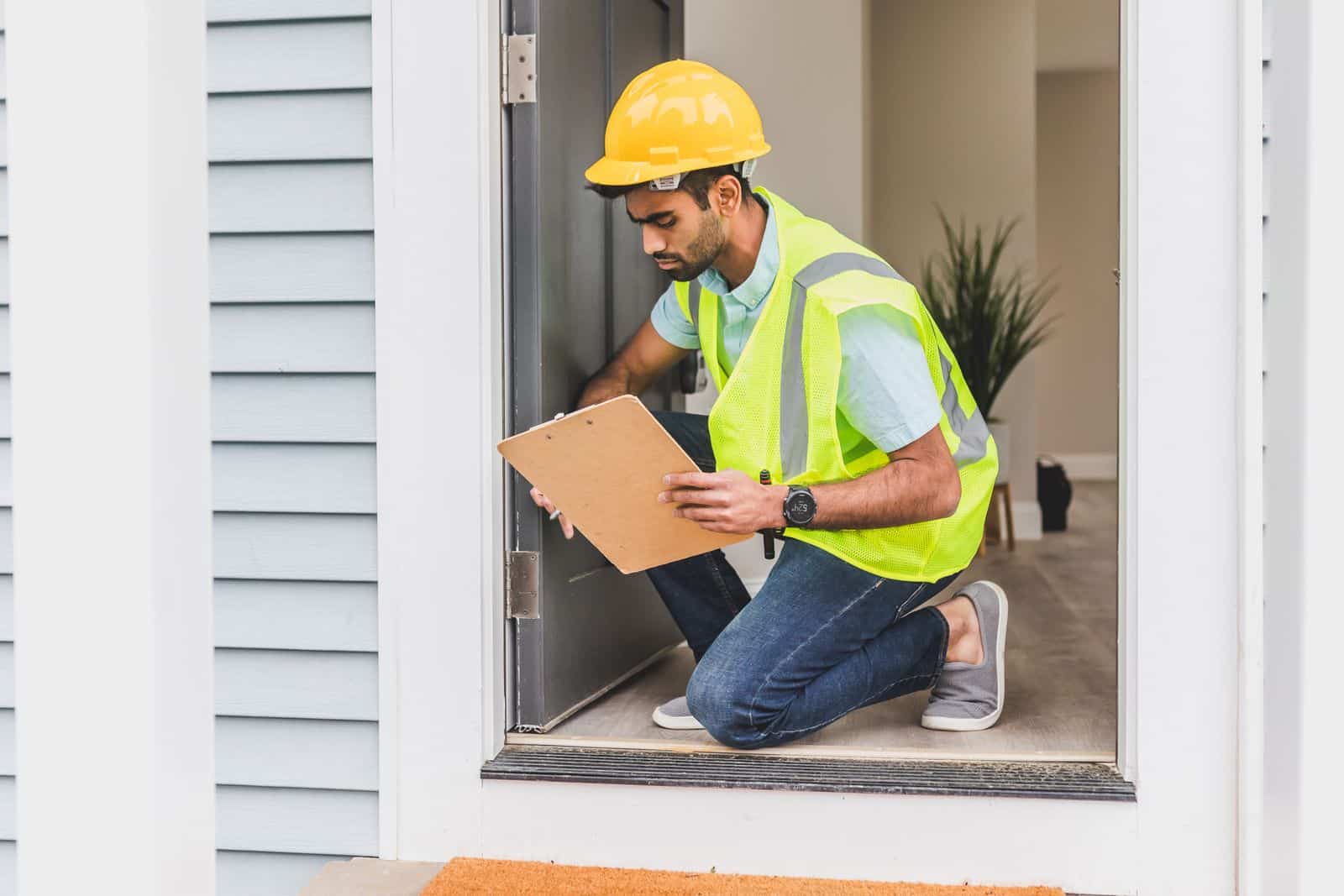
1. The Slope of the Yard
Few buyers look down at the dirt around a foundation, but grading is a standard part of an inspection. According to Angi, improper grading can let water pool near the house, which can lead to a flooded basement, a damp crawl space or a cracked foundation. Angi puts the average cost of correcting drainage problems at $2,000 to $6,000.
Redfin’s inspectors suggest watching for pooling water near the foundation, erosion under downspouts and mildew in the basement. Landscaping choices matter here too, and plans like these xeriscaping ideas that save money at home can change how water moves across a lot.
2. Where the Gutters Actually Drain
Gutters may look fine from the curb while quietly dumping water right next to the foundation. Adam Long, president of HomeTeam Inspection Service, told the National Association of Realtors that gutters discharging near the foundation, or landscaping that steers water toward the house, can cause seepage over time.
The good news is that Long calls these typically easy fixes. Extending downspouts is often enough, and NAR cites gutter installation costs averaging $624 to $1,705. It is one of the most common mistakes covered in guides like 12 Rookie Mistakes To Avoid When Buying a House, simply because so few people walk the perimeter during a showing.
3. The True Age of the Roof
A roof can look solid from the street and still be near the end of its life. Redfin recommends that buyers ask for records showing the roof’s age and past repairs, and check whether a roof certification or a transferable warranty is available. Warning signs include missing or cracked shingles, sagging and heavy granule loss in the gutters.
The stakes are high. Redfin lists typical roof costs of $5,868 to $13,216, and Angi notes that lenders may require roof issues to be fixed before a sale closes. Older roofs can also affect how well a home holds heat, which ties into broader energy efficient home improvements.
4. The Brand of the Electrical Panel
Buyers rarely open the breaker box, but inspectors always do. Panels made by Federal Pacific Electric or Zinsco, installed from the 1950s to the 1980s, have been linked to fire hazards, according to NAR, and some insurers will not cover homes that still have them. Replacement averages about $2,400.
Redfin adds that inspectors also flag fuses instead of breakers and service under 100 amps for most modern homes. A smaller issue Long sees often is two circuit wires sharing a single breaker, which he calls “a simple fix.”
5. Aluminum Wiring in 1960s and 1970s Homes
Homes built from about 1965 to 1973 may contain aluminum branch wiring, which NAR says deteriorates faster than copper and can overheat. “It doesn’t mean a home will catch on fire, but it increases the odds,” Long said. Many insurers will not cover homes with it.
Redfin suggests looking for wires labeled “AL” or “ALUM” and outlets that feel warm. Rewiring is expensive, with NAR citing an average of $16,000, so this is a detail worth confirming before an offer becomes final.
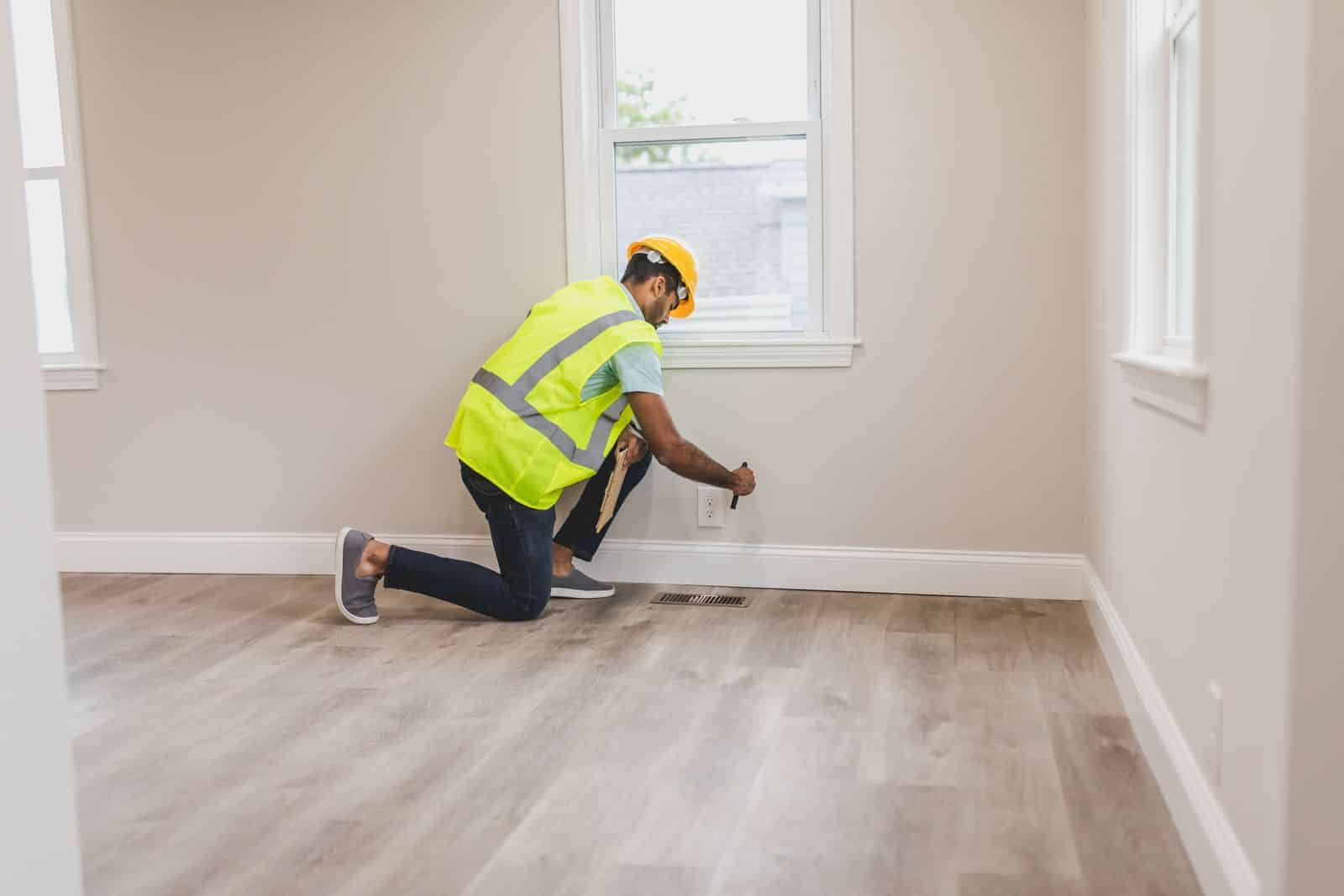
6. The Type of Supply Pipes
Low water pressure and slow drains get noticed. The pipe material behind them usually does not. NAR reports that polybutylene supply pipes, used from 1978 to 1994, leak more often, while cast iron and galvanized pipes are prone to corrosion. Replacing supply pipes can cost anywhere from $1,500 to $15,000.
Long warns that even minor leaks can worsen and lead to mold. Redfin advises watching for water spots on ceilings, which can be an early sign of a hidden plumbing problem.
7. The Sewer Line Under the Yard
A standard inspection checks the drains that can be reached inside the house, but not the main line running out to the street. The inspection firm Inspect and Test, in its guide to what home inspectors miss, recommends a camera scope from the cleanout to the city main, especially for homes more than 30 years old.
The same guide cites industry estimates of roughly $150 to $300 for a sewer scope, a small expense compared with digging up a collapsed or root-filled line after moving in.
8. Small Safety Items
Loose handrails, missing carbon monoxide detectors and outlets without ground fault protection near water are easy to overlook because they seem minor. Redfin lists all three among common inspection findings, and NAR notes that many older homes lack carbon monoxide detectors or enough smoke alarms to meet current codes.
These fixes are usually inexpensive, with Redfin putting typical costs at $100 to $500. Inspectors still list them because they affect daily safety from the first night in the house.
9. Permits for Past Renovations
A finished basement or a new addition can be a big selling point, but inspectors usually do not check whether that work was permitted. Inspect and Test advises buyers to request a municipal permit history for additions or finished spaces, and to order an updated property survey for any boundary or easement questions.
The same guide notes that general inspections also leave out items such as septic systems, chimney interiors, pools and radon, which call for separate specialists. Some buyers find that ambitious DIY projects by previous owners are the source of hidden problems, a theme explored in 10 Home Repairs Men Should Stop Attempting.
Reading the Report With Fresh Eyes
An inspection report can be long, and not every item on it is urgent. Long told NAR that many findings, from drainage tweaks to doubled-up breakers, are simple fixes, while a horizontal foundation crack with a bulge deserves a prompt look from a foundation expert. Tiho Georgiev of NC Property Inspections told Redfin that many structural issues develop gradually rather than posing an immediate safety risk.
Sorting findings into safety issues, big-ticket systems and routine maintenance can make negotiations clearer. Johnson summed up the long-term approach for Redfin: “The top three ways to prevent or reduce risk are simple: maintenance, maintenance, and maintenance.” Buyers who skip that step sometimes end up sharing the feelings described in Why millennials regret buying homes now more than ever.
This article was written with the help of AI tools and checked against the sources linked above.




