

Pop culture tends to picture millionaires behind the wheel of something sleek, loud and brand new. The research on how ordinary Americans actually build wealth tells a quieter story. Many people with seven-figure net worths drive mainstream sedans and pickups, and plenty keep them long after the new-car smell has faded.
The choice is rarely about being cheap for its own sake. It reflects a handful of financial habits that show up again and again among people who accumulate wealth over time. Here are 8 reasons many millionaires still drive older cars.
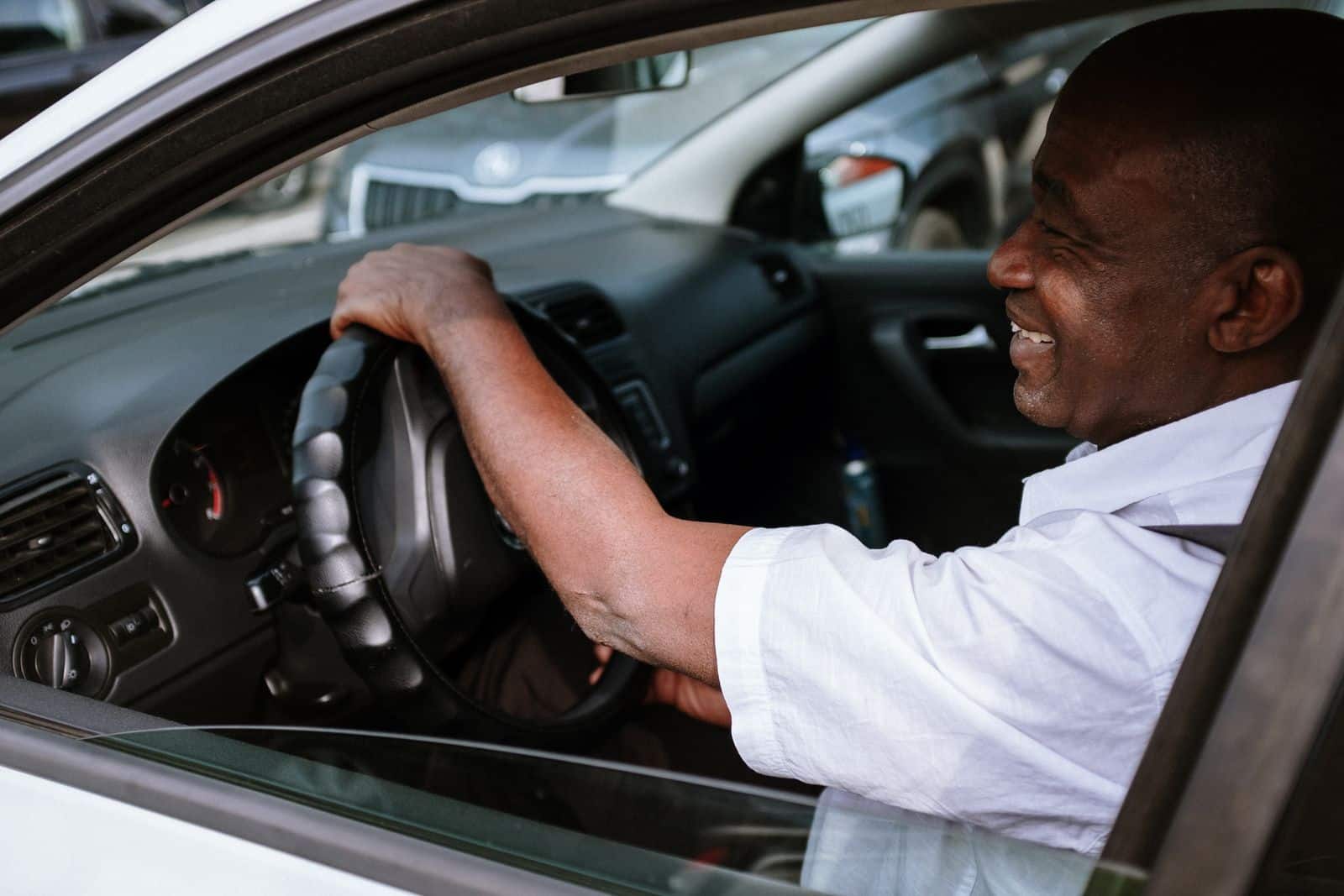
1. The Steepest Loss in Value Happens Early
A new vehicle starts losing value the moment it leaves the lot. Experian, citing Carfax, says a new car loses more than 10% of its value in the first month and roughly 20% in the first year. Kelley Blue Book estimates that new cars often lose about 55% of their purchase price over five years, with the sharpest drop in the first two.
Someone who buys a lightly used car, or simply keeps a paid-off car for many years, lets the first owner absorb the worst of that decline. Wealth builders tend to notice that math. Before shopping, some also look at lists of used family cars with minimal maintenance costs to find models that hold up well over time.
2. A Paid-Off Car Frees Up Real Money Every Month
Car loans have become one of the biggest line items in many household budgets. According to Edmunds, the average new-car monthly payment reached $787 in the third quarter of 2026, and 21.2% of new-car buyers signed up for payments of $1,000 or more. The average new-car loan term stretched to 70.5 months.
A driver who owns an older car outright has none of that payment. Over a few years, the difference can add up to tens of thousands of dollars that can go into retirement accounts, a business or a brokerage account instead. Warren Buffett has long been associated with this kind of thinking, and his views appear in this list of things Warren Buffett says poor people waste money on.
3. They See a Car as a Tool, Not a Status Symbol
In The Millionaire Next Door, researchers Thomas J. Stanley and William D. Danko found that many self-made wealthy households prioritized financial independence over looking successful. As Motor1 summarizes the book’s findings, these households were far more likely to put extra income into businesses, investments and retirement accounts than into luxury purchases. Practical vehicles such as a Toyota Camry or a Ford pickup came to symbolize that mindset.
When a car’s job is simply to get a person from one place to another safely, the extra cost of a flashy badge or a long list of gadgets becomes harder to justify. Many of those features are not even popular, as this rundown of useless or annoying modern car features shows.
4. Plenty of Wealthy Drivers Choose Mainstream Brands
Ramsey Solutions, citing Experian Automotive data published by Forbes, reports that 61% of people in households earning $250,000 or more drive Hondas, Toyotas or Fords. Only 39% of those high earners choose a luxury model, even though most could easily afford one.
The original millionaire research points the same way. As A Wealth of Common Sense notes, 37% of the millionaires surveyed for The Millionaire Next Door bought their cars used, 54% drove a car at least two years old, and more than a quarter drove one at least four years old.
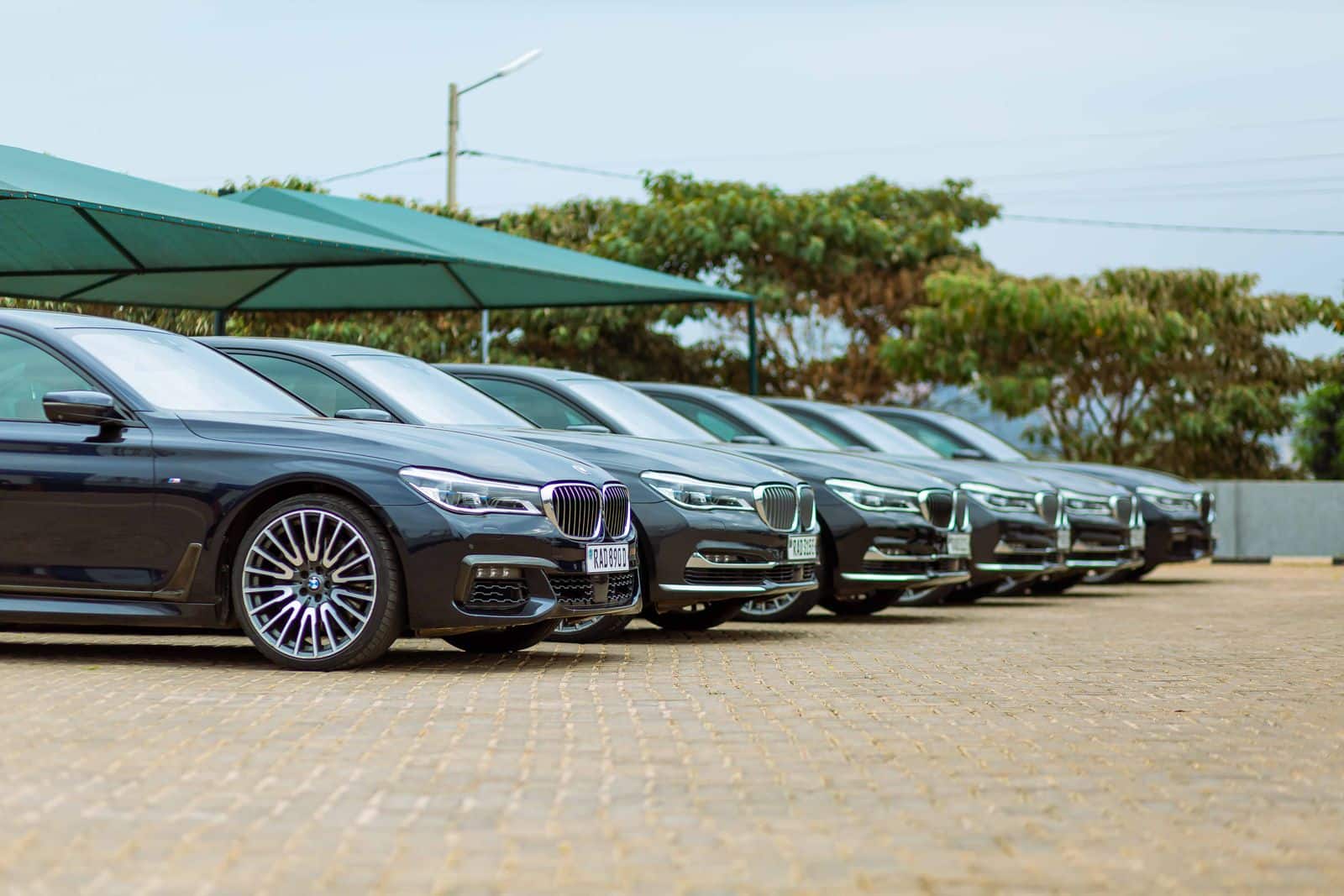
5. Reliable Models Cost Less to Keep on the Road
An older car only saves money if it keeps running without constant repairs. That is one reason dependable brands show up so often in millionaire driveways. Kelley Blue Book notes that Toyota and Lexus have the lowest projected five-year cost to own, and it recommends regular maintenance and good service records as ways to limit depreciation. A well-kept, reliable car can stay useful for many years after the loan is gone.
6. Cosmetic Flaws Do Not Bother Them
Buffett, one of the richest people in the world, has driven a 2014 Cadillac XTS. According to Benzinga, his daughter Susie bought the car for him to replace his earlier 2006 Cadillac DTS, and the XTS had hail damage. Buffett accepted it because cars with cosmetic damage sell for less and work just fine once they are repaired.
That attitude is common among frugal wealthy people. A dent, a faded bumper or an older body style matters much less to them than what the car costs to own.
7. Spending More Would Not Make Them Happier
Benzinga also reports that Buffett has said he already has everything in life he wants. The outlet adds that he sees extra spending as adding little to his quality of life beyond a certain level of comfort, and that he views shopping for a new car as a time-consuming chore he would rather skip.
For many people who have reached financial security, that sense of enough is the point. A new car would not change their day, so they see no reason to replace one that still works.
8. They Keep Transportation in Proportion to Income
Personal finance writer Ben Carlson, writing at A Wealth of Common Sense, notes that in one study total car costs worked out to about 10% of the income needed to afford a new car, or closer to 15% once taxes are included. He also calculated that switching from a new $37,000 car to a used $20,000 one could save more than $3,000 a year in payments alone. People who build wealth tend to treat transportation as a cost to control rather than a reward to chase.
None of these 8 reasons means an older car will make anyone rich. As Motor1 points out, the car is more a reflection of good money habits than a cause of wealth. Still, the pattern is hard to miss. For more on where money quietly slips away, see why broke people overspend on these daily expenses and the expenses boomers consider a waste of money.
This article was written with the help of AI tools and checked against the sources linked above.




