
Being able to afford something brand new and choosing to buy it new are two very different things. Many people who have built real wealth draw that line carefully. They spend freely on what matters to them and buy secondhand wherever the used version works just as well and costs far less.
Cars are the classic example, but the habit reaches much further into the house. Here are 8 things frugal millionaires still buy used, and the reasoning behind each one.
1. Homes in Established Neighborhoods
The late researcher Thomas J. Stanley spent decades studying how self-made millionaires live. A Consumerist summary of his findings notes that many of the millionaires he studied bought older homes in established neighborhoods rather than custom builds or brand-new developments. An existing home in a proven area often comes with mature trees, finished infrastructure and a track record of holding value, without the premium a builder charges for something new.
Buying an older house does take some care, and first-time buyers in particular can trip up. Lists of rookie mistakes to avoid when buying a house cover many of the common traps.
2. Solid-Wood Furniture and Antiques
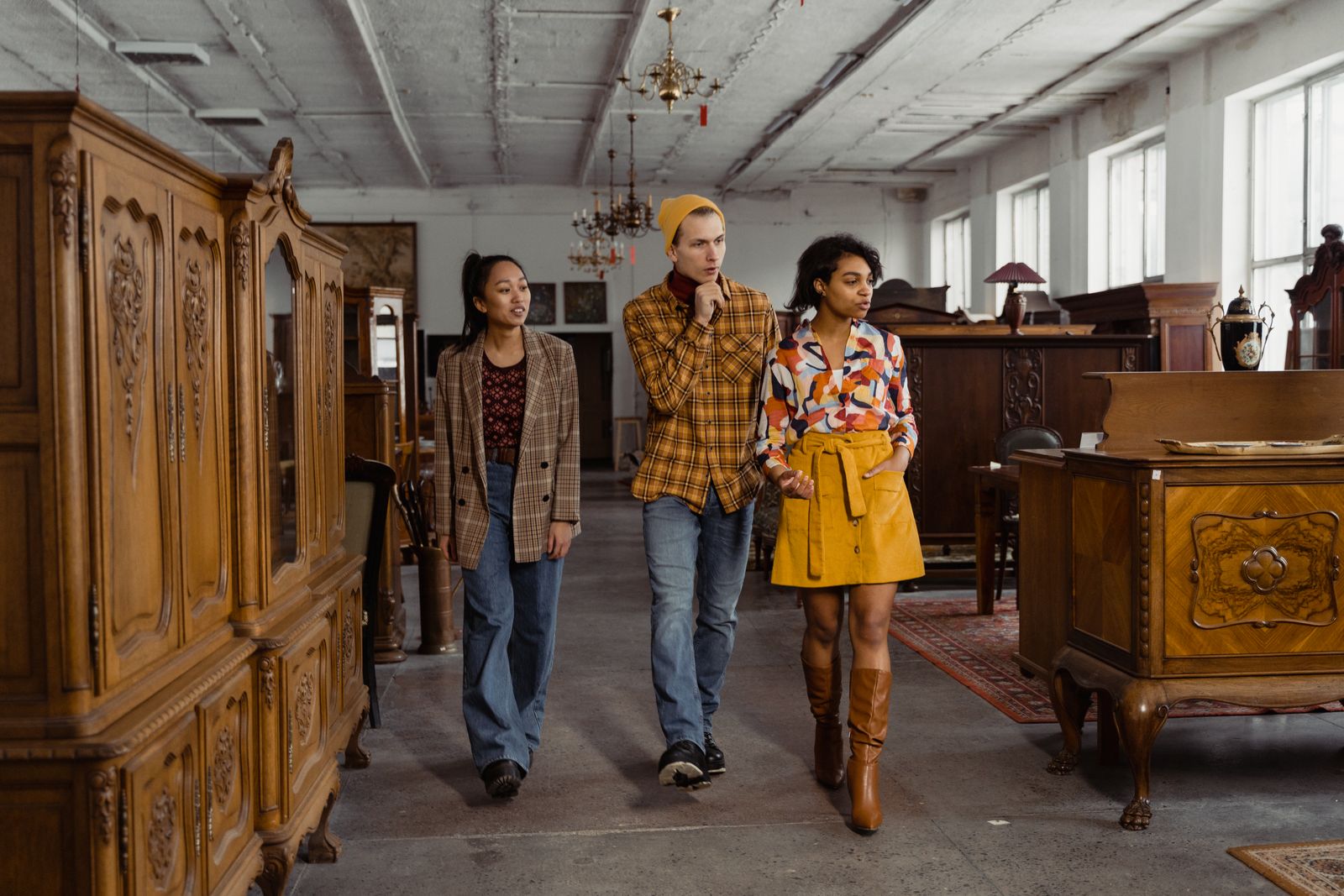
The same Consumerist piece describes Stanley’s millionaires buying antique furniture made of real wood, then repairing, refinishing or reupholstering pieces instead of replacing them. Well-built older furniture can last for generations, while many flat-pack pieces do not survive a move or two.
There is a practical case, too. According to U.S. Environmental Protection Agency data, Americans generated more than 12 million tons of furniture and furnishings waste in 2018, and about 9.7 million tons of it went to landfills. Buying used keeps sturdy pieces in service. For shoppers starting out, this guide to home decor essentials to buy at the thrift store is a useful companion, along with this rundown of garage sale items that sell like crazy.
3. Designer Clothing and Handbags
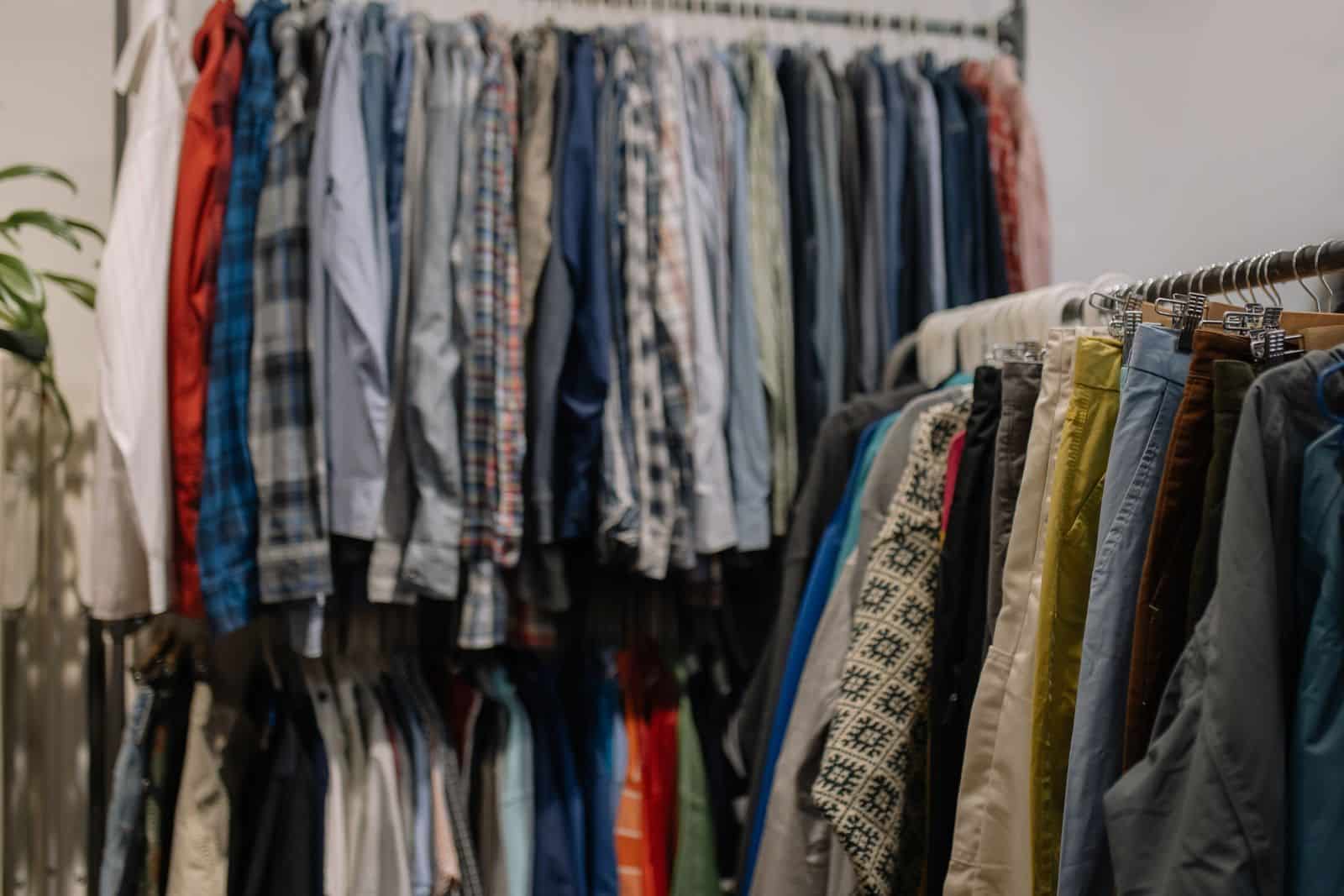
Secondhand fashion is no longer just a budget move. Fortune reported in April 2026 that, according to the Bank of America Institute, secondhand luxury fashion spending jumped fivefold between the fourth quarter of 2025 and the first quarter of 2026. A Bank of America Institute economist told the outlet that clothing growth was concentrated at the high and low ends of the market. Resale platforms such as The RealReal sell used bags, jewelry and clothing from Chanel, Gucci, Louis Vuitton and Prada.
The broader market is growing fast as well. ThredUp’s 2026 Resale Report projects the U.S. secondhand apparel market will reach $78.8 billion by 2030, and says U.S. resale grew almost four times as quickly as broader clothing retail in 2025.
4. Luxury Watches
A fine watch is built to last a lifetime, which is exactly why the secondhand market for them is so large. A personal finance roundup republished on inkl notes that reputable resellers authenticate pre-owned pieces, so buyers get the craftsmanship without paying the new-retail premium. For a frugal buyer, the first owner covers the markup.
5. Certified Refurbished Electronics
Laptops, tablets and phones lose value quickly, but refurbished versions from the manufacturer can be a smart compromise. Apple, for example, says its certified refurbished products come with a one-year warranty and full functional testing. The same inkl roundup points out that professionally tested devices can save hundreds of dollars compared with buying new. Careful shoppers still compare prices, since refurbished discounts vary by model.
6. High-End Tools
Quality hand and power tools can work for decades. That makes estate sales, auctions and secondhand listings a favorite hunting ground for wealthy do-it-yourselfers, according to the inkl roundup. A well-maintained professional-grade tool bought used often outperforms a cheap new one and keeps much of its value if it is ever resold.
7. Gym Equipment
Home exercise machines are famous for turning into clothes racks. Gently used treadmills, bikes and weight sets, sometimes commercial-grade units sold off by gyms, offer professional quality at a fraction of the price, the inkl roundup notes. Frugal buyers let someone else pay full price for a short burst of motivation and then buy the barely used machine afterward.
8. Boats and Other Big Toys
Boats, like cars, lose much of their value in the first years of ownership, and the inkl roundup points out that buying pre-owned lets the first owner absorb that steep early drop. The same logic applies to other recreational purchases that get heavy use for a season and then sit. A frugal millionaire who wants a boat is far more likely to buy a well-kept used one than to sign for a new model at the dealer.
These 8 purchases share a theme: durable goods with a steep early loss in value and a long useful life. Buying them used is less about pinching pennies than about refusing to pay for the newness itself. For more on where money quietly leaks away, see these slow-burning costs that quietly drain retirees’ savings and a look at ways the wealthy thrived while America struggled.
This article was written with the help of AI tools and checked against the sources linked above.




